Description
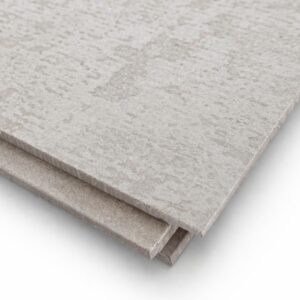
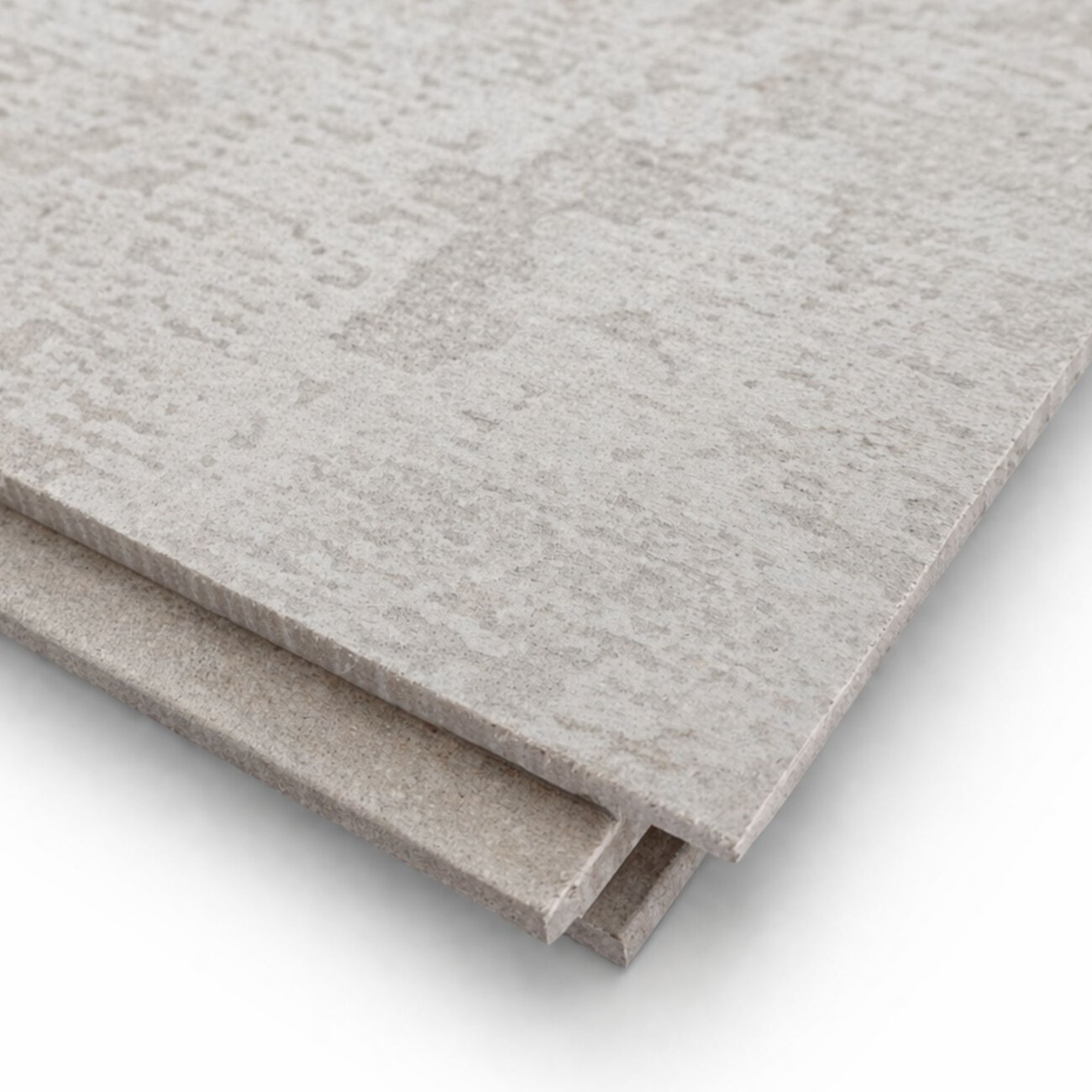
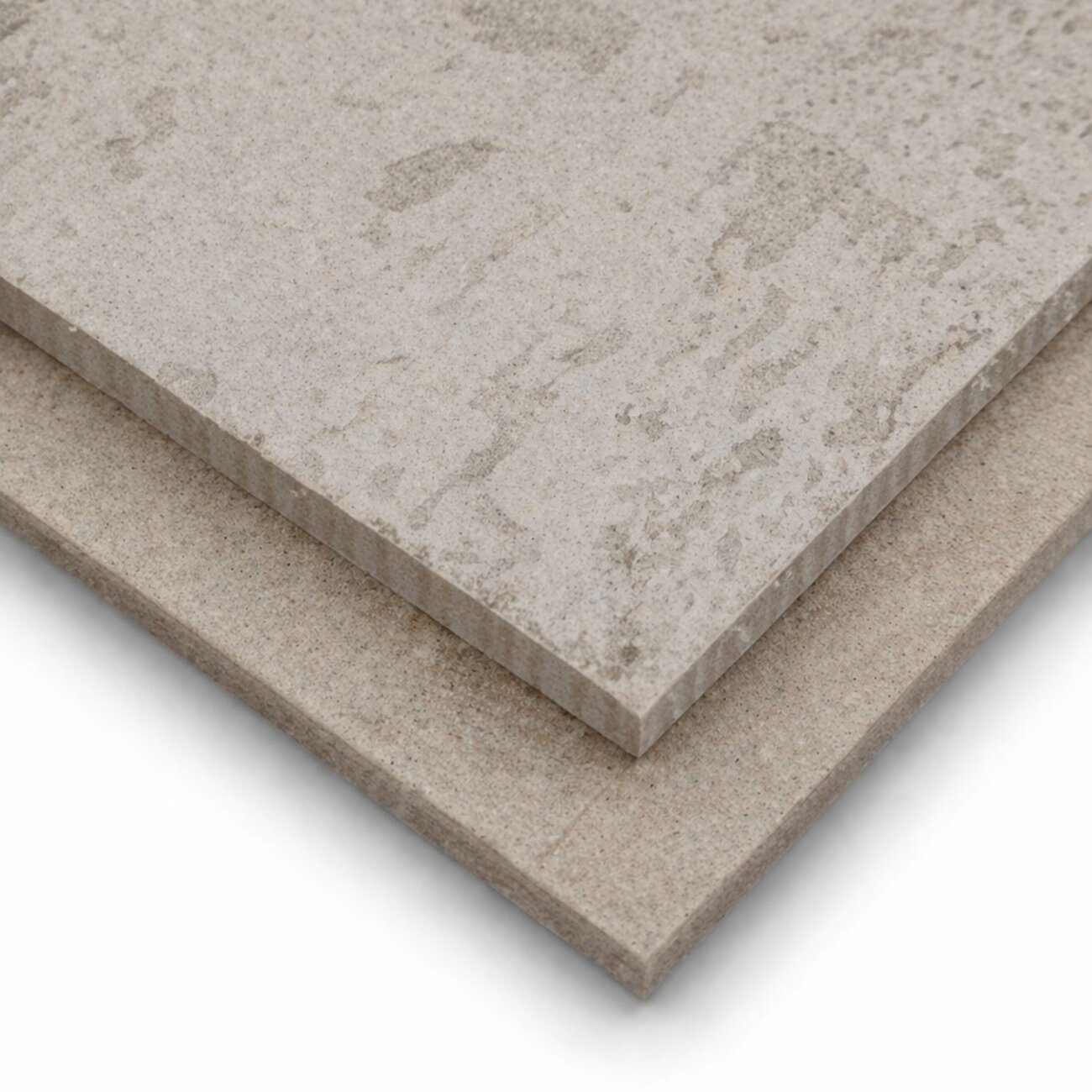
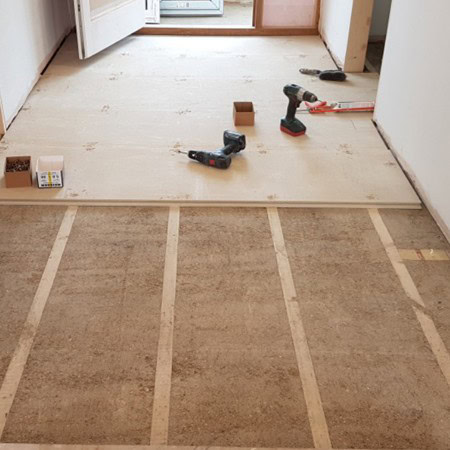
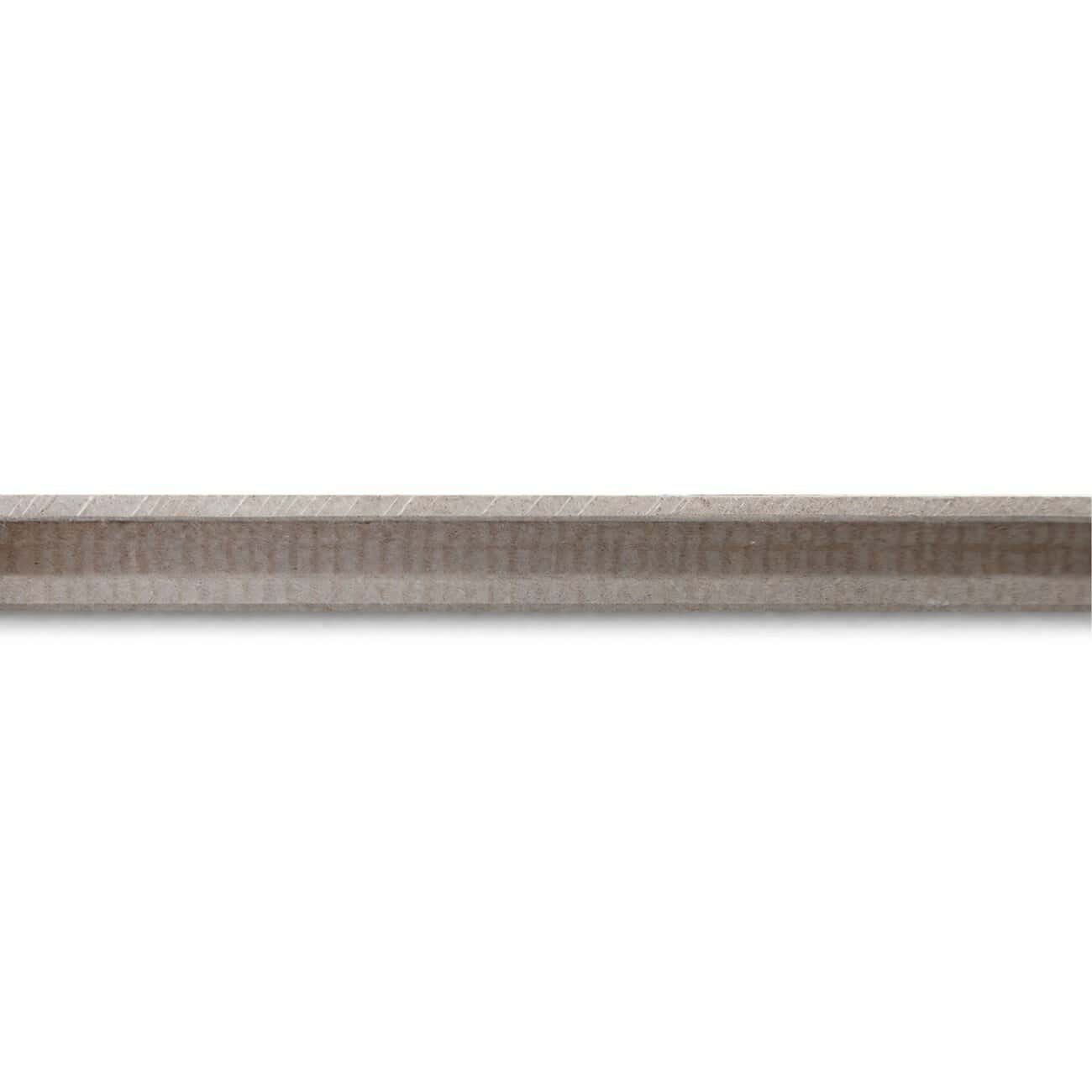
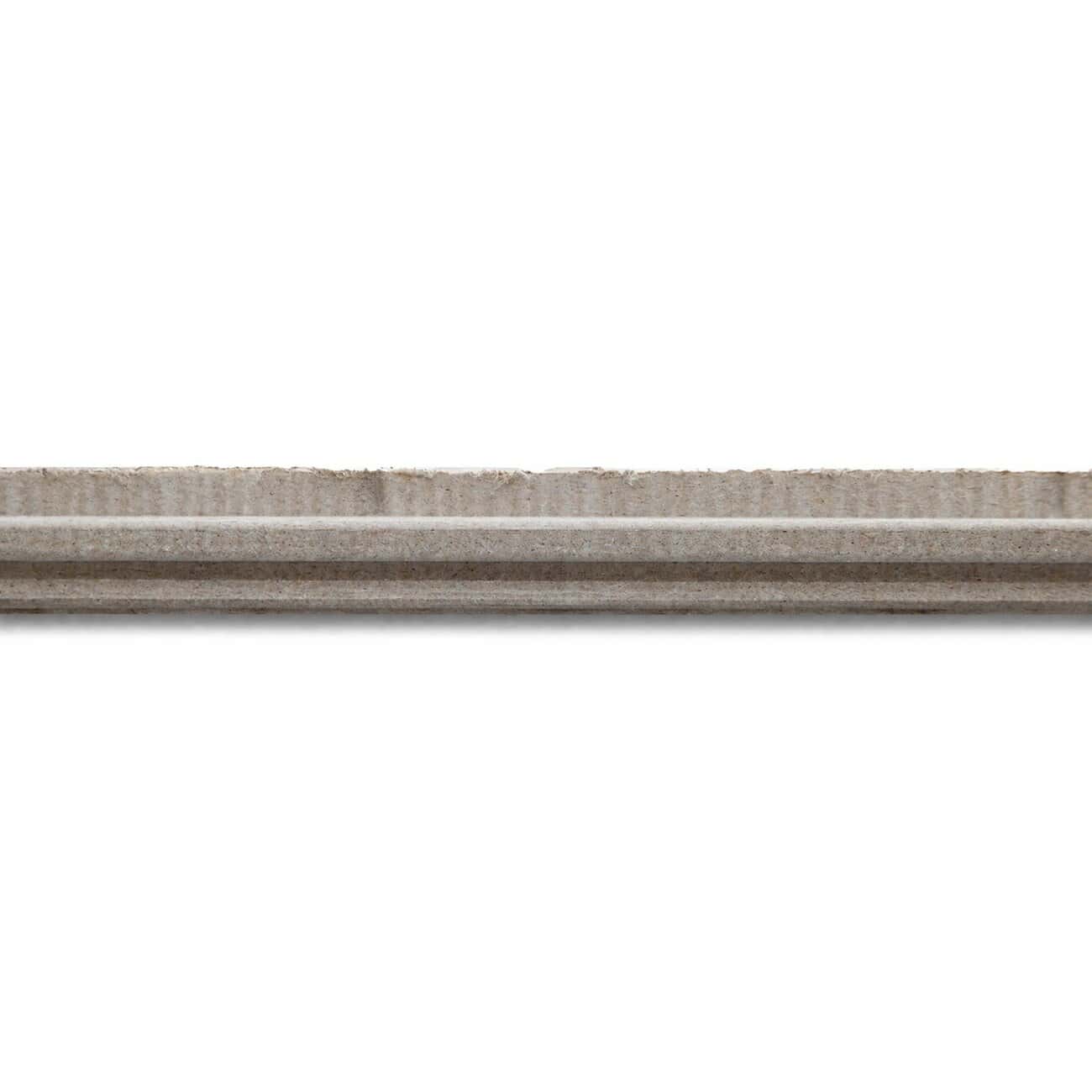
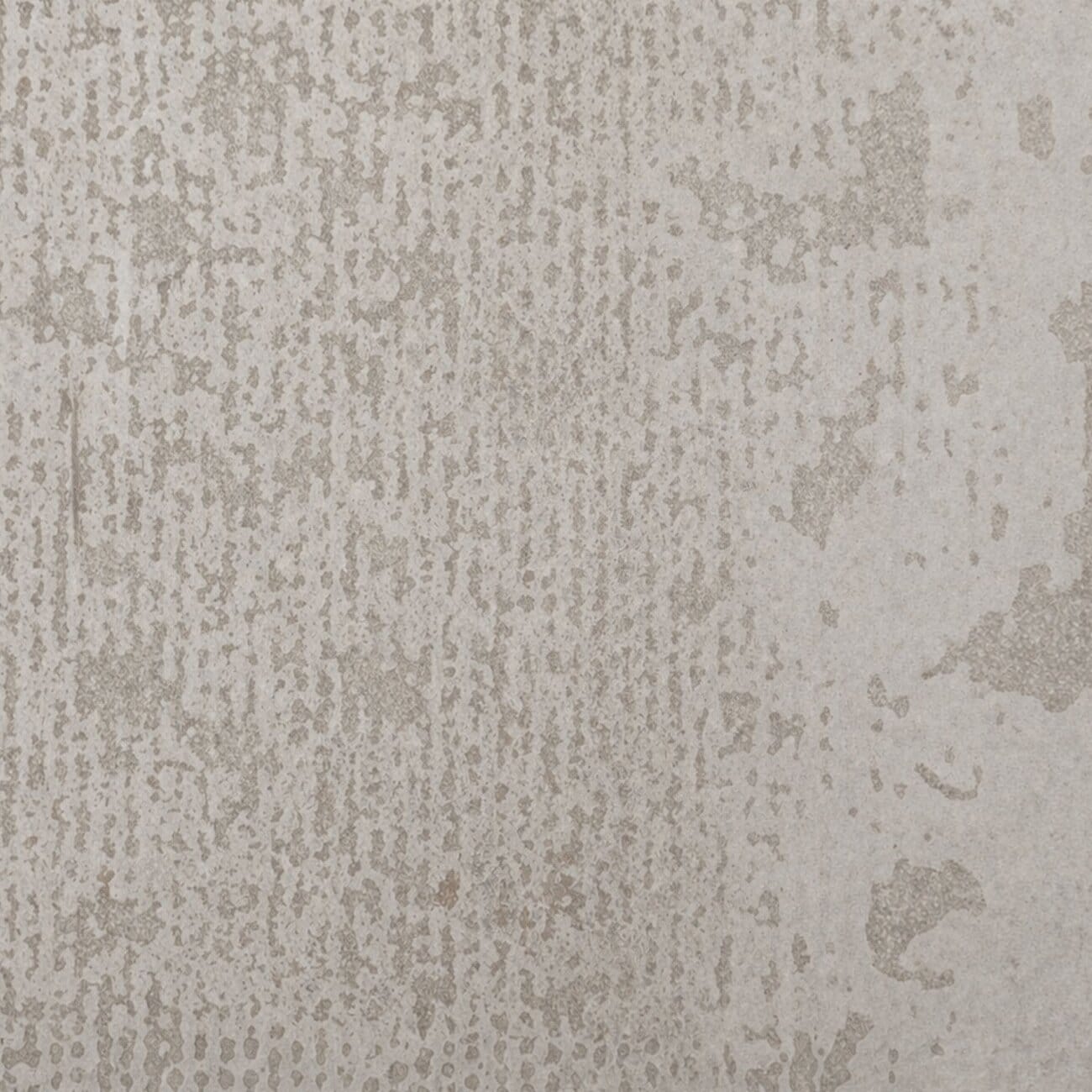
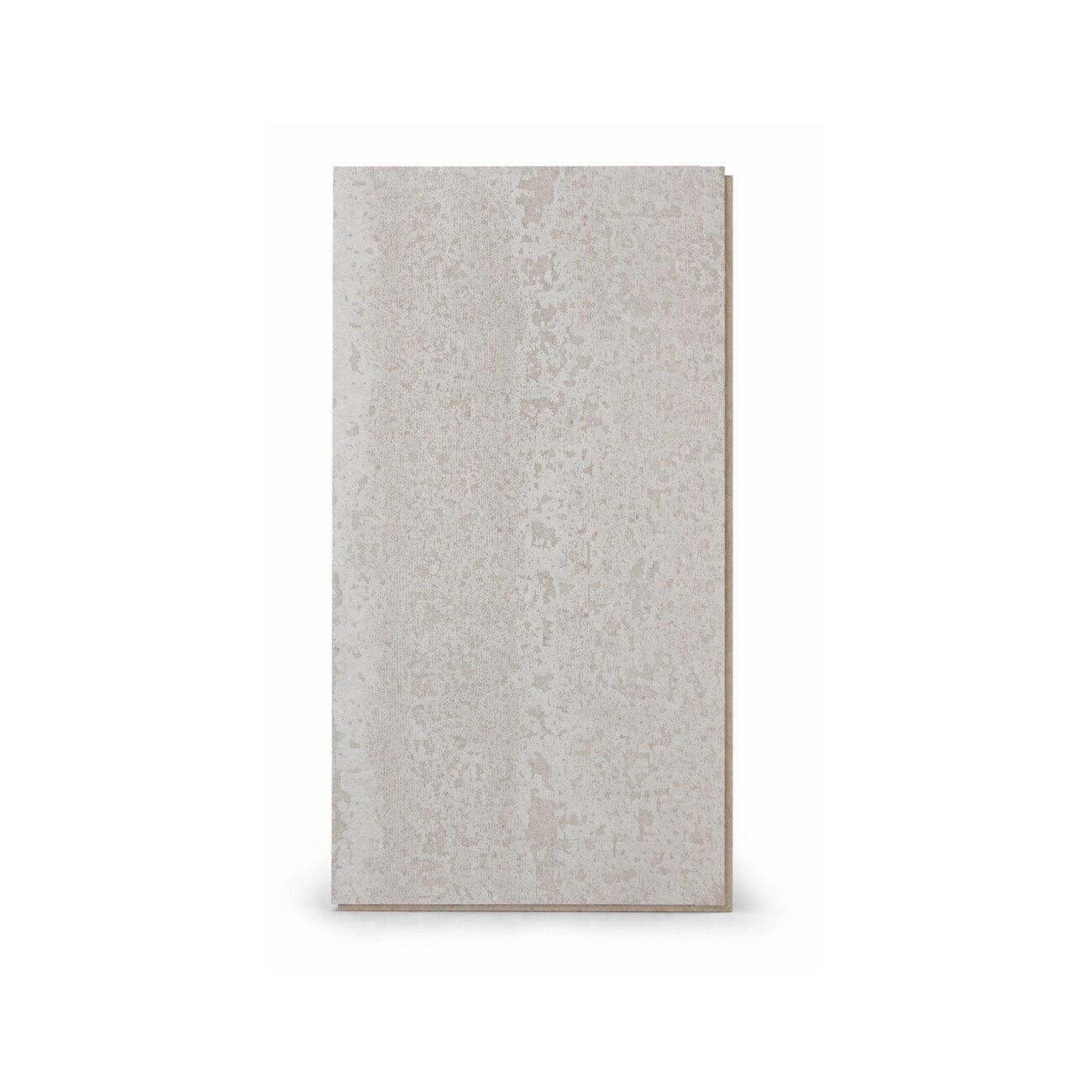
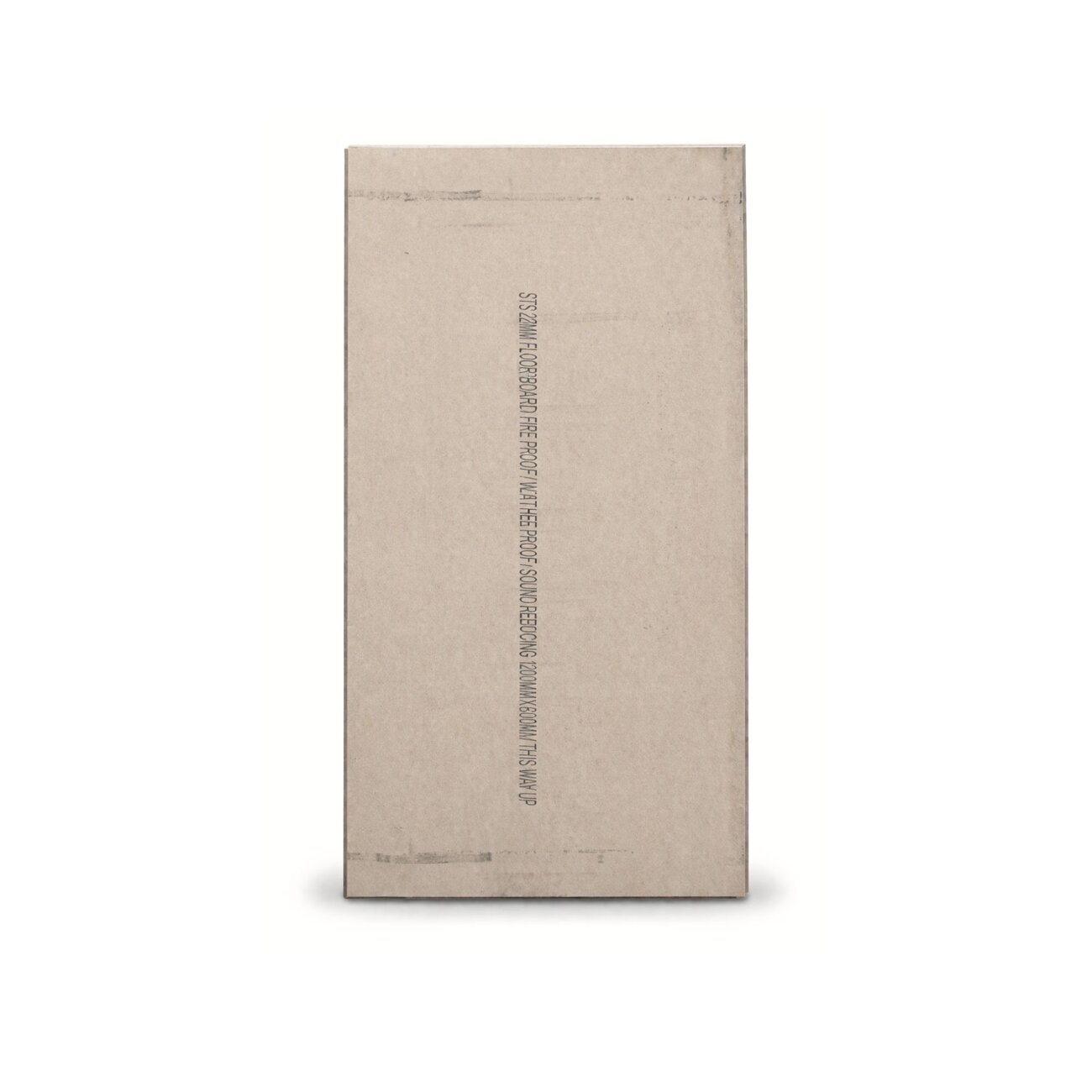
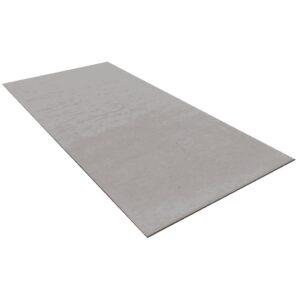
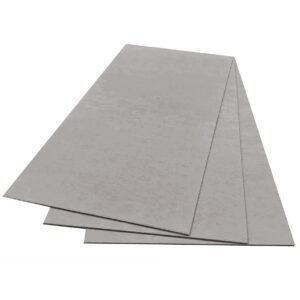
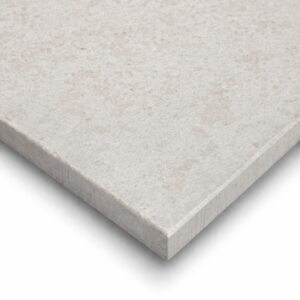
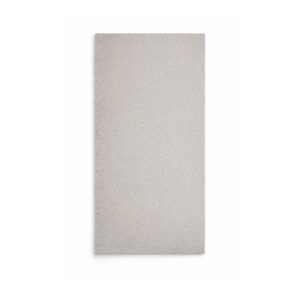
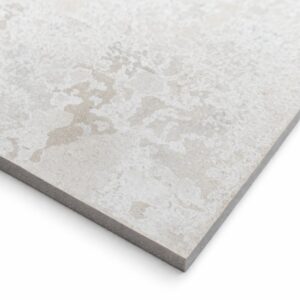
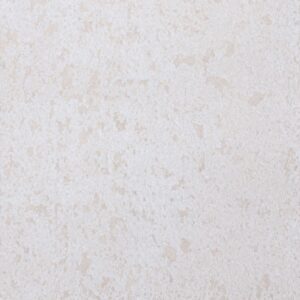
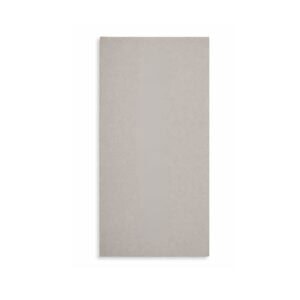
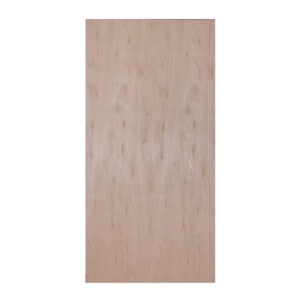
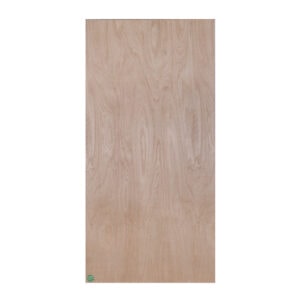
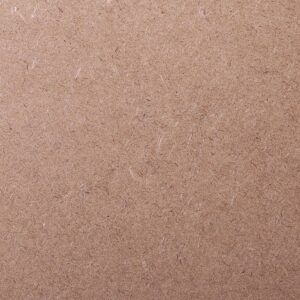
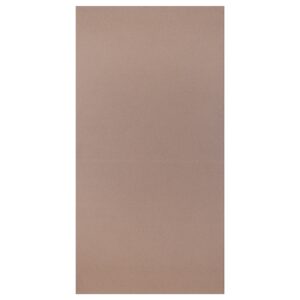
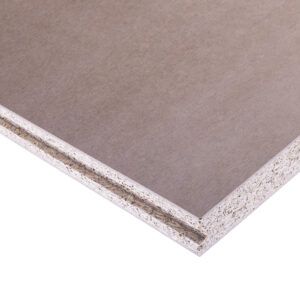
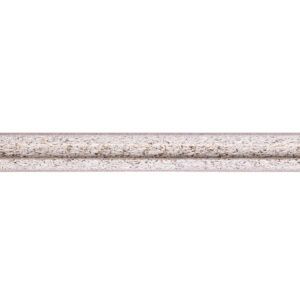
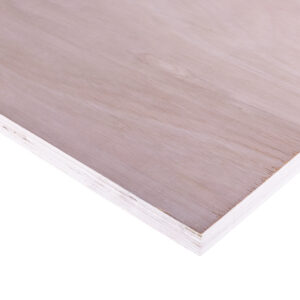
The 22mm NoMorePly Fibre Cement Tile Backer TG4 Floorboard 1200 x 600mm (4′ x 2′) is a primed, load-bearing flooring board from NoMorePly, a UK brand by STS Ltd. It is made from Portland cement, cellulose fibres, sand, water and minor aggregates, then compacted into a dense, high-strength sheet that fixes directly to timber or steel joists with no additional layers before tiling. This is the thickest board in the NoMorePly TG4 floorboard range, and the difference matters on site: at 22mm it spans wider joist centres than the 18mm board, so on many floors it goes down with fewer joists to work around. The board is tongue and grooved on all four sides, so panels slot together and lock mechanically, and because joints don’t have to land on a joist there’s less cutting and less waste.
- Why fibre cement instead of chipboard or ply
A traditional tiled floor over timber means building up layers: structural deck, then a backer or decoupling layer, then tile. TG4 collapses that into one board. Fibre cement doesn’t rot, swell, warp or delaminate when it meets moisture, unlike chipboard, plywood or other timber-based decks that eventually fail in wet areas. It also holds its shape over time, which is where the “no squeak guaranteed” claim comes from, the board won’t move and creak against fixings the way timber decking can. For a tiled floor that has to last in a bathroom or wetroom, that dimensional stability is the whole point.
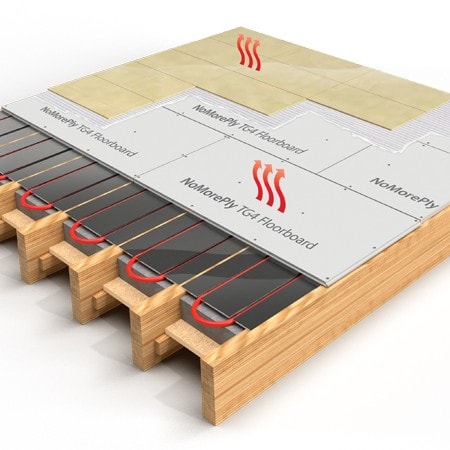
Fibre cement has high thermal conductivity, so it absorbs and releases heat efficiently. In practice that makes the 22mm floorboard well suited to both wet and electric underfloor heating, sending warmth up into the room rather than holding it in the deck, and it’s commonly chosen as a faster, lighter alternative to wet screed.
NoMorePly carries a Euroclass A1 reaction-to-fire classification (A1fl for flooring) tested to EN ISO 1182 and EN ISO 1716, the top non-combustible rating. Fibre cement earns this on composition under the European Commission’s 96/603/EC decision, which lists it as a Class A1 material. This is why the board is specified as a non-combustible flooring barrier in commercial builds and increasingly in flat-roof construction.
The board resists water, moisture, mould and pests, and because of that it can be left exposed on site through wet weather for up to six months during construction before finishing. It’s supplied primed, which improves water impermeability and the bond for tile adhesive; for permanent external exposure or extra protection a waterproof primer such as SBR is recommended. At 22mm the board weighs 24.85kg, has a density above 1200 kg/m³ and a compression strength of 39.2 MPa, so it stands up to the temporary and permanent loads a floor sees. It’s UK made and backed by the NoMorePly Lifetime Guarantee when installed with the NoMorePly fixing system.
Applications
- Tiled floors in bathrooms, wetrooms, steam rooms, kitchens and hallways
- Floors specified with wet or electric underfloor heating
- Levelling and new floors in extensions and open-plan layouts
- Mezzanine floors and modular building construction
- External tiled areas such as balconies (treated for permanent exposure)
- Non-combustible flooring barrier in commercial settings and flat roofs
- Substrate under engineered timber, carpet or linoleum, not only tile
How to fix it
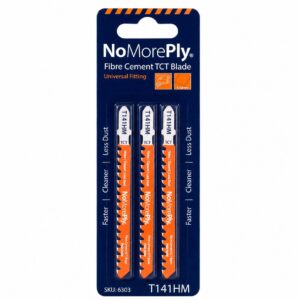
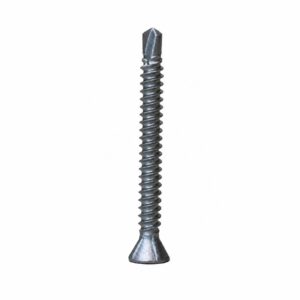
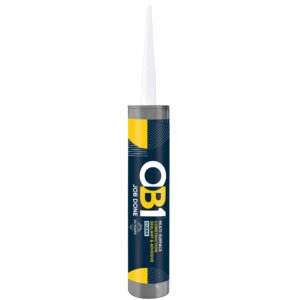
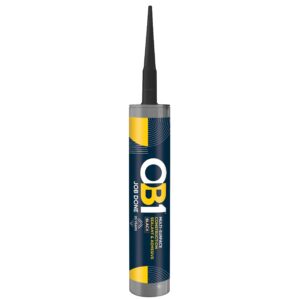
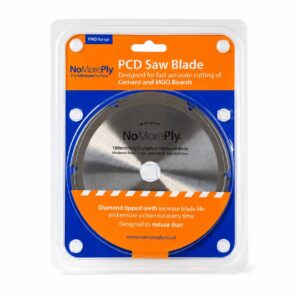
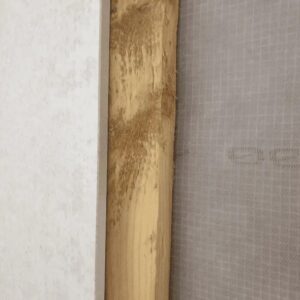
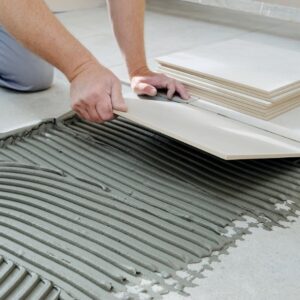
Cut with a PCD saw blade using vacuum extraction, board print facing up. Fix to timber or steel joists at maximum 600mm centres for the 22mm board, using two 50mm NoMorePly Fibre Cement Floor Screws per joist, kept at least 25mm back from the tongue and groove edge. Lay in a brick-bond pattern and run a bead of NoMorePly Slow Set Mega Strength PU adhesive along all T&G edges before inserting the next board. The slow-set foil gives around 30 minutes to position boards before it cures, and you can install finishes immediately afterwards.