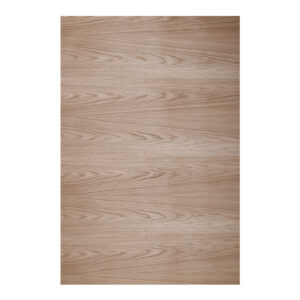
Our specialist stores
Our specialist stores




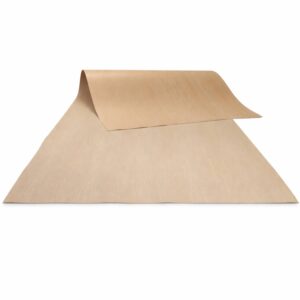
Flexible Veneer Sheets
Good design often comes down to restraint and control. Flexible veneers support both without slowing the process. They follow shapes, wrap smoothly and help finish looking calm rather than forced. Where precision matters most, they offer a reliable starting point.
What are flexible veneer sheets?
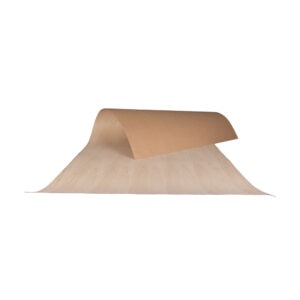
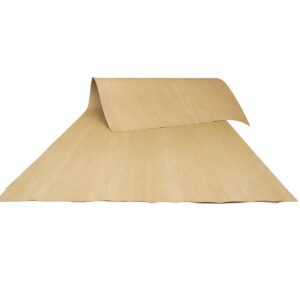
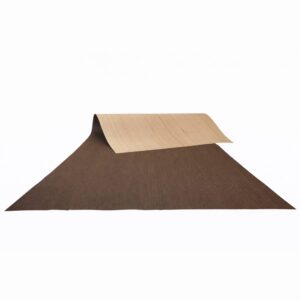
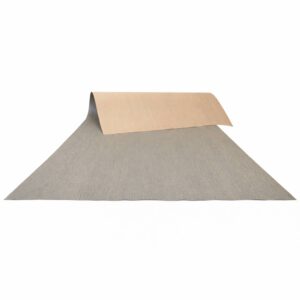
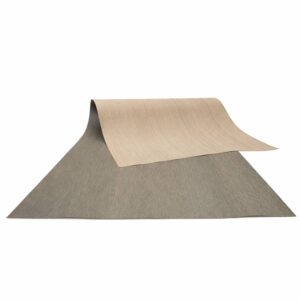
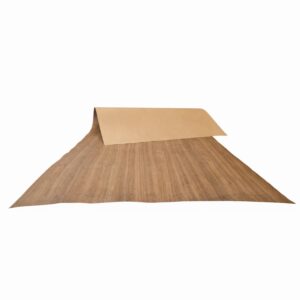
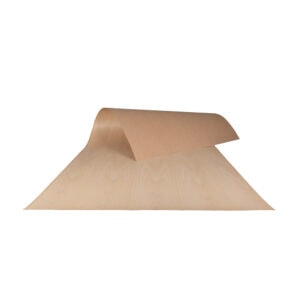
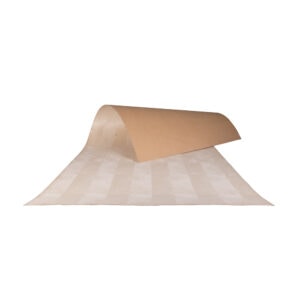
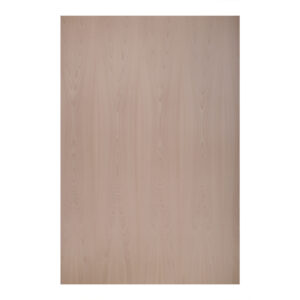
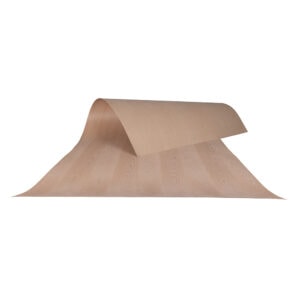
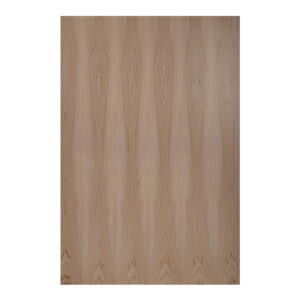
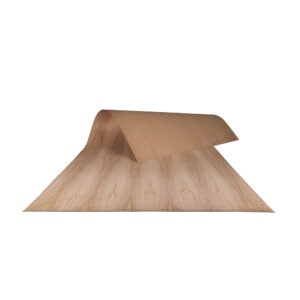
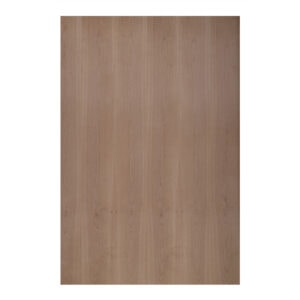
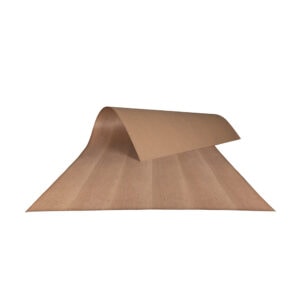
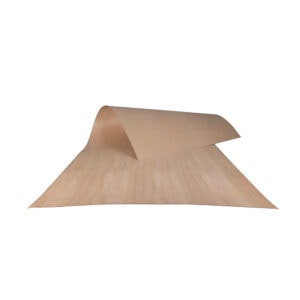
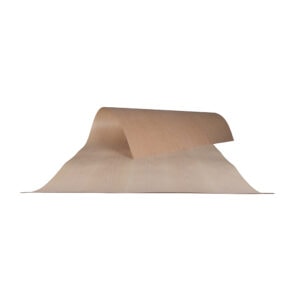
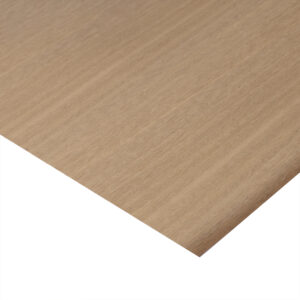
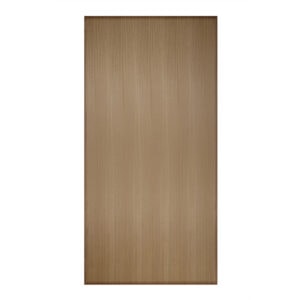
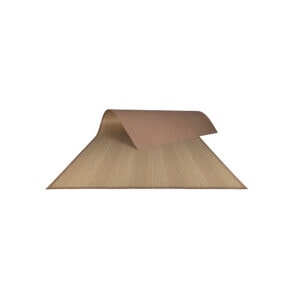
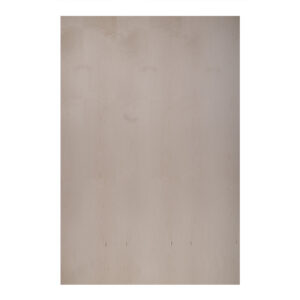
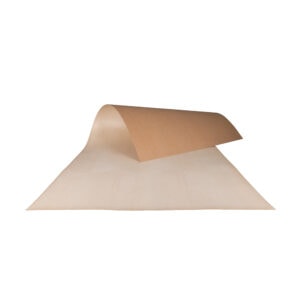
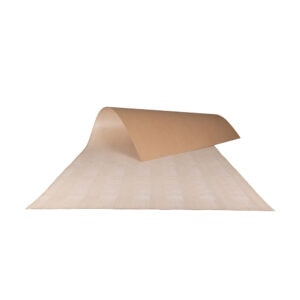
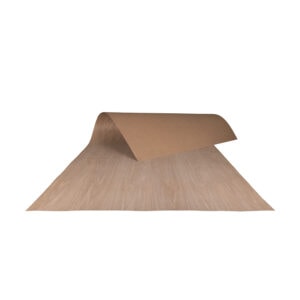
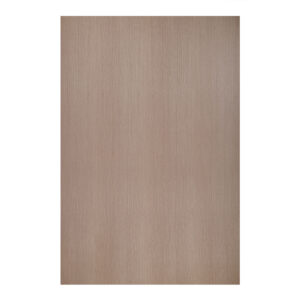
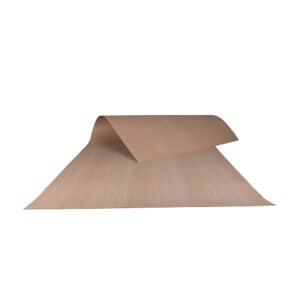
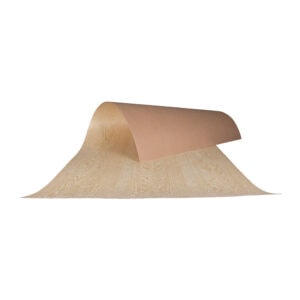
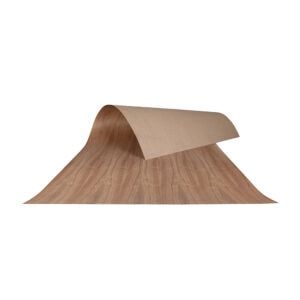
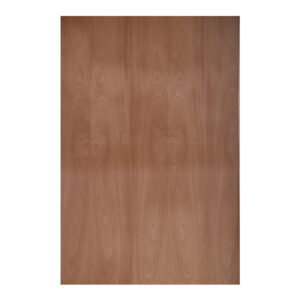
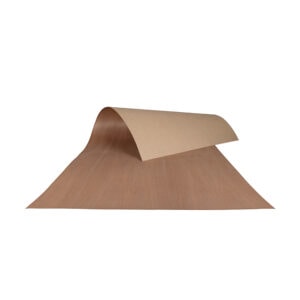
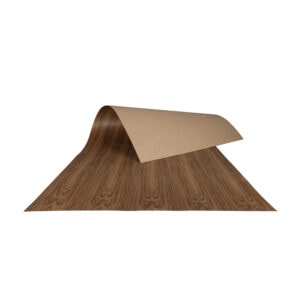
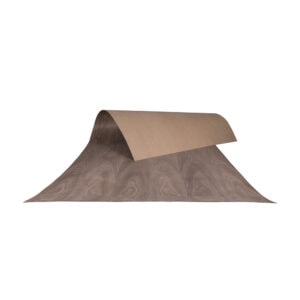
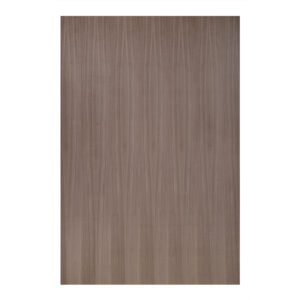
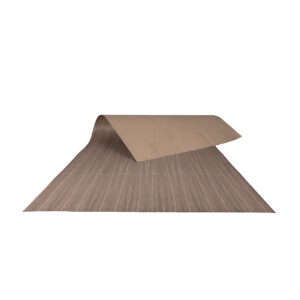
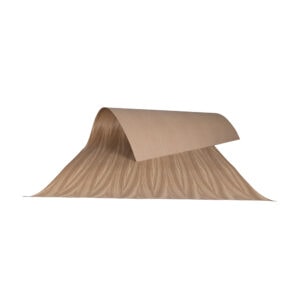
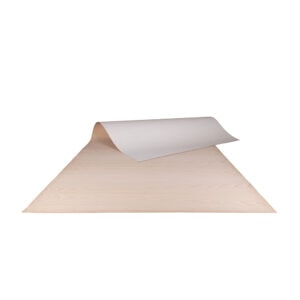
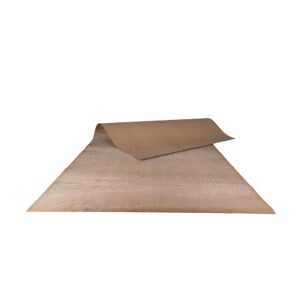
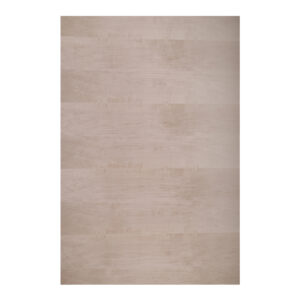
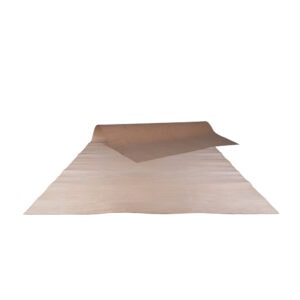
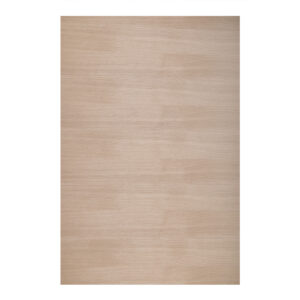
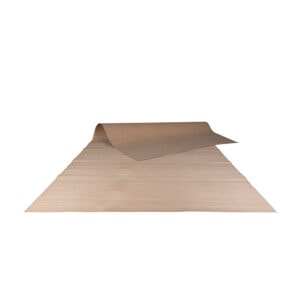
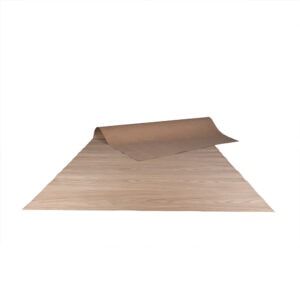
The sheets combine thin real wood with a flexible backing. They form a decorative surface that stays easy to handle and shape. The structure lets the material bend gently without cracking. Preparation stays controlled. Fabrication feels predictable. Typical thickness sits around 0.5 to 0.8mm.
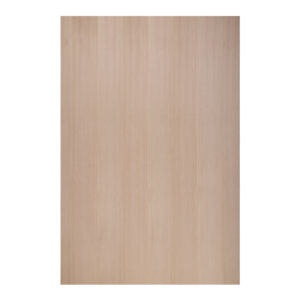
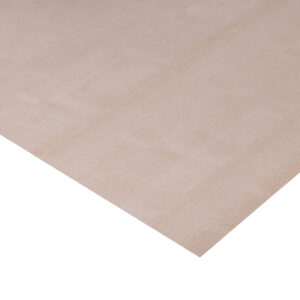
Most sheets come in standard sizes of 2440mm x 1220mm and larger formats like 3050mm x 1220mm. The surface comes smooth and ready for finishing. It takes varnish or stain well. This makes it easier to match surrounding materials without overworking the finish.
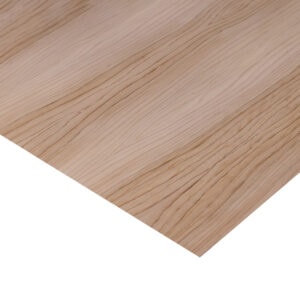
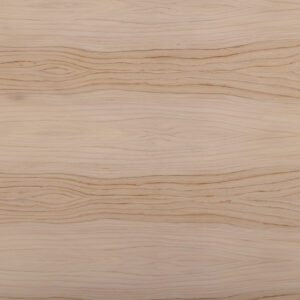
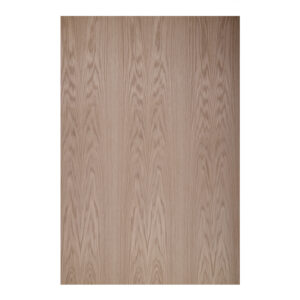
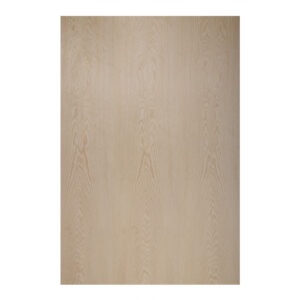
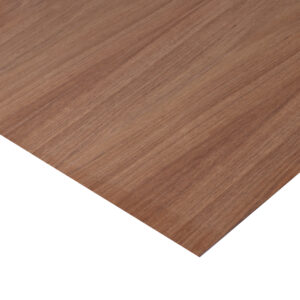
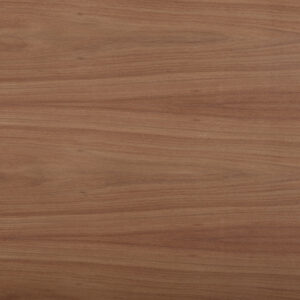
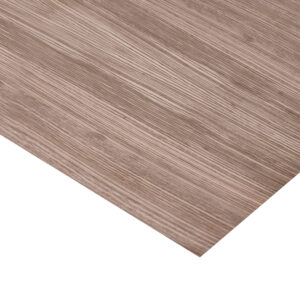
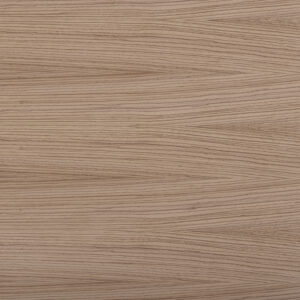
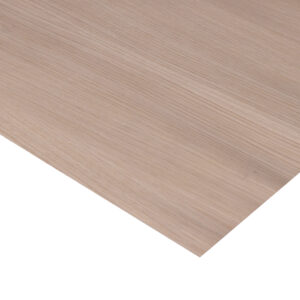
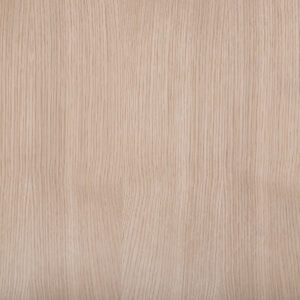
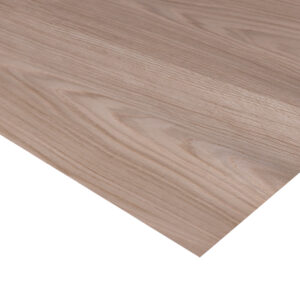
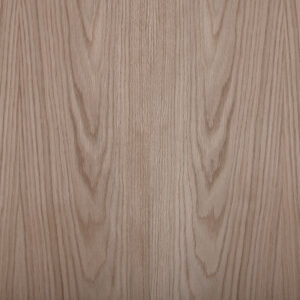
The range includes many natural tones and grain options. Popular choices include oak and walnut. Both are valued for their balanced texture and reliable colour range. Other options such as maple, ash, cherry and sapele provide different visual weights and character. This allows designers and makers to adjust the feel of a space, without changing the overall layout.
As a decorative material, flexible veneer sheets prioritise appearance, consistency and controlled finishing. The sanded veneer surface stays even across the sheet. It allows clean, straightforward preparation from start to finish. That combination of natural appearance and practical handling is what makes the material widely specified across interior projects.
What are flexible veneer sheets used for?
In everyday work, they are often used on curved reception desks, bar fronts and kitchen island ends. The material follows the shape easily and keeps the surface calm and controlled. The same logic applies to column casings, stair panels and shaped joinery.
Across residential interiors, flexible veneers show up on wardrobe fronts, media walls and built in cabinetry where matching grain keeps the whole layout balanced. They also work well for headboards, window seating and alcove linings where warmth is needed without extra bulk. The finish stays natural. The detailing stays clean.
Fit out teams regularly specify them for feature walls, ceiling rafts and corridor panelling where large surfaces must stay even and controlled across the full layout.
Workshops use them to refinish existing furniture, cover formed plywood structures and complete prototype or exhibition builds where a clean, natural result is essential. That flexibility across both fabrication and finishing is what keeps flexible veneer sheets relevant across projects of every scale.
Types of flexible veneer sheets
Prefinished sheets arrive with a factory applied finish, which helps speed up production and keeps results consistent across larger surfaces. A good option when the appearance is fixed, and prep work needs to stay minimal.
Unfinished sheets are chosen when more flexibility is needed at the finishing stage. They can be stained, lacquered or oiled. This helps match surrounding joinery and interior schemes more precisely. This is especially helpful for bespoke work where colour consistency matters.
10×4 sheets work well across wide layouts and long runs. Fewer joins help maintain a continuous look across the surface. They are often selected for feature walls and panelling. The same applies to larger surfaces where the grain needs to flow cleanly across the space.
4×8 size offers a practical balance between coverage and handling. It works comfortably in both workshop and site conditions. Fabrication stays straightforward. Installation stays controlled. For many interior projects, it remains a dependable option.
8×4 sheet size keeps planning simple from the start. It aligns easily with standard substrates and joinery dimensions. Layouts stay predictable. The job moves forward more efficiently across a wide range of interiors.
Benefits of flexible veneer
- Bends easily to follow curves, edges and shaped joinery without cracking.
- Keeps surfaces light while delivering a real wood appearance.
- Applies cleanly to MDF, plywood and other common substrates.
- Helps maintain consistent grain direction across large layouts.
- Reduces visible joins on wider or continuous surfaces.
- Takes stain, lacquer and oil evenly for controlled results.
- Easy to cut, position, and adjust during fitting.
- Supports precise detailing across bespoke interior projects.
- Helps refresh existing furniture without full replacement.
- Suitable for both small scale jobs and larger interior schemes.
Why choose our flexible veneer?
If you work with interiors long enough, you start to value supply that stays consistent and pricing that makes sense from the start. At Sheet Materials Wholesale, we keep it simple. You get flexible veneer at a competitive price, backed by real availability and clear communication.
Whether you are ordering a few sheets or working at volume, the structure stays practical. Many customers also rely on our trade discounts when planning ongoing work or repeat installations.
Ordering our products online setup is straightforward and built around how trade actually buys. Stock is held as project-ready stock, so you are not waiting around while schedules tighten. That matters when deadlines are fixed, and sequencing on-site leaves little room for delay.
We offer fast UK delivery. At Sheet Materials Wholesale, every order also includes order tracking, so you always know where materials are and when they will arrive.
In practice, what customers value most is reliability. Good stock levels, sensible pricing, steady service and materials that turn up ready to use. That combination is what keeps people coming back to Sheet Materials Wholesale.
FAQ
Where to buy flexible veneer sheets?
Buy them directly from Sheet Materials Wholesale. Orders are easy to place online, and everything arrives ready to use.
How to apply veneer to plywood, MDF or chipboard?
Use a clean, flat substrate and apply an even coat of contact adhesive or press glue. Position carefully, press from the centre outward and keep pressure consistent across the surface. Trim once set, and you’ll get a clean result.
What is the best sheet to apply veneer to?
MDF is usually the best choice because it’s smooth, stable and consistent. Good-quality plywood also works well if the surface is flat. Chipboard can be used too, as long as it’s clean and properly prepared.
Flexible Veneer Sheets Range
Showing 1–36 of 62
Products in Flexible Veneer Sheets
-
Buy in Bulk & Save
12-24 25+ £71.99£86.39 £70.51£84.61 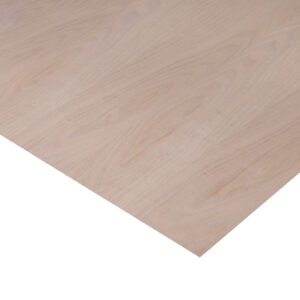 Available in 3-5 days
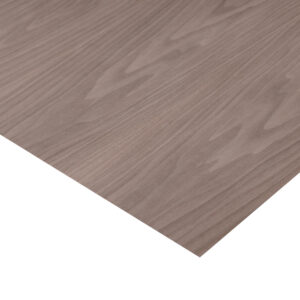
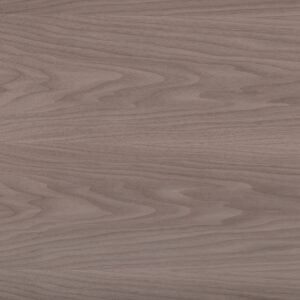
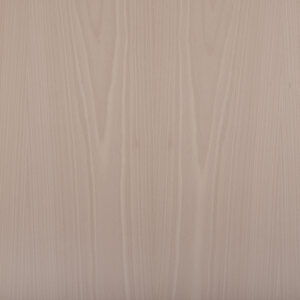
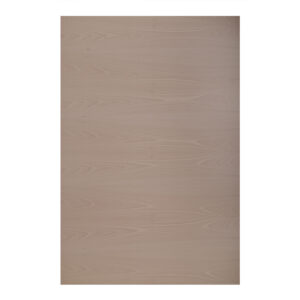
Ash Flexible Wood Veneer Crown Cut Long Grain 3050 x 1220mm (10′ x 4′)
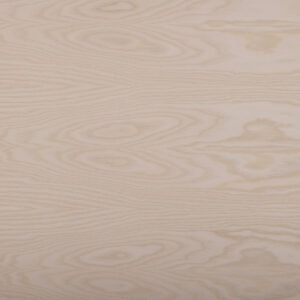
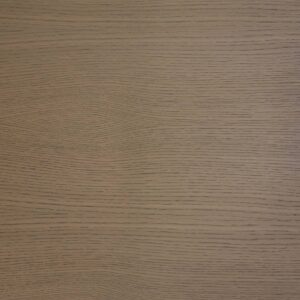
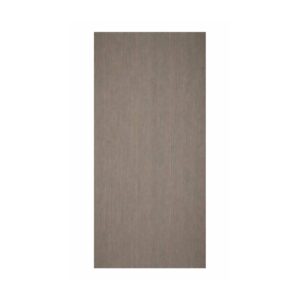
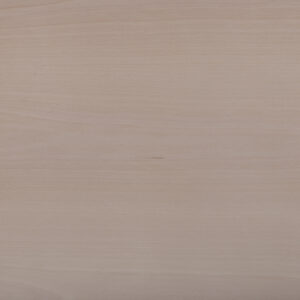
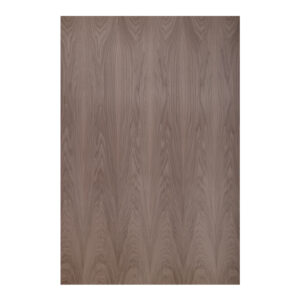
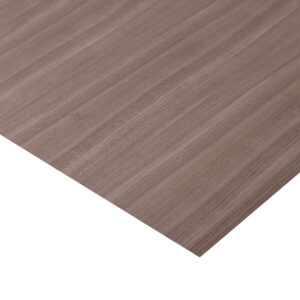
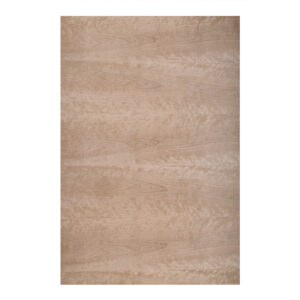
Flexible Veneer Sheets in Ash colour features a sleek and subtle pale-grey tone. Natural wood sheets can be bent easily to follow curves and contours, or can be used on MDF sheets to be pressed or glued, bringing warmth to interior finishes – ideal for cabinets, wall panels, or bespoke joinery with a grey, inviting wood tone.
£74.22£89.06 Ex VATInc VAT Add to cart -
Vanilla Veneercoat Flexible Wood Veneer Crown Cut Long Grain 3050 x 1220mm (10′ x 4′)
10×4 Flexible Veneer Sheets in Vanilla colour is a natural wood veneer finished product. It is a stained and lacquered veneer sheet with a flexible nano lacquer applied. They can be bent or can be used on MDF sheets to be glued.
£153.09£183.71 Ex VATInc VAT Add to cart -
Rift Veneercoat Flexible Wood Veneer Crown Cut Long Grain 3050 x 1220mm (10′ x 4′)
10×4 Flexible Veneer Sheets in Rift colour is a natural wood veneer finished product. It is a stained and lacquered veneer sheet with a flexible nano lacquer applied. They can be bent or can be used on MDF sheets to be glued.
£153.09£183.71 Ex VATInc VAT Add to cart -
Fawn Veneercoat Flexible Wood Veneer Crown Cut Long Grain 3050 x 1220mm (10′ x 4′)
10×4 Flexible Veneer Sheets in Fawn colour is a natural wood veneer finished product. It is a stained and lacquered veneer sheet with a flexible nano lacquer applied. They can be bent or can be used on MDF sheets to be glued.
£153.09£183.71 Ex VATInc VAT Add to cart -
Chestnut Veneercoat Flexible Wood Veneer Crown Cut Long Grain 3050 x 1220mm (10′ x 4′)
10×4 Flexible Veneer Sheets in Chestnut colour is a natural wood veneer finished product. It is a stained and lacquered veneer sheet with a flexible nano lacquer applied. They can be bent or can be used on MDF sheets to be glued.
£153.09£183.71 Ex VATInc VAT Add to cart -
Truffle Veneercoat Flexible Wood Veneer Crown Cut Long Grain 3050 x 1220mm (10′ x 4′)
10×4 Flexible Veneer Sheets in Truffle colour is a natural wood veneer finished product. It is a stained and lacquered veneer sheet with a flexible nano lacquer applied. They can be bent or can be used on MDF sheets to be glued.
£153.09£183.71 Ex VATInc VAT Add to cart -
Stonewash Veneercoat Flexible Wood Veneer Crown Cut Long Grain 3050 x 1220mm (10′ x 4′)
10×4 Flexible Veneer Sheets in Stonewash colour is a natural wood veneer finished product. It is a stained and lacquered veneer sheet with a flexible nano lacquer applied. They can be bent or can be used on MDF sheets to be glued.
£153.09£183.71 Ex VATInc VAT Add to cart -
Chai Veneercoat Flexible Wood Veneer Crown Cut Long Grain 3050 x 1220mm (10′ x 4′)
10×4 Flexible Veneer Sheets in Chai colour is a natural wood veneer finished product. It is a stained and lacquered veneer sheet with a flexible nano lacquer applied. They can be bent or can be used on MDF sheets to be glued.
£153.09£183.71 Ex VATInc VAT Add to cart -
Driftwood Veneercoat Flexible Wood Veneer Crown Cut Long Grain 3050 x 1220mm (10′ x 4′)
10×4 Flexible Veneer Sheets in Driftwood colour is a natural wood veneer finished product. It is a stained and lacquered veneer sheet with a flexible nano lacquer applied. They can be bent or can be used on MDF sheets to be glued.
£153.09£183.71 Ex VATInc VAT Add to cart -
Mink Veneercoat Flexible Wood Veneer Crown Cut Long Grain 3050 x 1220mm (10′ x 4′)
10×4 Flexible Veneer Sheets in Mink colour is a natural wood veneer finished product. It is a stained and lacquered veneer sheet with a flexible nano lacquer applied. They can be bent or can be used on MDF sheets to be glued.
£153.09£183.71 Ex VATInc VAT Add to cart -
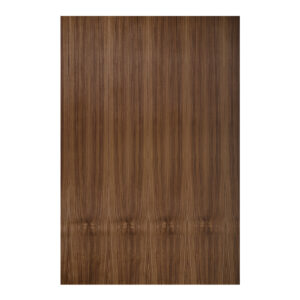
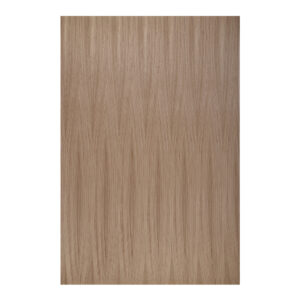
Walnut Veneercoat Flexible Wood Veneer Crown Cut Long Grain 3050 x 1220mm (10′ x 4′)
10×4 Flexible Veneer Sheets in Walnut colour is a natural wood veneer finished product. It is a stained and lacquered veneer sheet with a flexible nano lacquer applied. They can be bent or can be used on MDF sheets to be glued.
£159.20£191.04 Ex VATInc VAT Add to cart -
Buy in Bulk & Save
12-24 25+ £86.49£103.79 £84.71£101.65 Available in 3-5 daysAnegre Flexible Wood Veneer Crown Cut Long Grain 2440 x 1220mm (8′ x 4′)
Flexible Veneer Sheets in Anegre colour features a beautifully light, creamy yellow hue with light pink undertones. Natural wood sheets can be bent easily to follow curves and contours, or can be used on MDF sheets to be pressed or glued, bringing warmth to interior finishes – ideal for cabinets, wall panels, or bespoke joinery with a soft, inviting wood tone.
£89.17£107.00 Ex VATInc VAT Add to cart -
Buy in Bulk & Save
12-24 25+ £73.44£88.13 £71.92£86.30 Available in 3-5 daysBirch Flexible Wood Veneer Crown Cut Long Grain 2440 x 1220mm (8′ x 4′)
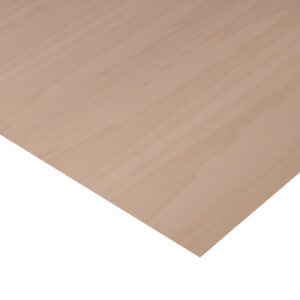
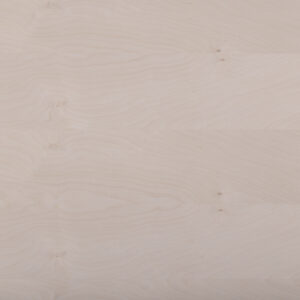
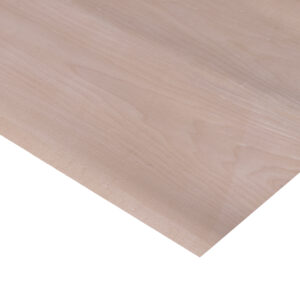
Flexible Veneer Sheets in Birch colour features a fresh and bright cream background with light brown grain. Natural wood sheets can be bent easily to follow curves and contours, or can be used on MDF sheets to be pressed or glued, bringing warmth to interior finishes – ideal for cabinets, wall panels, or bespoke joinery with a soft, inviting wood tone.
£75.71£90.85 Ex VATInc VAT Add to cart -
Buy in Bulk & Save
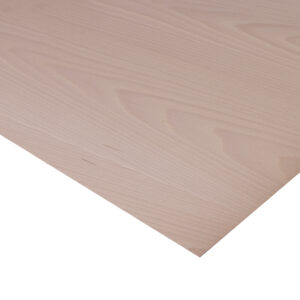
12-24 25+ £57.62£69.14 £56.43£67.72 Available in 3-5 daysSteamed Beech Flexible Wood Veneer Crown Cut Long Grain 2440 x 1220mm (8′ x 4′)
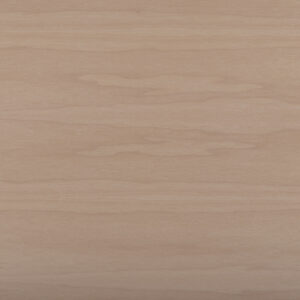
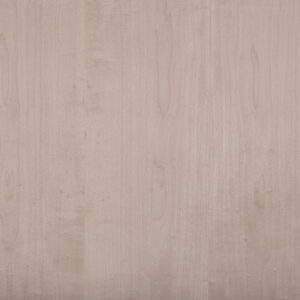
Flexible Veneer Sheets in Steamed beech colour features a warm cream with pink brown hues colour. Natural wood sheets can be bent easily to follow curves and contours, or can be used on MDF sheets to be pressed or glued, bringing warmth to interior finishes – ideal for cabinets, wall panels, or bespoke joinery with a soft, inviting wood tone.
£59.40£71.28 Ex VATInc VAT Add to cart -
Buy in Bulk & Save
12-24 25+ £159.52£191.42 £156.23£187.48 Available in 3-5 daysCedar of Lebanon Flexible Wood Veneer Crown Cut Long Grain 2440 x 1220mm (8′ x 4′)
Flexible Veneer Sheets in Cedar of Lebanon colour features a golden straw, warm with some red/brown fine grain. Natural wood sheets can be bent easily to follow curves and contours, or can be used on MDF sheets to be pressed or glued, bringing warmth to interior finishes – ideal for cabinets, wall panels, or bespoke joinery with a soft, inviting wood tone.
£164.45£197.34 Ex VATInc VAT Add to cart -
Buy in Bulk & Save
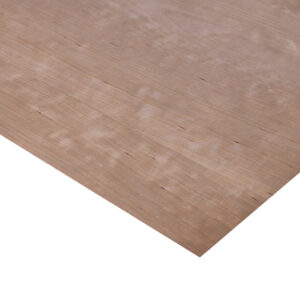
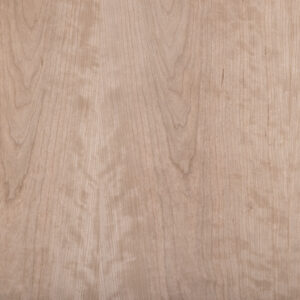
12-24 25+ £66.78£80.14 £65.41£78.49 Available in 3-5 daysCherry Flexible Wood Veneer Crown Cut Long Grain 2440 x 1220mm (8′ x 4′)
Flexible Veneer Sheets in cherry colour features a warm, rose brown with rich red undertones and grain flow. Natural wood sheets can be bent easily to follow curves and contours, or can be used on MDF sheets to be pressed or glued, bringing warmth to interior finishes – ideal for cabinets, wall panels, or bespoke joinery with a soft, inviting wood tone.
£68.85£82.62 Ex VATInc VAT Add to cart -
Buy in Bulk & Save
12-24 25+ £88.39£106.07 £86.56£103.87 Available in 3-5 daysDouglas Fir Flexible Wood Veneer Quarter Cut Long Grain 2440 x 1220mm (8′ x 4′)
Flexible Veneer Sheets in Douglas Fir colour features a warm, honey tone with fine straight grain and gentle red/brown highlights. Natural wood sheets can be bent easily to follow curves and contours, or can be used on MDF sheets to be pressed or glued, bringing warmth to interior finishes – ideal for cabinets, wall panels, or bespoke joinery with a soft, inviting wood tone.
£91.12£109.34 Ex VATInc VAT Add to cart -
Ebony Flexible Wood Veneer Crown Cut Long Grain 2440 x 1220mm (8′ x 4′)
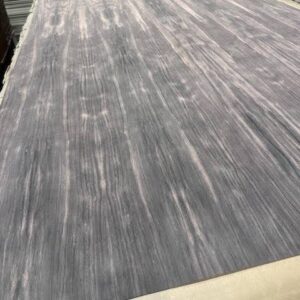
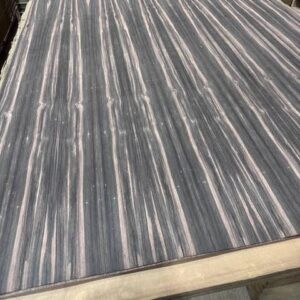
Flexible Veneer Sheets in Ebony features a deep, black/brown base streaked with light golden highlights. Natural wood sheets can be bent easily to follow curves and contours, or can be used on MDF sheets to be pressed or glued, bringing warmth to interior finishes – ideal for cabinets, wall panels, or bespoke joinery with a soft, inviting wood tone.
£382.25£458.70 Ex VATInc VAT Add to cart -
Buy in Bulk & Save
12-24 25+ £57.62£69.14 £56.43£67.72 Available in 3-5 daysWhite Beech Flexible Wood Veneer Crown Cut Long Grain 2440 x 1220mm (8′ x 4′)
Flexible Veneer Sheets in White beech features a pale/beige tone with softest blush of pink colour. Natural wood sheets can be bent easily to follow curves and contours, or can be used on MDF sheets to be pressed or glued, bringing warmth to interior finishes – ideal for cabinets, wall panels, or bespoke joinery with a soft, inviting wood tone.
£59.40£71.28 Ex VATInc VAT Add to cart -
Buy in Bulk & Save
12-24 25+ £83.22£99.86 £81.50£97.80 Available in 3-5 daysIroko Flexible Wood Veneer Quarter Cut Long Grain 2440 x 1220mm (8′ x 4′)
Flexible Veneer Sheets in Iroko colour features golden brown tones with amber tone. Natural wood sheets can be bent easily to follow curves and contours, or can be used on MDF sheets to be pressed or glued, bringing warmth to interior finishes – ideal for cabinets, wall panels, or bespoke joinery with a soft, inviting wood tone.
£85.79£102.95 Ex VATInc VAT Add to cart -
Buy in Bulk & Save
12-24 25+ £68.08£81.70 £66.68£80.02 Available in 3-5 daysMaple Flexible Wood Veneer Crown Cut Long Grain 2440 x 1220mm (8′ x 4′)
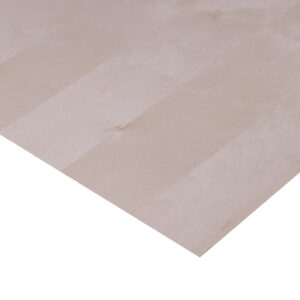
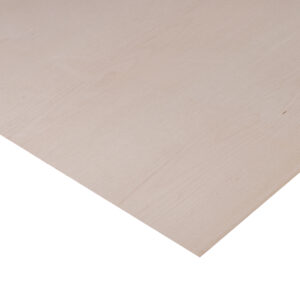
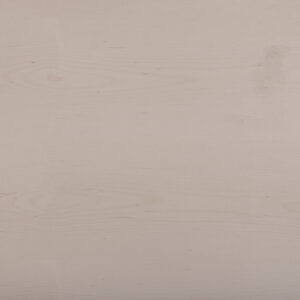
Flexible Veneer Sheets in Maple features a pale, cream and mix of beige colour with elegant grain. Natural wood sheets can be bent easily to follow curves and contours, or can be used on MDF sheets to be pressed or glued, bringing warmth to interior finishes – ideal for cabinets, wall panels, or bespoke joinery with a soft, inviting wood tone.
£70.19£84.23 Ex VATInc VAT Add to cart -
Buy in Bulk & Save
12-24 25+ £68.79£82.55 £67.37£80.84 Available in 3-5 daysMaple Flexible Wood Veneer Quarter Cut Long Grain 2440 x 1220mm (8′ x 4′)
Flexible Veneer Sheets in Maple features a pale, cream and mix of beige colour with elegant grain. Natural wood sheets can be bent easily to follow curves and contours, or can be used on MDF sheets to be pressed or glued, bringing warmth to interior finishes – ideal for cabinets, wall panels, or bespoke joinery with a soft, inviting wood tone.
£70.92£85.10 Ex VATInc VAT Add to cart -
Buy in Bulk & Save
12-24 25+ £72.63£87.16 £71.14£85.37 Available in 3-5 daysWhite Oak Flexible Wood Veneer Crown Cut Long Grain 2440 x 1220mm (8′ x 4′)
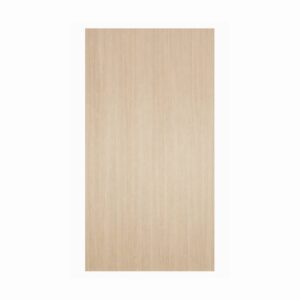
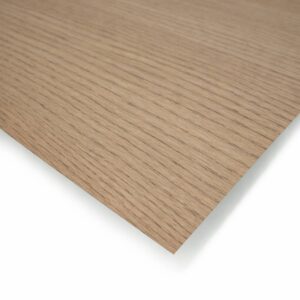
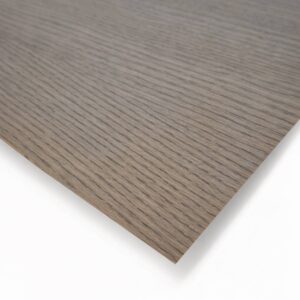
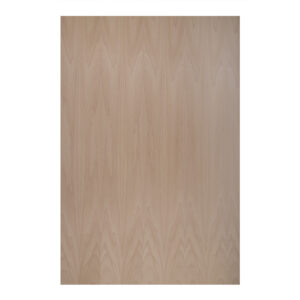
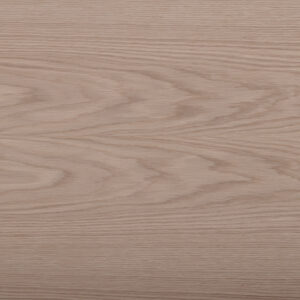
Flexible Veneer Sheets in White Oak offers a light, neutral wood colour with subtle straight grain. Natural wood sheets can be bent easily to follow curves and contours, or can be used on MDF sheets to be pressed or glued, bringing warmth to interior finishes – ideal for cabinets, wall panels, or bespoke joinery with a soft, inviting wood tone.
£74.88£89.86 Ex VATInc VAT Add to cart -
Buy in Bulk & Save
12-24 25+ £69.81£83.77 £68.37£82.04 Available in 3-5 daysWhite Oak Flexible Wood Veneer Quarter Cut Long Grain 2440 x 1220mm (8′ x 4′)
Flexible Veneer Sheets in White Oak offers a light, neutral wood colour with subtle straight grain. Natural wood sheets can be bent easily to follow curves and contours, or can be used on MDF sheets to be pressed or glued, bringing warmth to interior finishes – ideal for cabinets, wall panels, or bespoke joinery with a soft, inviting wood tone.
£71.97£86.36 Ex VATInc VAT Add to cart -
Buy in Bulk & Save
12-24 25+ £61.09£73.31 £59.83£71.80 Available in 3-5 daysPine Flexible Wood Veneer Crown Cut Long Grain 2440 x 1220mm (8′ x 4′)
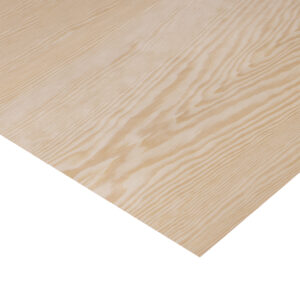
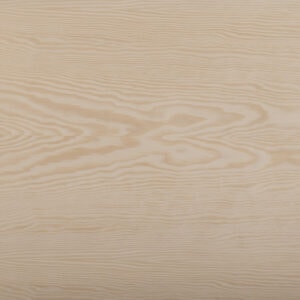
Flexible Veneer Sheets in Pine features a light yellow, following the grain lines. Natural wood sheets can be bent easily to follow curves and contours, or can be used on MDF sheets to be pressed or glued, bringing warmth to interior finishes – ideal for cabinets, wall panels, or bespoke joinery with a soft, inviting wood tone.
£62.98£75.58 Ex VATInc VAT Add to cart -
Buy in Bulk & Save
12-24 25+ £218.12£261.74 £213.63£256.36 Available in 3-5 daysRosewood Flexible Wood Veneer Crown Cut Long Grain 2440 x 1220mm (8′ x 4′)
Flexible Veneer Sheets in Rosewood offers a red/brown colour with dark tone and flowing grain. Natural wood sheets can be bent easily to follow curves and contours, or can be used on MDF sheets to be pressed or glued, bringing warmth to interior finishes – ideal for cabinets, wall panels, or bespoke joinery with a soft, inviting wood tone.
£224.87£269.84 Ex VATInc VAT Add to cart -
Buy in Bulk & Save
12-24 25+ £60.67£72.80 £59.42£71.30 Available in 3-5 daysSapele Flexible Wood Veneer Crown Cut Long Grain 2440 x 1220mm (8′ x 4′)
Flexible Veneer Sheets in Sapele offers a warm, red-brown colour. Natural wood sheets can be bent easily to follow curves and contours, or can be used on MDF sheets to be pressed or glued, bringing warmth to interior finishes – ideal for cabinets, wall panels, or bespoke joinery with a soft, inviting wood tone.
£62.55£75.06 Ex VATInc VAT Add to cart -
Buy in Bulk & Save
12-24 25+ £110.32£132.38 £108.04£129.65 Available in 3-5 daysTeak Flexible Wood Veneer Crown Cut Long Grain 2440 x 1220mm (8′ x 4′)
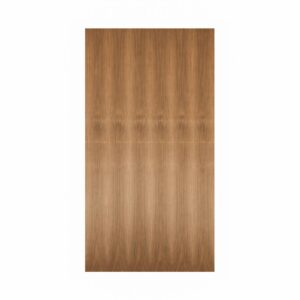
Flexible Veneer Sheets in Teak features a golden brown tone with darker streaks. Natural wood sheets can be bent easily to follow curves and contours, or can be used on MDF sheets to be pressed or glued, bringing warmth to interior finishes – ideal for cabinets, wall panels, or bespoke joinery with a soft, inviting wood tone.
£113.73£136.48 Ex VATInc VAT Add to cart -
Buy in Bulk & Save
12-24 25+ £81.20£97.44 £79.52£95.42 Available in 3-5 daysWalnut Flexible Wood Veneer Crown Cut Long Grain 2440 x 1220mm (8′ x 4′)
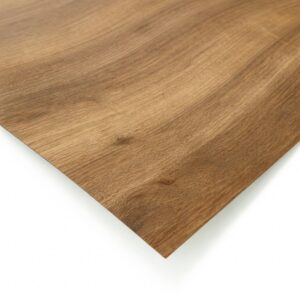
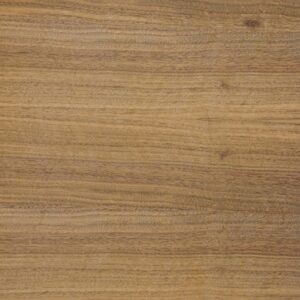
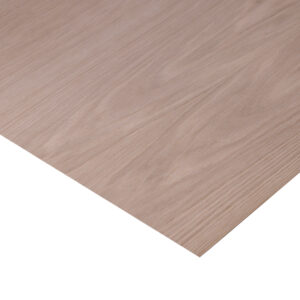
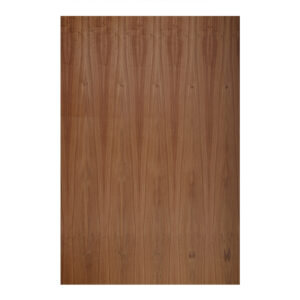
Flexible Veneer Sheets in black Walnut offers rich brown base with caramel and darker coffee tones. Natural wood sheets can be bent easily to follow curves and contours, or can be used on MDF sheets to be pressed or glued, bringing warmth to interior finishes – ideal for cabinets, wall panels, or bespoke joinery with a soft, inviting wood tone.
£83.71£100.45 Ex VATInc VAT Add to cart -
Buy in Bulk & Save
12-24 25+ £86.89£104.27 £85.10£102.12 Available in 3-5 daysWalnut Flexible Wood Veneer Quarter Cut Long Grain 2440 x 1220mm (8′ x 4′)
Flexible Veneer Sheets in black Walnut offers rich brown base with caramel and darker coffee tones. Natural wood sheets can be bent easily to follow curves and contours, or can be used on MDF sheets to be pressed or glued, bringing warmth to interior finishes – ideal for cabinets, wall panels, or bespoke joinery with a soft, inviting wood tone.
£89.58£107.50 Ex VATInc VAT Add to cart -
Buy in Bulk & Save
12-24 25+ £166.87£200.24 £163.43£196.12 Available in 3-5 daysZebrano Flexible Wood Veneer Crown Cut Long Grain 2440 x 1220mm (8′ x 4′)
Flexible Veneer Sheets in Zebrano features a light golden/beige background with striped dark brown streaks. Natural wood sheets can be bent easily to follow curves and contours, or can be used on MDF sheets to be pressed or glued, bringing warmth to interior finishes – ideal for cabinets, wall panels, or bespoke joinery with a soft, inviting wood tone.
£172.03£206.44 Ex VATInc VAT Add to cart -
Buy in Bulk & Save
12-24 25+ £85.35£102.42 £83.59£100.31 Available in 3-5 daysSteamed Beech Flexible Wood Veneer Crown Cut Short Grain 1220 x 2440mm (4′ x 8′)
Flexible Veneer Sheets in Steamed beech colour features a warm cream with pink brown hues colour. Natural wood sheets can be bent easily to follow curves and contours, or can be used on MDF sheets to be pressed or glued, bringing warmth to interior finishes – ideal for cabinets, wall panels, or bespoke joinery with a soft, inviting wood tone.
£87.99£105.59 Ex VATInc VAT Add to cart -
Buy in Bulk & Save
12-24 25+ £86.23£103.48 £84.46£101.35 Available in 3-5 daysCherry Flexible Wood Veneer Crown Cut Short Grain 1220 x 2440mm (4′ x 8′)
Flexible Veneer Sheets in cherry colour features a warm, rose brown with rich red undertones and grain flow. Natural wood sheets can be bent easily to follow curves and contours, or can be used on MDF sheets to be pressed or glued, bringing warmth to interior finishes – ideal for cabinets, wall panels, or bespoke joinery with a soft, inviting wood tone.
£88.90£106.68 Ex VATInc VAT Add to cart -
Buy in Bulk & Save
12-24 25+ £86.23£103.48 £84.46£101.35 Available in 3-5 daysMaple Flexible Wood Veneer Crown Cut Short Grain 1220 x 2440mm (4′ x 8′)
Flexible Veneer Sheets in Maple features a pale, cream and mix of beige colour with elegant grain. Natural wood sheets can be bent easily to follow curves and contours, or can be used on MDF sheets to be pressed or glued, bringing warmth to interior finishes – ideal for cabinets, wall panels, or bespoke joinery with a soft, inviting wood tone.
£88.90£106.68 Ex VATInc VAT Add to cart -
Buy in Bulk & Save
12-24 25+ £86.14£103.37 £84.36£101.23 Available in 3-5 daysWhite Oak Flexible Wood Veneer Quarter Cut Short Grain 1220 x 2440mm (4′ x 8′)
Flexible Veneer Sheets in White Oak offers a light, neutral wood colour with subtle straight grain. Natural wood sheets can be bent easily to follow curves and contours, or can be used on MDF sheets to be pressed or glued, bringing warmth to interior finishes – ideal for cabinets, wall panels, or bespoke joinery with a soft, inviting wood tone.
£88.80£106.56 Ex VATInc VAT Add to cart -
Buy in Bulk & Save
12-24 25+ £92.30£110.76 £90.39£108.47 Available in 3-5 daysWhite Oak Flexible Wood Veneer Crown Cut Short Grain 1220 x 2440mm (4′ x 8′)
Flexible Veneer Sheets in White Oak offers a light, neutral wood colour with subtle straight grain. Natural wood sheets can be bent easily to follow curves and contours, or can be used on MDF sheets to be pressed or glued, bringing warmth to interior finishes – ideal for cabinets, wall panels, or bespoke joinery with a soft, inviting wood tone.
£95.15£114.18 Ex VATInc VAT Add to cart