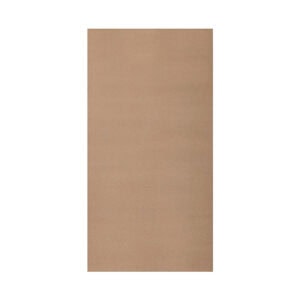



Chipboard Faced Door Core
Door makers, joiners and fit-out teams usually notice the difference early. A chipboard faced door core feels solid under the saw, stays steady on the bench and behaves predictably once machining starts. It suits workshops producing doorsets at scale as well as smaller joinery teams working to tight drawings.
What is a chipboard door core?
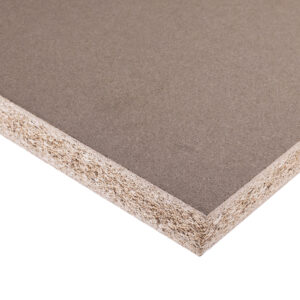
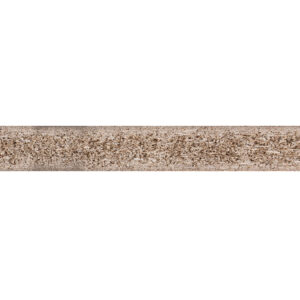
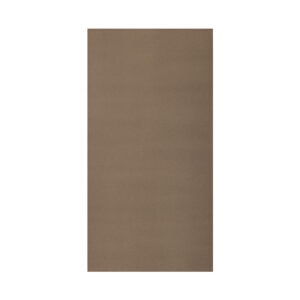
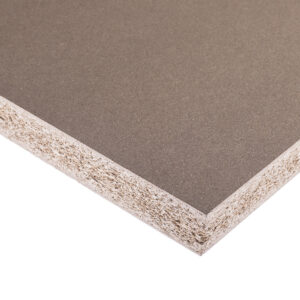
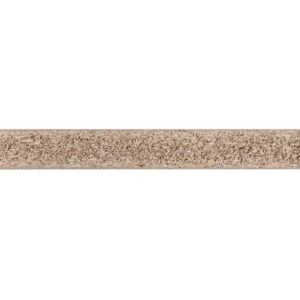
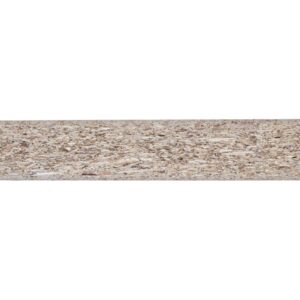
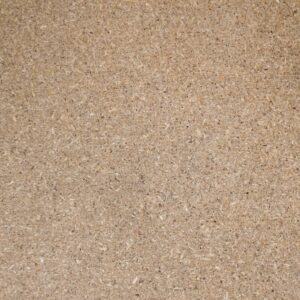
A chipboard door core is the engineered centre of a flush door leaf, produced as a dense panel ready for machining and finishing in the workshop. Unlike finished doors, it arrives unfinished and is intended to be sized, prepared and faced to suit the exact specification. The construction uses compressed recycled wood particles bonded under pressure, creating a solid structure without internal voids. This gives the panel its familiar weight, stability and predictable behaviour during cutting, routing and edging.
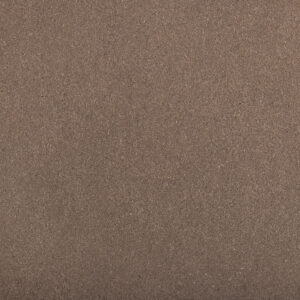
Most boards in this range come in 44 mm thickness. Some projects use 54 mm. Sizes vary depending on specification. Common options include 2440 × 1220 mm, 2135 × 915 mm, 2440 × 915 mm and 2800 × 1830 mm. Square edges allow clean cuts and consistent lipping. The surface suits paint, veneer or laminate depending on the job.
From a technical standpoint, these cores are designed for interior use and are classified as non-structural products. Many meet recognised fire testing standards such as BS 476 Part 22. FD30 and FD60 options are available where required. Most panels carry E1 low formaldehyde classification and are sourced from legally verified timber to suit typical UK specifications.
What is a chipboard fire door core used for?
A chipboard fire door core is selected where a door must do more than simply close an opening. It is commonly specified for flat entrance doors, shared corridor routes and stair enclosure doors in apartment buildings, where controlled fire performance supports compartmentation. In offices, they are often used for meeting rooms. They also suit protected escape routes and plant access points. In each case, fire ratings form part of the brief and cannot be overlooked.
On refurbishment projects, contractors choose them for riser cupboards and service corridors. They also work well in back-of-house circulation zones. These areas need dependable fire separation. They also benefit from straightforward detailing that does not slow the job.
In education settings, they are regularly specified for classroom doors. They are also used across internal circulation areas where consistent performance matters. Healthcare environments specify them for treatment rooms.
Beyond large projects, joinery workshops also use fire-rated chipboard cores for made-to-measure doorsets. This is typical for HMOs, converted properties and mixed-use buildings. Regulations often require the same fire performance across several doors, and these cores make that easier to achieve.
Types of chipboard fire door core
Most specifications in this category come down to two clear options: FD30 and FD60. The difference is not in appearance but in tested performance and build level, which is why the choice is usually driven by drawings rather than preference.
FD30 chipboard door core is the format most workshops and contractors work with day to day. It delivers 30-minute fire resistance and suits standard internal doorsets where compliance is required without adding unnecessary weight or complexity to production. It remains the most widely stocked and most frequently specified option across UK projects.
FD60 chipboard door core is selected where higher protection levels are written into the brief. It provides up to 60 minutes of fire resistance within a correctly specified and tested doorset assembly. These panels are typically heavier and built for stricter performance targets, so they are used when specifications demand longer protection and tighter control across certified systems.
In practice, the decision usually follows the fire strategy rather than site preference. Once the rating is confirmed, manufacturers simply match the core to the required doorset specification and production process.
Benefits of chipboard door blank
- Dense construction with no internal voids.
- Excellent stability during machining.
- Predictable performance across production runs.
- Clean edges for precise lipping.
- Consistent base for facing and finishing.
- Strong platform for fire-rated doorsets.
- Reliable weight and balance in finished doors.
- Well suited to batch manufacturing workflows.
Why choose our chipboard door core?
Choosing the right supplier often comes down to how smoothly everything runs once the order is placed. At Sheet Materials Wholesale, the focus stays on what actually matters to workshops and contractors. Sensible wholesale prices, dependable UK stock and panels that arrive ready for machining without surprises.
Ordering through our online store is straightforward, with clear availability and no guesswork around lead times. Whether you are planning a single run or working at scale, volume pricing keeps costs predictable across repeat jobs.
Logistics are just as important as price. With fast UK delivery and full order tracking, materials arrive when expected. That consistency is why many professionals return to Sheet Materials Wholesale again and again.
FAQ
Where to buy chipboard faced door core?
Buy it directly from Sheet Materials Wholesale. Order through our online store, check live stock and get it delivered where you need it.
What is the difference between FD30 chipboard door core and FD60 chipboard door core?
The rating. FD30 gives up to 30 minutes, FD60 up to 60 minutes within a tested doorset.
How much is a chipboard faced door core?
Prices usually start from around £48+ VAT each, depending on size, rating and availability. Check Sheet Materials Wholesale online for the most accurate pricing, as it changes regularly.
Showing all 12 results
-
44mm Marksman FD30 Graduated Density Chipboard Door Core Unlipped 2440 x 1220mm (8′ x 4′) Pack of 24
Marksman Chipboard door core FD30 is fire resistant for up to 30 minutes (FD30). Chipboard 44mm fire door core which can be cut to suit as required and suitable for internal use. Marksman doors are IFC Certified.
£1,219.75£1,463.70 Ex VATInc VAT£50.82£60.98 Per Sheet Add to cart -
44mm Marksman FD30 Graduated Density Chipboard Door Core Unlipped 2135 x 915mm (7′ x 3′) Pack of 24
Marksman Chipboard door core FD30 is fire resistant for up to 30 minutes (FD30). Chipboard 44mm fire door core which can be cut to suit as required and suitable for internal use. Marksman doors are IFC Certified.
£801.46£961.75 Ex VATInc VAT£33.39£40.07 Per Sheet Add to cart -
Buy in Bulk & Save
12-21 22+ £58.41£70.09 £55.33£66.40 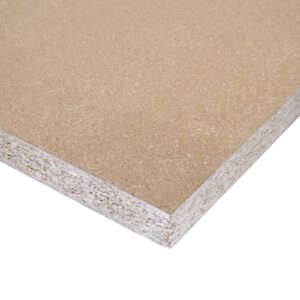 Available in 3-5 days
44mm Halspan Optima FD30 Graduated Density Chipboard Door Core Unlipped 2135 x 915mm (7′ x 3′)
44mm Halspan Optima door blank uses a graduated-density chipboard core with integral facings. It’s unlipped, lightweight and fire-resistant for up to 30 minutes (FD30). Supplied with square-edge and is for internal use only.
£61.48£73.78 Ex VATInc VAT Add to cart -
Buy in Bulk & Save
10-19 20+ £65.85£79.02 £62.39£74.87 44mm Halspan Optima FD30 Graduated Density Chipboard Door Core Unlipped 2440 x 915mm (8′ x 3′)
44mm Halspan Optima door blank uses a graduated-density chipboard core with integral facings. It’s unlipped, lightweight and fire-resistant for up to 30 minutes (FD30). Supplied with square-edge and is for internal use only.
£69.32£83.18 Ex VATInc VAT Add to cart -
Buy in Bulk & Save
12-21 22+ £94.53£113.44 £89.56£107.47 Available in 3-5 days44mm Halspan Optima FD30 Graduated Density Chipboard Door Core Unlipped 2440 x 1220mm (8′ x 4′)
44mm Halspan Optima door blank uses a graduated-density chipboard core with integral facings. It’s unlipped, lightweight and fire-resistant for up to 30 minutes (FD30). Supplied with square-edge and is for internal use only.
£99.51£119.41 Ex VATInc VAT Add to cart -
Buy in Bulk & Save
5-9 10+ £193.47£232.16 £183.29£219.95 Available in 3-5 days44mm Halspan Optima FD30 Graduated Density Chipboard Door Core Unlipped 2800 x 1830mm (9.1′ x 6′)
44mm Halspan Optima door blank uses a graduated-density chipboard core with integral facings. It’s unlipped, lightweight and fire-resistant for up to 30 minutes (FD30). Supplied with square-edge and is for internal use only.
£203.65£244.38 Ex VATInc VAT Add to cart -
44mm Halspan Optima FD30 Graduated Density Chipboard Door Core Unlipped 3050 x 1050mm
44mm Halspan Optima door blank in 10 foot size uses a graduated-density chipboard core with integral facings. It’s unlipped, lightweight and fire-resistant for up to 30 minutes (FD30). Supplied with square-edge and is for internal use only.
£203.32£243.98 Ex VATInc VAT Add to cart -
54mm Halspan Optima FD60 Graduated Density Chipboard Door Core Unlipped 2135 x 915mm (7′ x 3′)
54mm Halspan Optima door blank uses a graduated-density chipboard core with integral facings. It’s unlipped and fire-resistant for up to 60 minutes (FD60). Supplied square-edged (unlipped), ready for sizing and application of hardwood lippings; for internal use only.
£98.51£118.21 Ex VATInc VAT Add to cart -
54mm Halspan Optima FD60 Graduated Density Chipboard Door Core Unlipped 2440 x 915mm (8′ x 3′)
54mm Halspan Optima door blank uses a graduated-density chipboard core with integral facings. It’s unlipped and fire-resistant for up to 60 minutes (FD60). Supplied square-edged (unlipped), ready for sizing and application of hardwood lippings; for internal use only.
£113.75£136.50 Ex VATInc VAT Add to cart -
54mm Halspan Optima FD60 Graduated Density Chipboard Door Core Unlipped 2440 x 1220mm (8′ x 4′)
54mm Halspan Optima door blank uses a graduated-density chipboard core with integral facings. It’s unlipped and fire-resistant for up to 60 minutes (FD60). Supplied square-edged (unlipped), ready for sizing and application of hardwood lippings; for internal use only.
£150.35£180.42 Ex VATInc VAT Add to cart -
54mm Halspan Optima FD60 Graduated Density Chipboard Door Core Unlipped 2800 x 1830mm (9.1′ x 6′)
54mm Halspan Optima door blank uses a graduated-density chipboard core with integral facings. It’s unlipped and fire-resistant for up to 60 minutes (FD60). Supplied square-edged (unlipped), ready for sizing and application of hardwood lippings; for internal use only.
£309.89£371.87 Ex VATInc VAT Add to cart -
44mm Marksman FD30 Graduated Density Chipboard Door Core Unlipped 2135 x 915mm (7′ x 3′)
Marksman Chipboard door core FD30 is fire resistant for up to 30 minutes (FD30). Chipboard 44mm fire door core which can be cut to suit as required and suitable for internal use. Marksman doors are IFC Certified.
POA Get a quote