

Acoustic Flooring
Acoustic flooring boards, as the name implies, are panels made to dampen the sound of impact (footfalls or objects being dropped).
Our acoustic chipboard flooring range is suitable for builders, both professional and DIY, looking to create quieter, more comfortable spaces. It is ideal for apartments, flats, extensions, lofts, and other areas where sound deadening is a plus.
What are acoustic flooring boards?
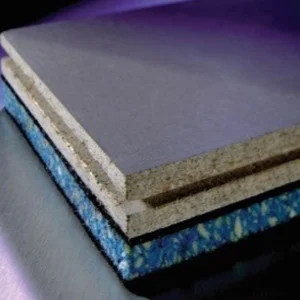
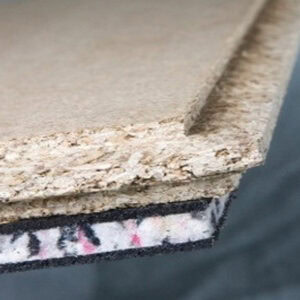
Acoustic flooring panels leverage a multi layered design that combines chipboard (often structural P5 grade) with the sound absorbing layers made of foam, barrier mats, and other suitable materials.
Here’s what is in an acoustic board:
- A structural chipboard panel (usually tongue & groove, moisture-resistant, or P5 grade) supports the load and provides rigidity.
- A resilient layer of foam, rubber, or barrier mats to dampen the vibrations.
- The T&G edges interlock to create clean joints that give the floor a continuous structure that mitigates noise.
- Perimeter edging or isolation strips for decoupling walls and skirting boards from the floor so that sound doesn’t just go around edges.
What is acoustic chipboard flooring used for?
Here are the most common applications for our range of acoustic flooring boards. It is worth noting that they are not made the same:
- Flats, apartments, and multi-storey houses, especially between rooms. Acoustic deck boards help meet Part E of the UK’s Building Regulations.
- Refurbishments and overlaying existing timber floors instead of ripping out the old floor can improve sound significantly.
- Lofts, extensions, and homes located above garages, etc., benefit from the thickness and resilient layer.
- Ceilings underneath habitable rooms can use acoustic panels to reduce sound travelling down. Some cement particle boards (18mm/22mm) are suitable.
- Residential buildings (conversions, houses, flats) and offices have regulations regarding occupant comfort and demand better acoustic performance. Our thicker offerings deliver a reduction of airborne and impact sound ratings.
Types of acoustic flooring
Here are the varieties we supply, spanning different thicknesses and designs:
| Product/Type | Thickness & Core | Acoustic Layers |
| JCW Acoustic Deck 33 | 33mm total (18mm P5 chipboard core + acoustic foam + barrier mat) | Resilient foam plus barrier mat reduces airborne and impact noise, and meets Part E regulations |
| JCW Acoustic Deck 28 / Deck 32 | 28mm or 32 mm P5 T&G chipboard with resilient layer | Balanced performance, and good for when floor height is a restriction. |
| JCW Acoustic Deck 37 / 37C Cement Based | 37mm board with 15mm resilient layer, topped with cement in some variants. | High mass and resilience keeps out impact and ambient noise and allow for direct-to-joist or overlay fixing. |
| Cement Particle Board Options (18mm / 22mm Fire Rated, Acoustic) | 18mm and 22mm cores | Fire rated (up to 30 minutes on some boards) plus acoustic performance in dense boards, perfect for ceiling and floor applications. |
Benefits of using acoustic flooring boards
With the right acoustic board, you should enjoy benefits such as:
- Significant ambient and impact noise reduction.
- Helps to meet regulations like Part E of the building regulations.
- Less disruption during renovation.
- Flexibility from having a variety of thicknesses.
- Fire safety from some of the boards complements the sound reduction
- Durable surfaces ready for final flooring; many are ‘deck ready.’
Why choose our acoustic boards?
We stock a comprehensive selection of JCW acoustic boards known for good acoustic performance and reliable build quality. You can also view the UKAS laboratory test data (impact/airborne sound values), Part E compliance, buffer edging, etc., to find the product that meets your needs.
Depending on how much noise control you need and how much floor buildup you can accommodate, there are thinner overlay decks or thicker cement-based boards.
Many acoustic boards are in stock for nationwide delivery with clear lead times and experts to help answer any questions you have.
Upgrade your space with quieter, more comfortable flooring. Browse our acoustic flooring range or get in touch to discuss which decks best meet your requirements.
FAQ
What is an acoustic floor?
An acoustic floor is one built to absorb impact and ambient noise to prevent disruption between floors. It improves comfort and privacy, especially in multi-tenant buildings.
What is the best acoustic underlay for laminate flooring?
Many professionals say rubber acoustic underlay. It is the best at absorbing vibrations and therefore at dampening sound transmission. However, you may also see cork, foam, fibre, and foam & foil used for this purpose.
Is rubber flooring good for acoustics?
Rubber is an excellent absorber of vibrations that can dampen sound from home theatre or gaming setups. By significantly cutting down on vibrations, rubber serves well in flooring applications.
What is the ‘resilient layer’ in an acoustic flooring board?
The resilient layer refers to a variety of flexible, shock-absorbing materials installed between the subfloor and final floor to absorb and dampen vibrations.
Showing all 15 results
-
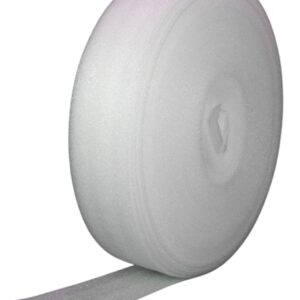
JCW Perimeter Edging Strip (75mm x 5mm x 50m)
5mm thick foam strip to isolate acoustic flooring from perimeter walls and maintain the acoustic integrity of the structure. For use with Acoustic Battens, Acoustic Cradles and Acoustic Decks.
£23.21£27.85 Ex VATInc VAT Add to cart -
Buy in Bulk & Save
18-36 37-54 £35.17£42.20 £32.92£39.50 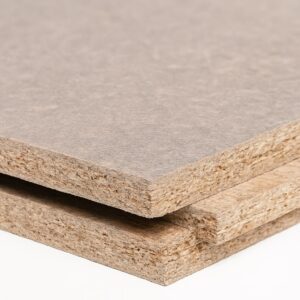
18mm JCW Cement Particle Board 1200mm x 600mm (4′ x 2′)
The JCW 18mm Cement Particle Board is a high-density acoustic panel for floors and ceilings, reducing noise while meeting fire safety standards. Comes with a tongue-and-groove design for easy installation, it ensures superior soundproofing and durability. The 18mm board offers a 30-minute fire rating, making it ideal for homes and commercial spaces.
£37.41£44.89 Ex VATInc VAT Add to cart -
Buy in Bulk & Save
201-300 301+ £16.18£19.42 £15.68£18.82 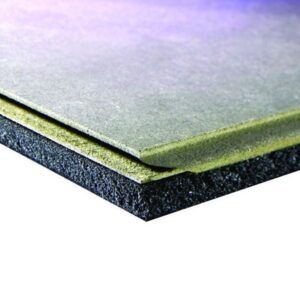
19mm JCW Acoustic Deck for Timber Floor Insulation MDF 1200mm x 600mm (4′ x 2′)
MDF based acoustic deck overlay boards for timber floors with good airborne and excellent impact performance.
£16.68£20.02 Ex VATInc VAT Add to cart -
Buy in Bulk & Save
36-53 54-72 £41.97£50.36 £38.88£46.66 22mm JCW Cement Particle Board 1200mm x 600mm (4′ x 2′)
The JCW 22mm Cement Particle Board is a high-density acoustic panel for floors and ceilings, reducing noise while meeting fire safety standards. Comes with a tongue-and-groove design for easy installation, it ensures superior soundproofing and durability. The 22mm board offers a 30-minute fire rating, making it ideal for homes and commercial spaces.
£44.18£53.02 Ex VATInc VAT Add to cart -
Buy in Bulk & Save
173-259 260+ £29.68£35.62 £28.76£34.51 

28mm JCW Acoustic Deck for Timber Floor Insulation Chipboard 2400mm x 600mm (8′ x 2′)
28mm Chipboard-based T&G acoustic deck overlay boards made of resilient layer and chipboard with good airborne and excellent impact performance. Commonly used in timber and concrete subfloors.
£30.60£36.72 Ex VATInc VAT Add to cart -
Buy in Bulk & Save
61-120 121+ £32.55£39.06 £31.55£37.86 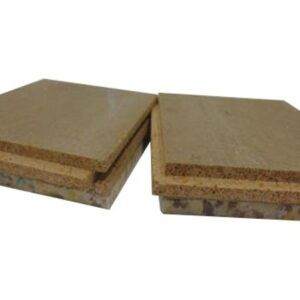
28mm JCW Acoustic 28 Plus Cement Particle Board 1200mm x 600mm (4′ x 2′)
SoundBoard 28 Plus is a 28mm acoustic overlay board with cement particle board and a resilient layer, reducing impact and airborne noise. (10mm acoustic overlay & 18mm cement particle board) Ideal for refurbishments, new builds, and underfloor heating systems.
£33.56£40.27 Ex VATInc VAT Add to cart -
Buy in Bulk & Save
61-120 121+ £32.80£39.36 £31.78£38.14 
30mm JCW Acoustic Deck 30C for Timber Floor Chipboard 2400mm x 600mm (8′ x 2′)
Acoustic deck 30C is a chipboard based premium acoustic deck overlay or direct to joist board for timber floors with excellent airborne and good impact performance.
£33.81£40.57 Ex VATInc VAT Add to cart -
Buy in Bulk & Save
141-210 211+ £37.94£45.53 £36.76£44.11 32mm JCW Acoustic Deck for Timber Floor Insulation Chipboard 2400mm x 600mm (8′ x 2′)
32mm Chipboard-based T&G acoustic deck overlay boards made of resilient layer and chipboard with good airborne and excellent impact performance. Commonly used in timber and concrete subfloors.
£39.11£46.93 Ex VATInc VAT Add to cart -
Buy in Bulk & Save
51-100 101+ £39.18£47.02 £37.97£45.56 32mm JCW Acoustic 32 Plus Cement Particle Board 1200mm x 600mm (4′ x 2′)
SoundBoard 32 Plus is a 32mm acoustic overlay board with cement particle board and a resilient layer, reducing impact and airborne noise. Ideal for refurbishments, new builds, and underfloor heating systems.
£40.39£48.47 Ex VATInc VAT Add to cart -
Buy in Bulk & Save
113-168 169+ £56.16£67.39 £54.43£65.32 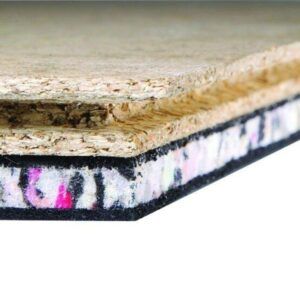
33mm JCW Acoustic Deck for Timber Floor Chipboard 2400mm x 600mm (8′ x 2′)
Acoustic Deck 33 is a high-performance 33mm acoustic overlay board for timber floors, combining 18mm P5 chipboard, acoustic foam, and a barrier mat to reduce airborne and impact noise. It meets Part E regulations and is ideal for both renovations and new builds.
£57.90£69.48 Ex VATInc VAT Add to cart -
Buy in Bulk & Save
201-300 301+ £46.97£56.36 £45.51£54.61 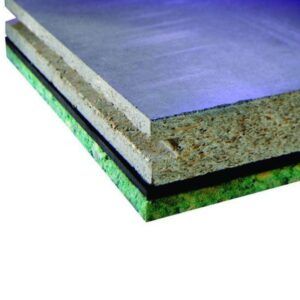
34mm JCW Acoustic Deck 34 Premium Overlay Board 1200mm x 600mm (4′ x 2′)
Acoustic Deck 34 is a 22mm cement-based board with a 12mm resilient layer, reducing impact and airborne noise. Ideal for timber floors, it’s easy to install and ready for final finishes.
£48.42£58.10 Ex VATInc VAT Add to cart -
Buy in Bulk & Save
112-167 168+ £54.66£65.59 £51.66£61.99 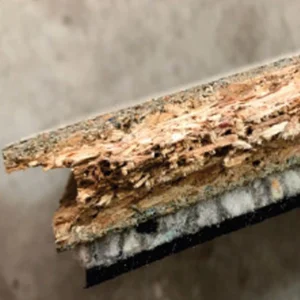
34mm JCW Acoustic Deck 34C Premium Overlay Board 1200mm x 600mm (4′ x 2′)
Acoustic Deck 34C is a 34mm soundproofing board with a chipboard core and resilient layer, reducing impact and airborne noise. Ideal for timber floors in both new builds and refurbishments, it’s easy to install and works with various floor finishes.
£57.66£69.19 Ex VATInc VAT Add to cart -
Buy in Bulk & Save
201-300 301+ £50.35£60.42 £48.80£58.56 37mm JCW Acoustic Deck 37 Cement Based Board 1200mm x 600mm (4′ x 2′)
Acoustic Deck 37 is a solid 37mm flooring board designed to go straight onto joists. With a dense cement top layer and a built-in 15mm acoustic layer, it’s great at cutting down both impact and airborne noise. Perfect for lofts, extensions, or any project where sound insulation really matters.
£51.91£62.29 Ex VATInc VAT Add to cart -
Buy in Bulk & Save
201-300 301+ £63.81£76.57 £61.83£74.20 37mm JCW Acoustic Deck 37C Cement Based Board 1200mm x 600mm (4′ x 2′)
Acoustic Deck 37C is a 37mm chipboard-based acoustic floorboard with a built-in 15mm resilient layer, designed for direct-to-joist use or as an overlay. It’s a cost-effective way to improve sound insulation in both new builds and refurbishments, and it’s ready for most final floor finishes.
£65.78£78.94 Ex VATInc VAT Add to cart -
19mm JCW Acoustic Deck for Timber Floor Insulation MDF 2400mm x 600mm (8′ x 2′)
MDF based acoustic deck overlay boards for timber floors with good airborne and excellent impact performance.
PLEASE NOTE:
- A mechanical offload on site is required to unload the goods.
- For smaller quantities please proceed with ‘Get a Quote’ button.
POA Get a quote