

Fire Retardant Chipboard
Fire retardant chipboard is not about appearance. It is about performance where it actually counts. Builders choose it when the specification calls for tested fire performance without changing how the job gets done. It machines well, installs quickly and feels familiar in use. At the same time, it meets the fire standards required on regulated builds. That combination keeps it firmly in demand.
What is fire retardant chipboard?
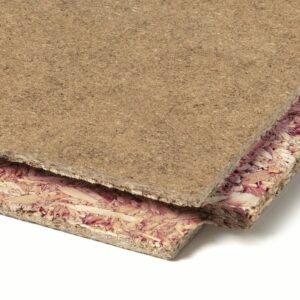
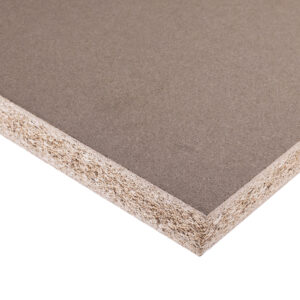
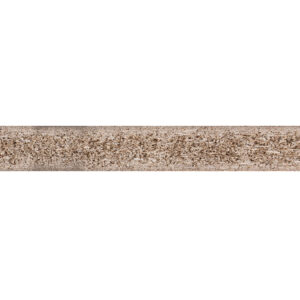
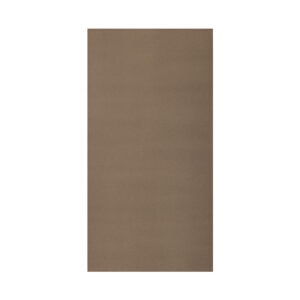
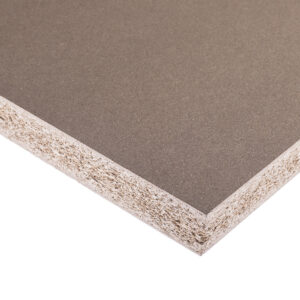
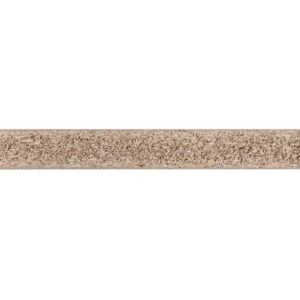
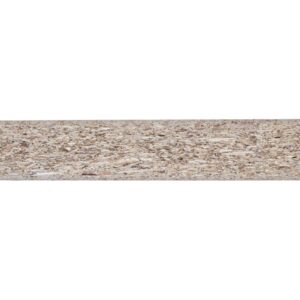
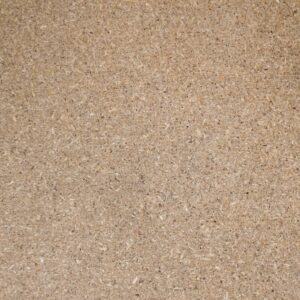
Fire retardant chipboard is a wood-based panel made from compressed wood particles. Fire-resistant treatment is built directly into the board itself. At first glance, it looks familiar. It handles much like standard chipboard. Installation feels straightforward and predictable. The difference shows when heat is involved. That is where its fire performance matters most. The board slows ignition and reduces flame spread, which helps projects meet specification requirements without changing how teams work on site.
In day-to-day use, it behaves exactly how most installers expect. It cuts cleanly, fixes securely and stays consistent during trimming and fitting. Boards are produced in 22mm flooring panels, 44mm chipboard door core blanks and heavier-duty options around 54mm. Common sheet formats include 2400 x 600, 2440 x 1220 and door sizes 2135 x 915.
Board specification changes with the application, although most are available with square edges or tongue and groove joints and take paint, veneer and other finishes well. Surface finishes differ across the range, from smooth sanded faces to ply-faced options. Many products meet E1 formaldehyde standards and are manufactured for interior conditions, with selected grades offering moisture-resistant performance.
Fire performance depends on the board selected. Many achieve FD30 or FD60 ratings to BS476 Part 22 when used in correctly tested assembly, while some structural panels meet BS EN312 classifications such as P5. Selected products are IFC certified, and certain flooring grades achieve Euroclass B reaction to fire. In practice, fire resistant chipboard is chosen because it combines familiar handling with reliable, test-backed performance.
What is fire resistant chipboard used for?
Fire resistant chipboard is used wherever fire performance has to be built into the structure without complicating installation. In residential construction, it is commonly specified for structural subfloors in multi-storey developments, especially across corridors and escape routes where regulations are stricter and reliability matters. The same logic applies in high-density housing, where utility room floors and protected stairwell constructions often require tested materials that behave predictably during installation.
In commercial fit-out work, the board is frequently chosen for intermediate floors, raised access floors in plant rooms and service zones, and mezzanine platforms in retail or warehouse environments. These are practical spaces that see regular use, which makes consistency and durability just as important as fire performance. Contractors also rely on it for storage platforms and technical maintenance walkways where safe access and dependable structure are essential.
Fire door manufacturing is another major area. The material is widely used as a core for FD30 internal door blanks in flats and HMOs, as well as FD60 door sets in schools, hotels and public buildings. It also forms part of office partition door systems and protected corridor doors, where both compliance and everyday durability are required.
Beyond floors and doors, fire resistant chipboard supports a range of regulated constructions, including service riser enclosures and acoustic or fire-rated partition systems. In practice, it is selected for spaces that need to meet specifications without introducing unnecessary complexity on site. That is what keeps it relevant across both residential and commercial projects.
Types of chipboard fire resistance
Fire retardant chipboard is not a single-format product. It comes in a small number of distinct types, each shaped around a specific task on site. The core material is similar, but the thickness, construction and certification change how each board performs in practice.
Flooring-grade boards are usually supplied in structural formats such as P5. Many come with tongue and groove joints for quick alignment across joists. These panels are chosen when the floor itself needs to meet fire classification as well as load requirements.
Door core boards sit in a different category. They are heavier. Denser too. Most are rated FD30 or FD60 and are produced for consistent machining in door manufacture. In use, they form the internal structure of fire door sets across regulated buildings. That is where their reliability matters most.
Benefits of flame retardant chipboard
- Slows ignition and helps limit flame spread.
- Supports compliance with building regulations.
- Handles and installs like standard chipboard.
- Cuts cleanly and holds fixings securely.
- Consistent density for reliable machining.
- Available in practical sizes and thicknesses.
Why choose our chipboard fire resistance?
If you are buying for a live job, you already know what matters. Price, availability and no surprises when the delivery lands. That is exactly how we work at Sheet Materials Wholesale. Our fire resistant chipboard is kept in UK stock and priced to make sense on real projects, whether you are ordering a few sheets or pallet quantities.
We focus on value for money rather than noise. You can order products online in minutes, check sizes and specs properly, and move on with the job. If you need speed, fast UK delivery keeps schedules on track and avoids site delays. Most of our customers come back because the boards arrive as expected and perform exactly how they should.
FAQ
Where to buy fire retardant chipboard?
You can buy it online at Sheet Materials Wholesale. Just pick your size and spec, add it to the basket and check out. If you're unsure what you need, give us a call, and we’ll point you in the right direction.
Can i cut fire resistant chipboard like normal chipboard?
Yes, you can. It cuts cleanly with standard tools. No special setup needed.
Can I use it for flooring?
Yes, as long as you choose the right grade. Structural flooring boards like P5 are made for that job and install just like standard T&G panels.
Showing all 12 results
-
22mm HydroFlam P5 Tongue And Groove Fire Retardant Chipboard Flooring Euroclass B 2400mm x 600mm (8′ x 2′) FSC® Pack of 80
22mm Fire-rated P5 Chipboard. This is a universal HydroFlam Euroclass B-rated and Moisture P5 rated Chipboard used in humid conditions, which allows it to reach certain certifications required for building regulations. Its main uses are Flooring and Walls.
£2,643.20£3,171.84 Ex VATInc VAT£33.04£39.65 Per Sheet Add to cart -
44mm Marksman FD30 Graduated Density Chipboard Door Core Unlipped 2440mm x 1220mm (8′ x 4′) Pack of 24
Marksman Chipboard door core FD30 is fire resistant for up to 30 minutes (FD30). Chipboard 44mm fire door core which can be cut to suit as required and suitable for internal use. Marksman doors are IFC Certified.
Original price was: £1344.00 Ex VAT (£1612.80 Inc VAT).£1,171.10£1,405.32Current price is: £1171.10 Ex VAT (£1405.32 Inc VAT). Ex VATInc VAT£56.00£67.20£48.80£58.56 Per Sheet Add to cart -
44mm Marksman FD30 Graduated Density Chipboard Door Core Unlipped 2135mm x 915mm (7′ x 3′) Pack of 24
Marksman Chipboard door core FD30 is fire resistant for up to 30 minutes (FD30). Chipboard 44mm fire door core which can be cut to suit as required and suitable for internal use. Marksman doors are IFC Certified.
£782.74£939.29 Ex VATInc VAT£32.61£39.13 Per Sheet Add to cart -
Buy in Bulk & Save
12-21 22+ £55.10£66.12 £52.20£62.64 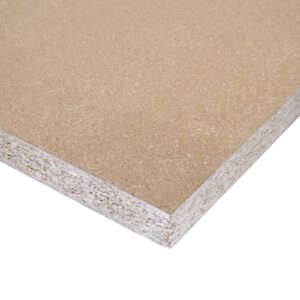

44mm Halspan Optima FD30 Graduated Density Chipboard Door Core Unlipped 2135mm x 915mm (7′ x 3′)
44mm Halspan Optima door blank uses a graduated-density chipboard core with integral facings. It’s unlipped, lightweight and fire-resistant for up to 30 minutes (FD30). Supplied with square-edge and is for internal use only.
£58.00£69.60 Ex VATInc VAT Add to cart -
Buy in Bulk & Save
10-19 20+ £62.13£74.56 £58.86£70.63 44mm Halspan Optima FD30 Graduated Density Chipboard Door Core Unlipped 2440mm x 915mm (8′ x 3′)
44mm Halspan Optima door blank uses a graduated-density chipboard core with integral facings. It’s unlipped, lightweight and fire-resistant for up to 30 minutes (FD30). Supplied with square-edge and is for internal use only.
£65.40£78.48 Ex VATInc VAT Add to cart -
Buy in Bulk & Save
12-21 22+ £83.94£100.73 £79.52£95.42 44mm Halspan Optima FD30 Graduated Density Chipboard Door Core Unlipped 2440mm x 1220mm (8′ x 4′)
44mm Halspan Optima door blank uses a graduated-density chipboard core with integral facings. It’s unlipped, lightweight and fire-resistant for up to 30 minutes (FD30). Supplied with square-edge and is for internal use only.
£88.36£106.03 Ex VATInc VAT Add to cart -
Buy in Bulk & Save
5-9 10+ £171.47£205.76 £162.44£194.93 44mm Halspan Optima FD30 Graduated Density Chipboard Door Core Unlipped 2800mm x 1830mm (9.1′ x 6′)
44mm Halspan Optima door blank uses a graduated-density chipboard core with integral facings. It’s unlipped, lightweight and fire-resistant for up to 30 minutes (FD30). Supplied with square-edge and is for internal use only.
£180.49£216.59 Ex VATInc VAT Add to cart -
54mm Halspan Optima FD60 Graduated Density Chipboard Door Core Unlipped 2135mm x 915mm (7′ x 3′)
54mm Halspan Optima door blank uses a graduated-density chipboard core with integral facings. It’s unlipped and fire-resistant for up to 60 minutes (FD60). Supplied square-edged (unlipped), ready for sizing and application of hardwood lippings; for internal use only.
£92.93£111.52 Ex VATInc VAT Add to cart -
54mm Halspan Optima FD60 Graduated Density Chipboard Door Core Unlipped 2440mm x 915mm (8′ x 3′)
54mm Halspan Optima door blank uses a graduated-density chipboard core with integral facings. It’s unlipped and fire-resistant for up to 60 minutes (FD60). Supplied square-edged (unlipped), ready for sizing and application of hardwood lippings; for internal use only.
£106.18£127.42 Ex VATInc VAT Add to cart -
54mm Halspan Optima FD60 Graduated Density Chipboard Door Core Unlipped 2440mm x 1220mm (8′ x 4′)
54mm Halspan Optima door blank uses a graduated-density chipboard core with integral facings. It’s unlipped and fire-resistant for up to 60 minutes (FD60). Supplied square-edged (unlipped), ready for sizing and application of hardwood lippings; for internal use only.
£137.23£164.68 Ex VATInc VAT Add to cart -
54mm Halspan Optima FD60 Graduated Density Chipboard Door Core Unlipped 2800mm x 1830mm (9.1′ x 6′)
54mm Halspan Optima door blank uses a graduated-density chipboard core with integral facings. It’s unlipped and fire-resistant for up to 60 minutes (FD60). Supplied square-edged (unlipped), ready for sizing and application of hardwood lippings; for internal use only.
£271.25£325.50 Ex VATInc VAT Add to cart -
44mm Marksman FD30 Graduated Density Chipboard Door Core Unlipped 2135mm x 915mm (7′ x 3′)
Marksman Chipboard door core FD30 is fire resistant for up to 30 minutes (FD30). Chipboard 44mm fire door core which can be cut to suit as required and suitable for internal use. Marksman doors are IFC Certified.
POA Get a quote