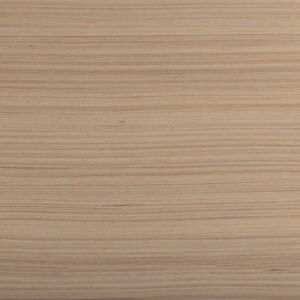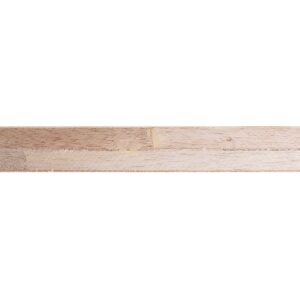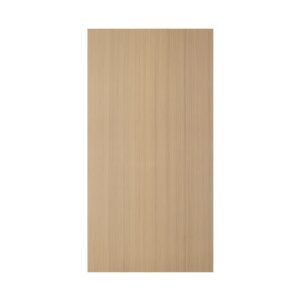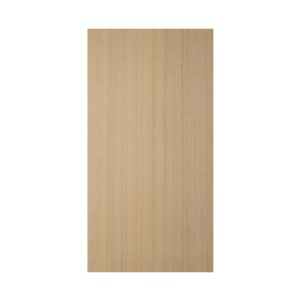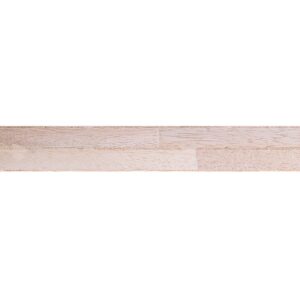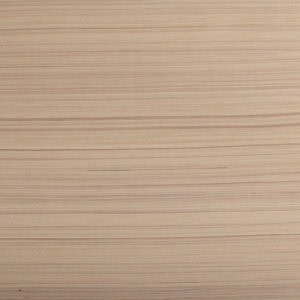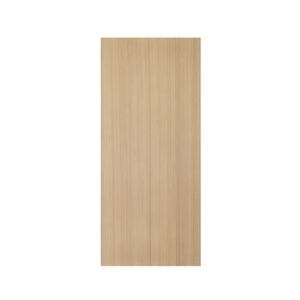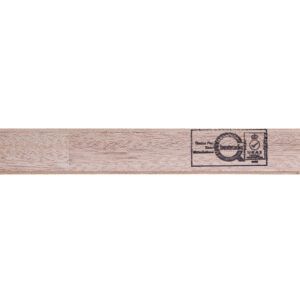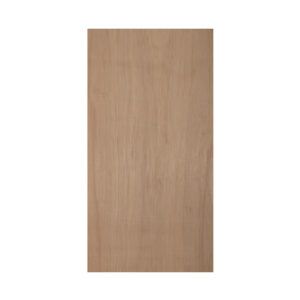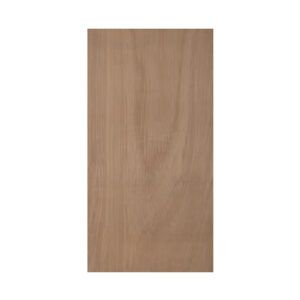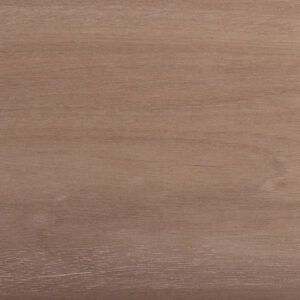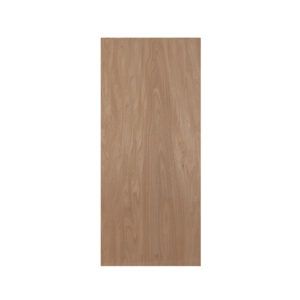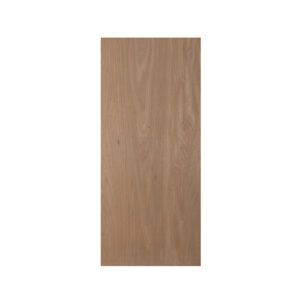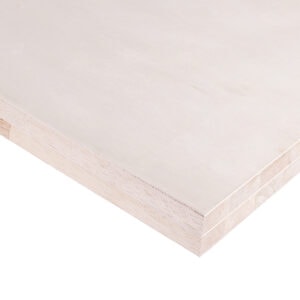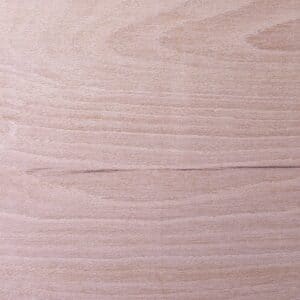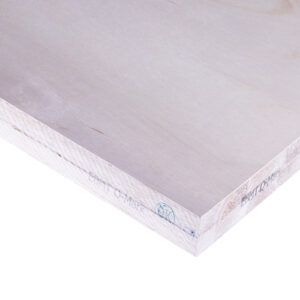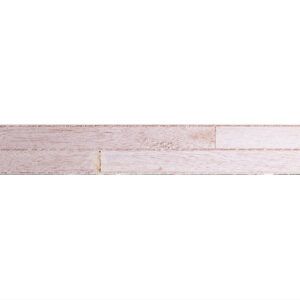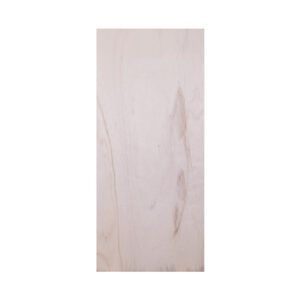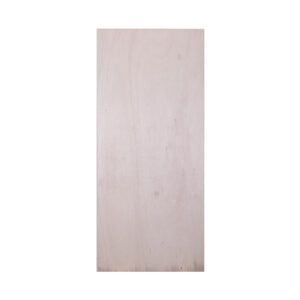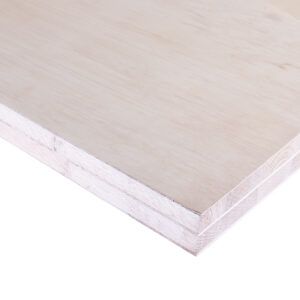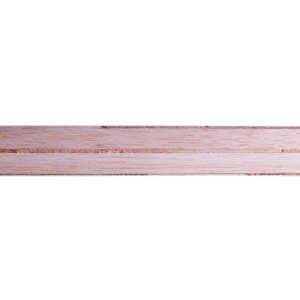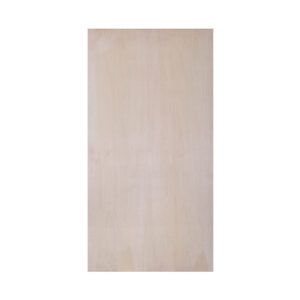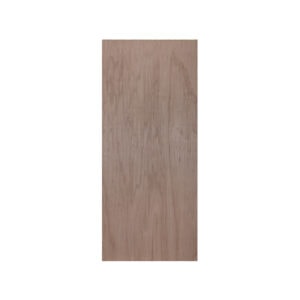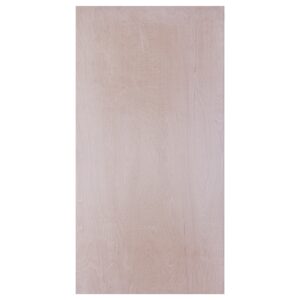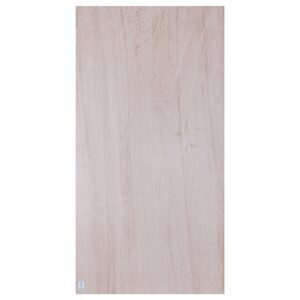


Plywood Faced Door Blank
A plywood door blank suits trades who prefer to set the standard themselves. It arrives unfinished, dependable and ready for accurate sizing, machining and fire door preparation. On fast moving builds and careful refurbishments alike, that control saves time and mistakes.
What is a plywood faced door blank?
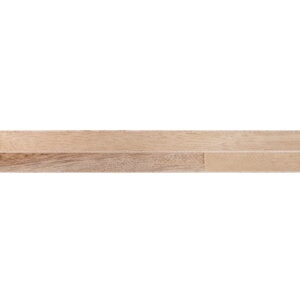
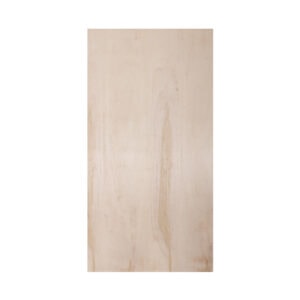
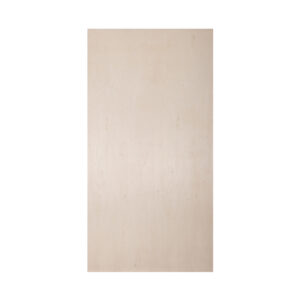
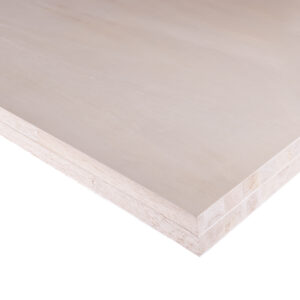
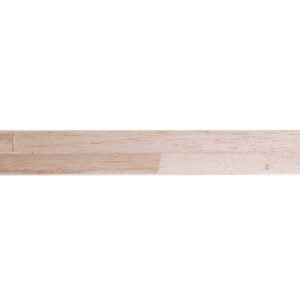
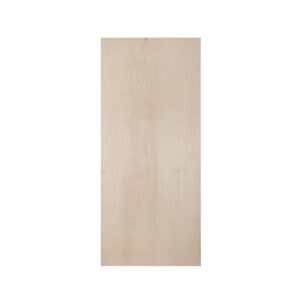
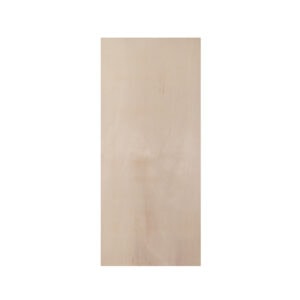
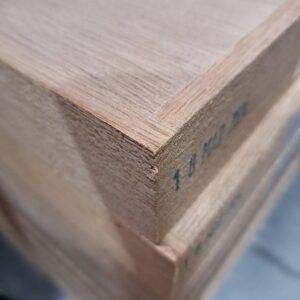
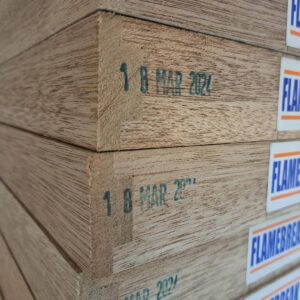
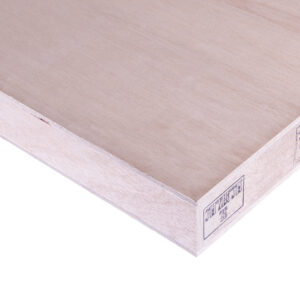
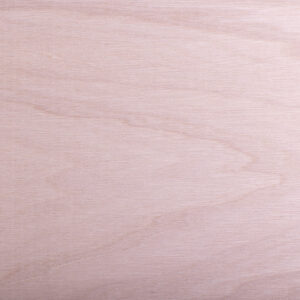
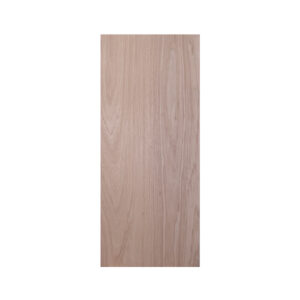
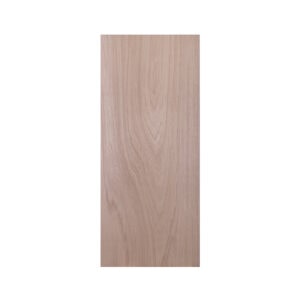
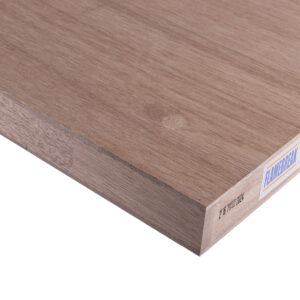
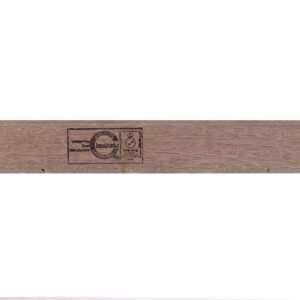
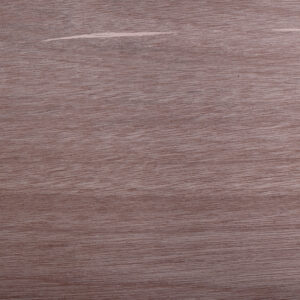
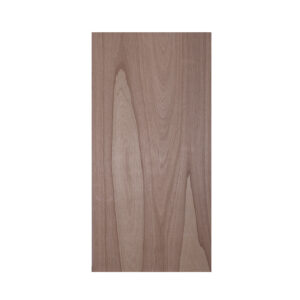
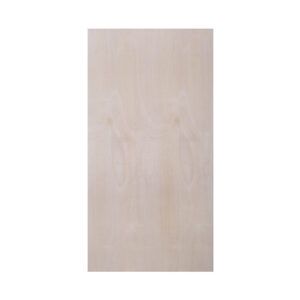
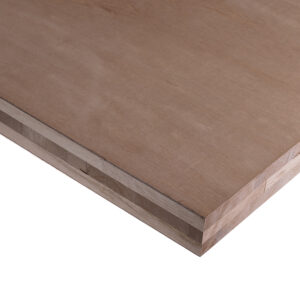
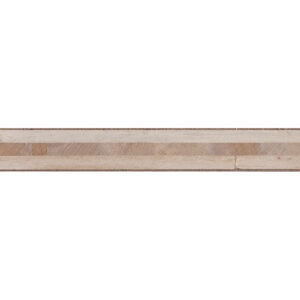
A plywood faced door blank is an unfinished door leaf. It is made to be sized, machined and finished by joiners or manufacturers before installation. The construction pairs a solid engineered core with a durable plywood face. This gives a stable base for fire rated doorsets. At the same time, it stays practical to handle and easy to work with on site. It arrives ready for cutting, lipping, routing and hardware preparation.
You will usually find them in 44 mm and 54 mm, in sheet sizes like 2440 × 1220 mm and 3050 × 1220 mm, as well as standard door formats including 2135 × 915 mm, 2040 × 726 mm and 1981 × 838 mm. Faces are typically square edged and supplied plywood-faced for further finishing, with engineered hardwood plywood layers in various thicknesses depending on specification. Many blanks are paintable with specialised paint, cuttable, but limited to the documentation guide and available in both FD30 and FD60 grades tested to recognised fire standards such as BS 476 Part 22.
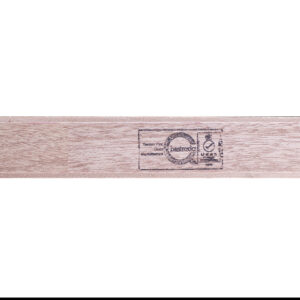
Most plywood faced door blanks are supplied with low formaldehyde E1 classification and legally sourced timber, often supported by FLEGT licensing. Depending on the specification, options may be suitable for interior use or for exterior applications where correctly prepared and finished. The overall construction is non-structural but designed for consistent machining, stable performance, and reliable results across a wide range of doorset builds.
What is a plywood fire door blank used for?
A plywood fire door blank is chosen wherever fire compliance has to work alongside practical fitting. It suits projects where doors are sized, prepared and finished around the building rather than lifted straight from stock. Because it machines cleanly and stays predictable during preparation, trades rely on it where accuracy, pace and certification all need to line up.
In residential developments, it is widely used for flat entrance doors, shared corridors and stair cores, along with riser cupboards and plant spaces where fire separation is essential. On commercial jobs, it appears across office corridors, meeting rooms and service areas, as well as hotel guest rooms and back-of-house routes where durability and consistency matter day to day.
It is equally common across schools, healthcare settings and care environments, covering classrooms, consulting rooms, bedrooms and utility areas where fire-rated doorsets form part of the building’s everyday safety design. In domestic projects, installers often use it for internal access doors to garages, utility rooms and other enclosed spaces that require reliable fire performance without complicated installation.
In every case, the blank allows joiners and manufacturers to prepare the doorset to suit the layout, hardware and tested specification, rather than adjusting the job around a fixed door size.
Types of plywood door blank
Plywood door blanks are usually chosen by performance rather than appearance. The main differences sit in fire rating, preparation needs and how much flexibility the installer wants during fitting. Understanding that makes selection much simpler on real jobs.
Most projects use an FD30 plywood door blank. It suits typical internal layouts such as flats, corridors and service spaces. In these settings, 30 minute fire resistance usually meets the specification. An FD60 plywood door blank is generally selected for higher risk areas like protected stair cores or routes with stricter compliance demands, where longer fire performance is required.
Another practical distinction is between unlipped and pre-lipped blanks. Unlipped options give maximum freedom for trimming and machining on site, which many joiners prefer for bespoke openings. Pre-lipped versions offer added edge protection and reduce preparation time, making them useful where speed and consistency matter across multiple doorsets.
Some ranges also use lightweight engineered cores, which help reduce handling strain and make machining easier across large batches. For contractors and manufacturers working at scale, that difference is often noticeable over the course of a project.
Benefits of plywood door blank
- Clean, predictable machining for accurate sizing and hardware prep.
- Strong, durable face that stands up to heavy daily use.
- Stable core helps reduce movement during fitting and service
- Works across a wide range of doorset specifications.
- Consistent results across single installs and large batches.
- Accepts paint, stain and site finishing without complication.
- Reliable base for compliant fire door preparation.
Why choose our plywood door blank?
Most customers come to Sheet Materials Wholesale when they want things to run smoothly without chasing stock or overpaying for basics. Our plywood door blanks are set at a realistic wholesale price, with clear volume discounts when projects scale and no guesswork around availability. Many trades are ordered through Products online because it fits easily into a working day and keeps the process straightforward.
We keep dependable UK stock, move orders quickly with Fast UK delivery, and support both site and home projects with flexible logistics. What matters most is simple: consistent supply, practical service and materials that arrive ready for the job. That is exactly what customers expect from Sheet Materials Wholesale, and why they keep coming back.
FAQ
Where to buy a plywood door blank?
Order it online from Sheet Materials Wholesale. You’ll get clear stock info, fast checkout and reliable delivery without chasing suppliers.
What is the difference between an FD30 plywood door blank and an FD60 plywood door blank?
FD30 suits most internal layouts and if used within specified system - is fire rated to 30 minutes.. FD60 is fire rated to 60 minutes usually specified for higher risk areas like protected stair cores. Always follow the drawings and spec.
Can a plywood fire door blank be used externally?
It can, but only when sealed and finished correctly. Treat all faces and edges, and install in suitable conditions.
Showing all 18 results
-
Buy in Bulk & Save
13-26 27+ £100.88£121.06 £98.28£117.94 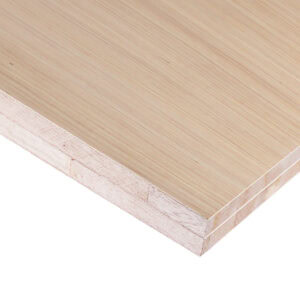

44mm FD30 Plywood EV Faced Lightweight Solid Door Blank Unlipped 2440mm x 1220mm (8′ x 4′)
Therman Plywood solid core fire door blank FD30 is fire resistant for up to 30 minutes (FD30). Solid core door blank which can be cut to suit as required and suitable for internal and external use.
£104.00£124.80 Ex VATInc VAT Add to cart -
Buy in Bulk & Save
13-26 27+ £68.68£82.42 £62.96£75.55 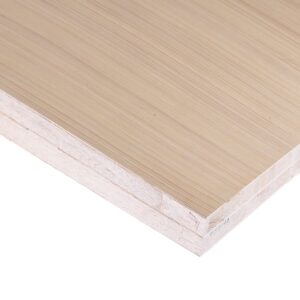
44mm FD30 Plywood EV Faced Lightweight Solid Door Blank Unlipped 2135mm x 915mm (7′ x 3′)
Therman Plywood solid core fire door blank FD30 is fire resistant for up to 30 minutes (FD30). Solid core door blank which can be cut to suit as required and suitable for internal and external use.
£71.54£85.85 Ex VATInc VAT Add to cart -
Buy in Bulk & Save
11-21 22+ £155.69£186.83 £145.85£175.02 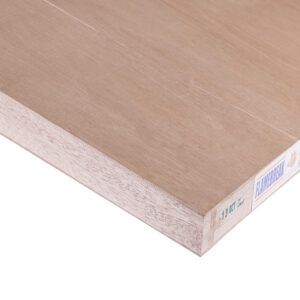
44mm Flamebreak FD30 Plywood Faced Lightweight Solid Door Blank Unlipped 2440mm x 1220mm (8′ x 4′)
Flamebreak 430 Plywood solid core fire door blank FD30 is fire resistant for up to 30 minutes (FD30). Solid core door blank which can be cut to suit as required and suitable for internal and external use.
£163.88£196.66 Ex VATInc VAT Add to cart -
Buy in Bulk & Save
11-21 22+ £100.98£121.18 £94.60£113.52 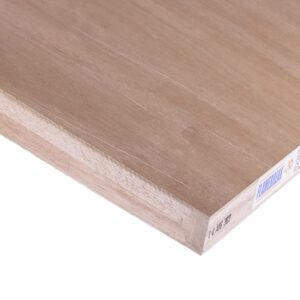
44mm Flamebreak FD30 Plywood Faced Lightweight Solid Door Blank Unlipped 2135mm x 915mm (7′ x 3′)
Flamebreak 430 Plywood solid core fire door blank FD30 is fire resistant for up to 30 minutes (FD30). Solid core door blank which can be cut to suit as required and suitable for internal and external use.
£106.29£127.55 Ex VATInc VAT Add to cart -
Buy in Bulk & Save
13-26 27+ £99.34£119.21 £96.78£116.14 44mm FD30 White Plywood Faced Lightweight Solid Door Blank Unlipped 2440mm x 1220mm (8′ x 4′)
Therman Plywood solid core fire door blank FD30 is fire resistant for up to 30 minutes (FD30). Solid core door blank which can be cut to suit as required and suitable for internal and external use.
£102.41£122.89 Ex VATInc VAT Add to cart -
SaleBuy in Bulk & Save
13-26 27+ £60.75£72.90 £59.19£71.03 44mm FD30 White Plywood Faced Lightweight Solid Door Blank Unlipped 2135mm x 915mm (7′ x 3′)
Therman Plywood solid core fire door blank FD30 is fire resistant for up to 30 minutes (FD30). Solid core door blank which can be cut to suit as required and suitable for internal and external use.
Original price was: £67.28 Ex VAT (£80.74 Inc VAT).£62.63£75.16Current price is: £62.63 Ex VAT (£75.16 Inc VAT). Ex VATInc VAT Add to cart -
Buy in Bulk & Save
5-9 10+ £267.15£320.58 £239.03£286.84 44mm Flamebreak FD30 Plywood Faced Lightweight Solid Door Blank Unlipped 3050mm x 1220mm (10′ x 4′)
Flamebreak 430 Plywood solid core fire door blank FD30 is fire resistant for up to 30 minutes (FD30). Solid core door blank which can be cut to suit as required and suitable for internal and external use.
£281.21£337.45 Ex VATInc VAT Add to cart -
Buy in Bulk & Save
11-21 22+ £135.99£163.19 £128.84£154.61 44mm Flamebreak FD30 Plywood Faced Lightweight Solid Door Blank Unlipped 2440mm x 915mm (8′ x 3′)
Flamebreak 430 Plywood solid core fire door blank FD30 is fire resistant for up to 30 minutes (FD30). Solid core door blank which can be cut to suit as required and suitable for internal and external use.
£143.15£171.78 Ex VATInc VAT Add to cart -
Buy in Bulk & Save
11-21 22+ £120.37£144.44 £114.04£136.85 44mm Flamebreak FD30 Plywood Faced Lightweight Solid Door Blank Pre-Lipped 2040mm x 726mm (6.7′ x 2.4′)
Flamebreak 430 Plywood solid core pre-lipped fire door blank FD30 is fire resistant for up to 30 minutes (FD30). 44mm Solid core door blank with lipping, gives a protective layer for the edges and some extra to trim before you get to the core.
£126.71£152.05 Ex VATInc VAT Add to cart -
Buy in Bulk & Save
5-9 10+ £120.91£145.09 £112.19£134.63 44mm Flamebreak FD30 Plywood Faced Lightweight Solid Door Blank Pre-Lipped 1981mm x 838mm (6.5′ x 2.7′)
Flamebreak 430 Plywood solid core pre-lipped fire door blank FD30 is fire resistant for up to 30 minutes (FD30). 44mm Solid core door blank with lipping, gives a protective layer for the edges and some extra to trim before you get to the core.
£124.65£149.58 Ex VATInc VAT Add to cart -
Buy in Bulk & Save
11-21 22+ £159.16£190.99 £150.79£180.95 44mm Flamebreak FD30 Plywood Faced Lightweight Solid Door Blank Pre-Lipped 2040mm x 926mm (6.7′ x 3′)
Flamebreak 430 Plywood solid core pre-lipped fire door blank FD30 is fire resistant for up to 30 minutes (FD30). 44mm Solid core door blank with lipping, gives a protective layer for the edges and some extra to trim before you get to the core.
£167.54£201.05 Ex VATInc VAT Add to cart -
Buy in Bulk & Save
9-17 18+ £141.54£169.85 £131.11£157.33 54mm Flamebreak FD60 Plywood Faced Lightweight Solid Door Blank Unlipped 2135mm x 915mm (7′ x 3′)
Flamebreak 660 Plywood solid core fire door blank FD60 is fire resistant for up to 60 minutes (FD60). Solid core door blank which can be cut to suit as required and suitable for internal and external use.
£148.99£178.79 Ex VATInc VAT Add to cart -
SaleBuy in Bulk & Save
9-17 18+ £206.63£247.96 £191.40£229.68 54mm Flamebreak FD60 Plywood Faced Lightweight Solid Door Blank Unlipped 2440mm x 1220mm (8′ x 4′)
Flamebreak 660 Plywood solid core fire door blank FD60 is fire resistant for up to 60 minutes (FD60). Solid core door blank which can be cut to suit as required and suitable for internal and external use.
Original price was: £223.94 Ex VAT (£268.73 Inc VAT).£217.50£261.00Current price is: £217.50 Ex VAT (£261.00 Inc VAT). Ex VATInc VAT Add to cart -
54mm Plywood Solid Core Fire Door Blank Unlipped 2135mm x 915mm (7′ x 3′) FD60
Plywood solid core fire door blank FD60 is fire resistant for up to 60 minutes (FD60). Solid core door blank which can be cut to suit as required and suitable for internal and external use.
POA Get a quote -
44mm DUOcore Ultra Lightweight White Hardwood Plywood Faced Fire Door Blank Unlipped 2135mm x 915mm (7′ x 3′) FD30
Plywood solid core fire door blank FD30 is fire resistant for up to 30 minutes (FD30). Solid core door blank which can be cut to suit as required and suitable for internal use only.
POA Get a quote -
44mm DUOcore Ultra Lightweight White Hardwood Plywood Faced Fire Door Blank Unlipped 2440mm x 1220mm (8′ x 4′) FD30
Plywood solid core fire door blank FD30 is fire resistant for up to 30 minutes (FD30). Solid core door blank which can be cut to suit as required and suitable for internal use only.
POA Get a quote -
44mm FD30 Plywood Faced Lightweight Solid Door Blank Unlipped 2135mm x 915mm (7′ x 3′)
Plywood Faced solid core fire door blank FD30 is fire resistant for up to 30 minutes (FD30). Solid core door blank which can be cut to suit as required and suitable for internal and external use.
POA Get a quote -
54mm Plywood Solid Core Fire Door Blank Unlipped 2440mm x 1220mm (8′ x 4′) FD60
Plywood solid core fire door blank FD60 is fire resistant for up to 60 minutes (FD60). Solid core door blank which can be cut to suit as required and suitable for internal and external use.
POA Get a quote