Description
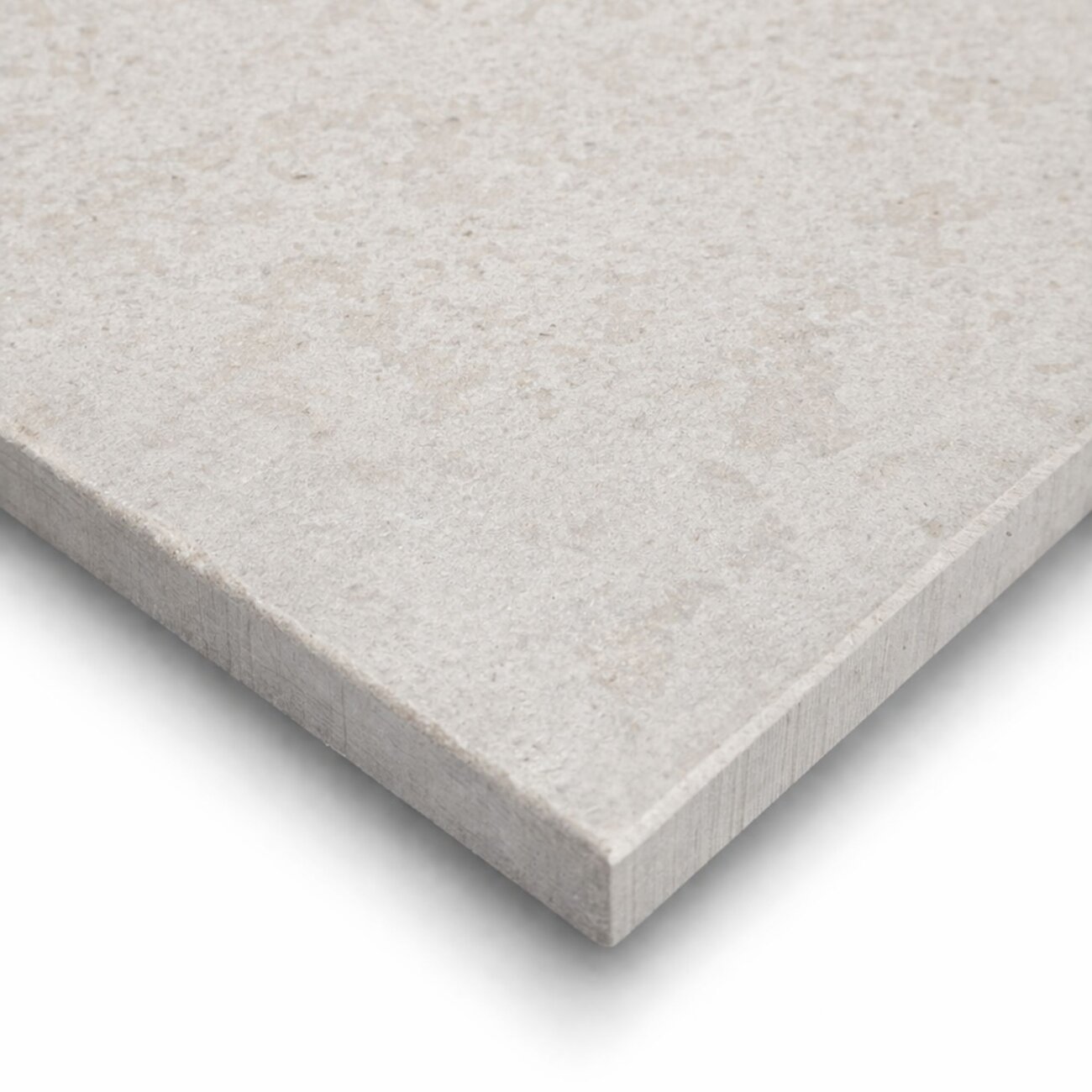
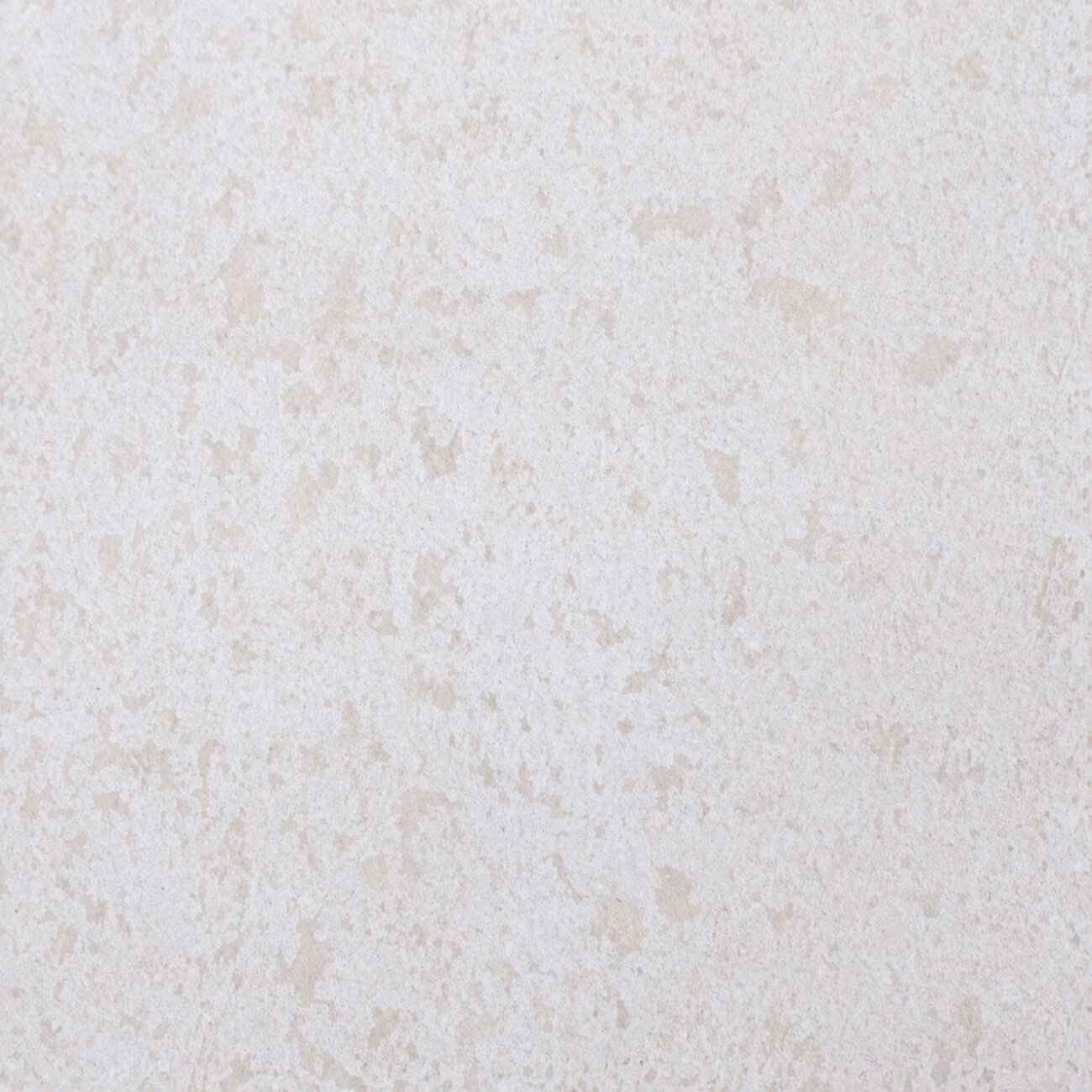
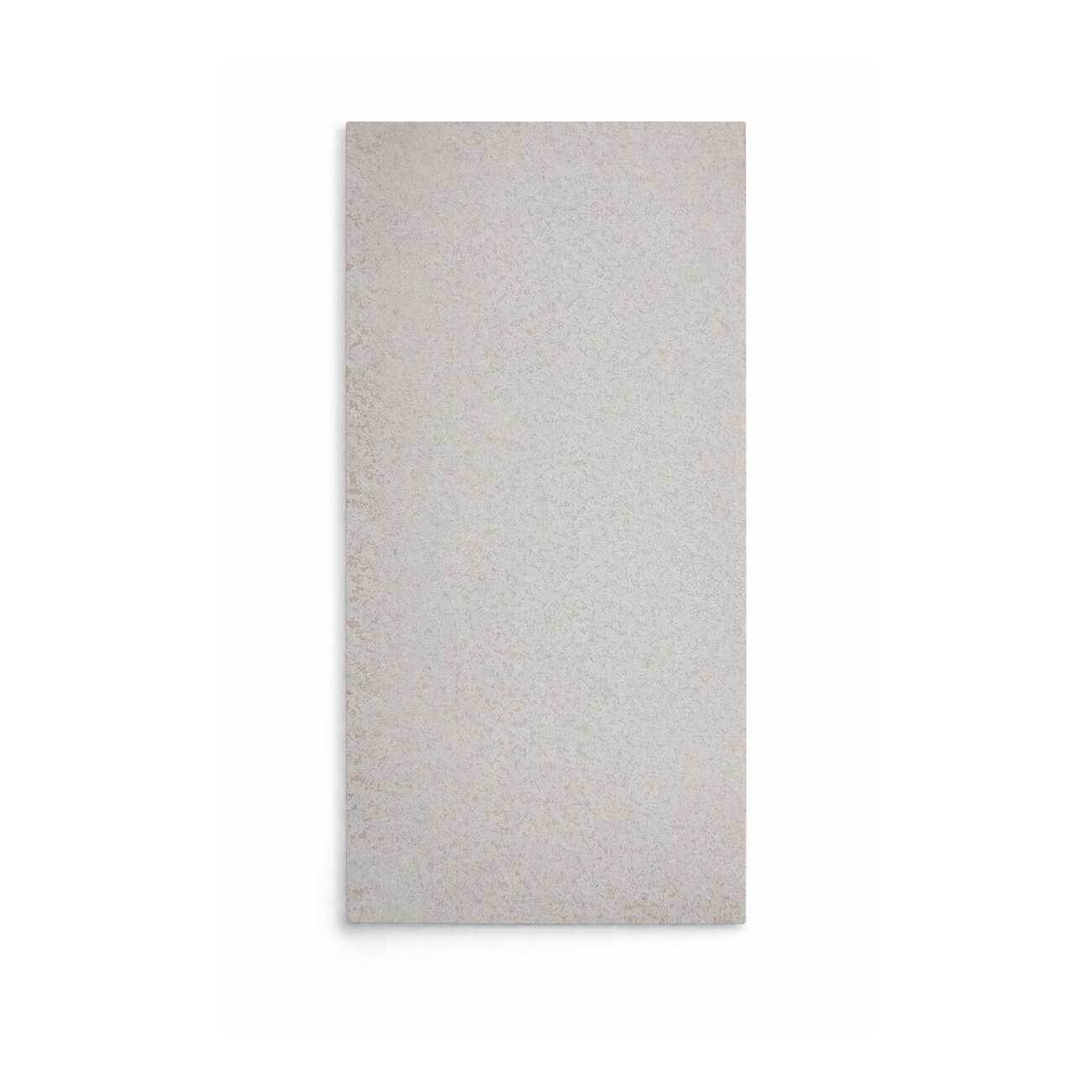
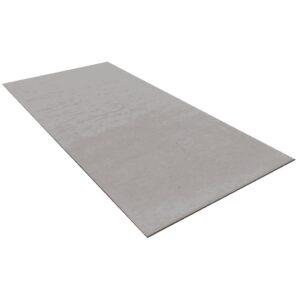
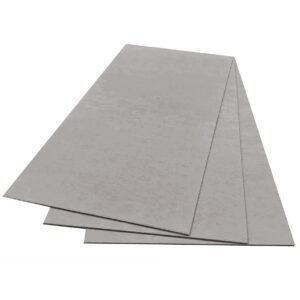
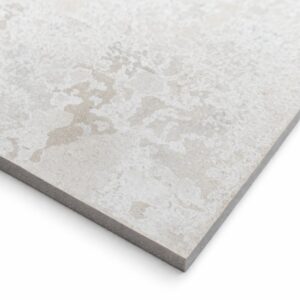
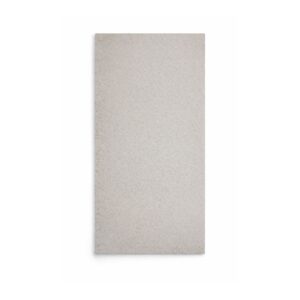
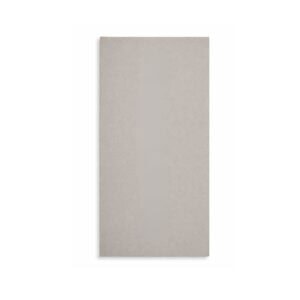
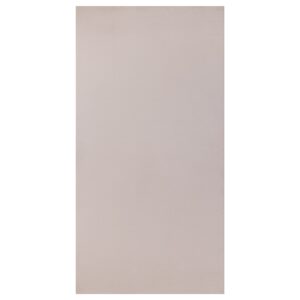
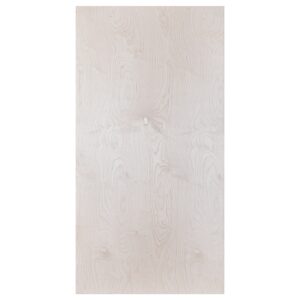
The 12mm NoMorePly Fibre Cement Board A1 Non-Combustible 2400 x 1200mm (8′ x 4′) is the heavyweight of the NoMorePly range, a construction board from NoMorePly, a UK brand by STS Ltd. It is made from Portland cement, treated with cellulose fibres, sand and water, compacted under pressure into a dense, high-strength sheet. There is no fibreglass mesh in the board, which helps make cutting easier and keeps the board 100% recyclable on site.
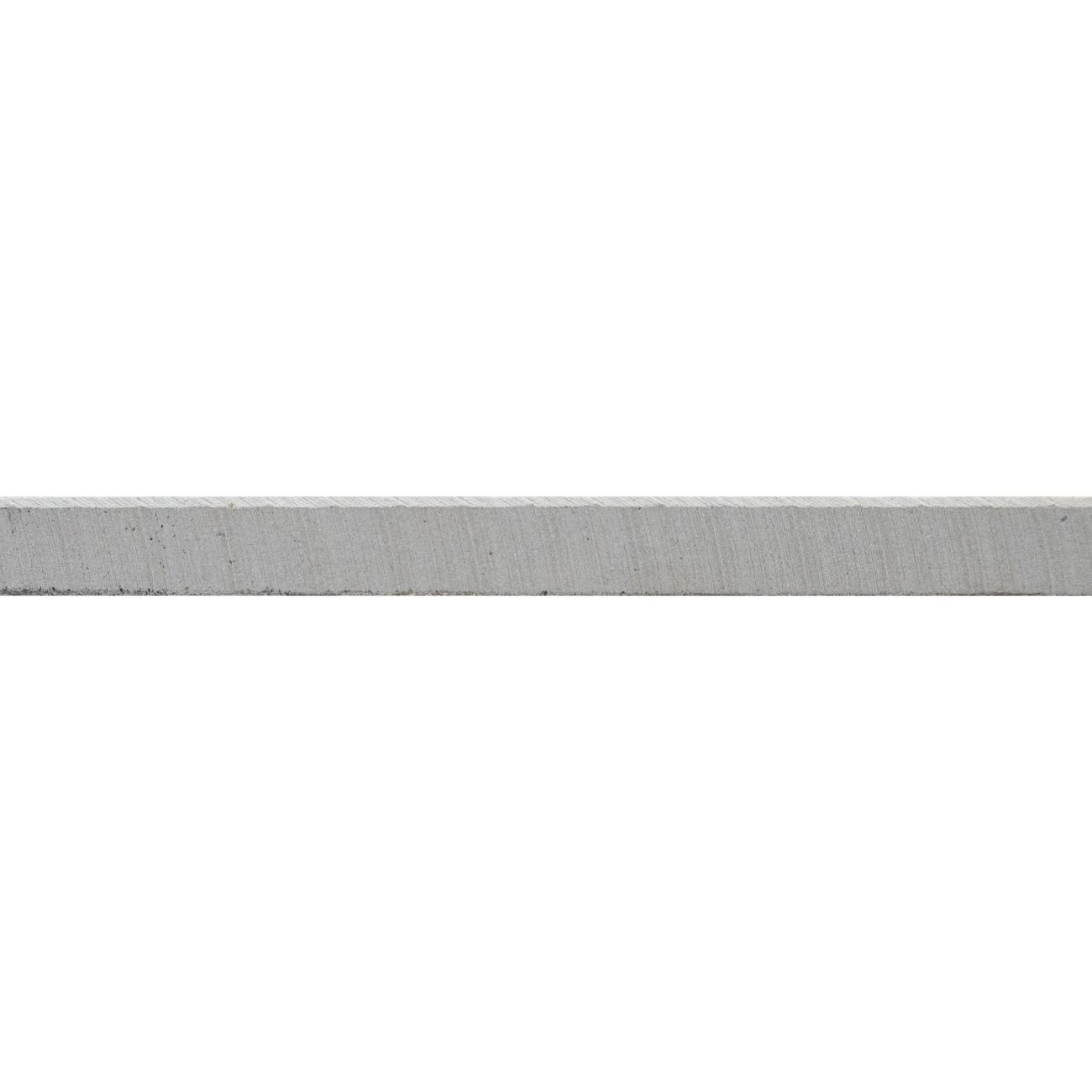
At 12mm and 45kg per 2400 x 1200mm sheet, this is the board to reach for when the build-up needs enhanced fire performance, impact resistance and heavy-duty sheathing performance, not just a decorative finish. It is the natural step up from the 6mm tile backer and the 9mm render-and-racking board: thicker, stronger, and the thickness supported by the supplied BS 476 fire-resistance test documentation.
| Feature |
12mm
Construction Board |
Timber |
Plasterboard |
Magnesium
oxide (MgO) |
| Termite resistant |
✓ |
– |
– |
✓ |
| External tiling applications |
✓ |
– |
– |
✓ |
| Water resistant |
✓ |
– |
– |
✓ |
| Strong / Heavy duty |
✓ |
✓ |
– |
✓ |
| Chloride free |
✓ |
✓ |
✓ |
– |
| 100% recyclable |
✓ |
✓ |
– |
– |
| Quick & easy to install |
✓ |
– |
✓ |
✓ |
| Excellent thermal mass |
✓ |
– |
– |
– |
| Direct fix / high pull-out strength |
✓ |
✓ |
– |
– |
| A1 fire rated |
✓ |
– |
– |
✓ |
| Zero gypsum content |
✓ |
✓ |
– |
– |
| Lifetime guarantee |
✓ |
– |
– |
– |
Where it sits against the 6mm and 9mm
The 6mm covers tile backing and wetroom lining. The 9mm adds racking performance and render-carrying duty. The 12mm goes further again: it carries the same Category 1 racking rating as the 9mm, but it is the thickness STS put through full BS 476: Part 22 fire-resistance testing, and the one its BDA Agrément is written around. If the job is a party wall, a spandrel panel, a high-impact surface, or anything where a fire-resistance period has to be evidenced, this is the correct board rather than the thinner two.
No fibreglass mesh, and why that matters
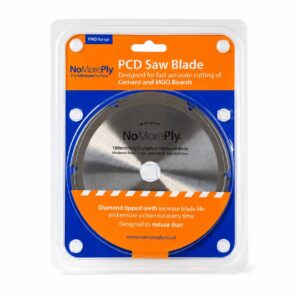
Most cement tile backers and sheathing boards rely on a fibreglass mesh to hold them together. NoMorePly doesn’t. The strength comes from cellulose fibres bound into the cement, which has two practical payoffs. Cutting is faster and the edges are tidier because there is no mesh for the blade to fight, and the offcuts are 100% recyclable rather than landfill because there is no glass to separate out. Cutting mesh-reinforced boards is also a known skin and lung irritant, which NoMorePly avoids. STS recommends cutting with a PCD (polycrystalline diamond) blade and a dust extractor for a clean, low-dust cut.
Fire performance
NoMorePly carries a Euroclass A1 reaction-to-fire classification to BS EN 13501-1, tested under EN ISO 1182 and EN ISO 1716, the top non-combustible rating possible. Its BDA Agrément confirms the board’s Euroclass A1 non-combustible classification for the assessed applications. Beyond the material rating, the 12mm board has been fire-resistance tested as a built partition: in a Warringtonfire test to BS 476: Part 22 (report 431114/R), a non-loadbearing partition clad both sides with 12mm NoMorePly over a steel frame achieved 138 minutes integrity. That figure belongs to the tested wall build-up, not the bare board, so the right fire period for your project comes from matching the tested system, and STS technical can confirm it.
Water and durability
NoMorePly is water resistant and weatherproof, which is what makes it suitable for both internal and external use. The board passes the full BS EN 12467:2016+A1:2016 durability suite: freeze-thaw, soak-dry, warm water and heat-rain. On site it can be left exposed to the weather during the construction phase, typically up to three months before rendering, with joints protected; for permanent external exposure a weather-protective coating or render system is required. The board has a density of 1.28 g/cm³ and linear moisture movement of just 0.16%, so it remains dimensionally stable in damp conditions and resistant to moisture-related deterioration. Bending strength is 12.46 MPa dry and 12.91 MPa saturated, compression strength is 14.42 MPa, thermal conductivity is 0.24 W/mK, and minimum life expectancy is 30 years (the BDA Agrément expects a service life matched to a building lifespan of at least 60 years). Unlike timber-based sheet materials, fibre cement is less vulnerable to moisture-related movement and deterioration. STS testing indicates recovery of performance after drying, which is why the board is commonly used in bathrooms, wetrooms and other damp internal areas. The board is UKCA marked and holds BDA Agreement certification (BAW-20-164-P-A-UK).
Racking and acoustic performance
Tested to BS EN 594:2011, the 12mm board reaches Category 1 racking strength, meaning it contributes to the racking resistance of a timber or steel-frame wall rather than just covering it. Independent racking tests recorded a calculated resistance well above the 1.68 kN/m needed for Category 1. The board can also accept certain wall-mounted fixings directly, depending on fixing type and load requirements, so lighter fittings such as shelves, mirrors and rails can be fixed into the board itself, with heavier items like grab rails and cabinets taken back into the studwork. On acoustics, a partition clad one layer each side gives an airborne sound reduction of 42 dB Rw, rising to 50 dB with 15mm resilient bars behind the front face, which is why the board is widely specified for party walls in flats, student accommodation and multi-occupancy buildings.
Applications
This thickness suits the heavier-duty end of the range:
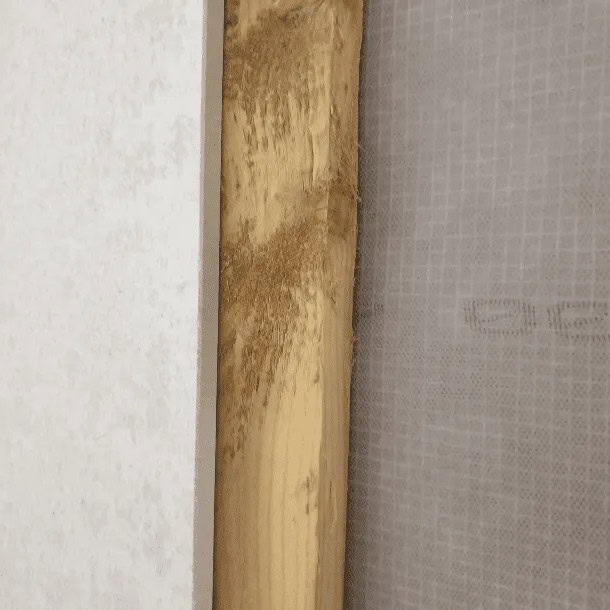
- External render carrier on timber frame, light gauge steel frame and modular/offsite builds, with a ventilated cavity behind
- Internal and roof-space party fire walls and spandrel panels
- Sheathing board contributing to wall racking resistance
- Backing board behind wood-burning stoves and boilers, and oil tank surrounds
- High-impact wall lining in schools, commercial and high-traffic areas
- Wetroom and bathroom tile backing where a thicker, more impact-resistant board is wanted
- A direct alternative to plasterboard where fire, impact and damp resistance matter
As a render carrier it is endorsed by major render manufacturers including K-Rend, Atlas and Ecorend. The render system itself, and any direct cladding system, carries its own separate performance verification.