

Plywood
Plywood variants fall into three categories: exterior (WBP), interior (MR), and marine. Even though most people use Weather and Boil Proof or Water and Boil Proof (WBP) to describe exterior plywood, that descriptor has not been in use for some time.
Individual species’ endurance did not factor into the previous WBP standard, which only considered the adhesive type. The British Standards were amended for clarification to eliminate confusion.
An entirely exterior board would need to fulfil EN 636: Class 3 or at least Class 2, where the adhesive of EN 314-2: Class 3 is used in conjunction with a suitable biologically resistant wood species.
What is plywood?
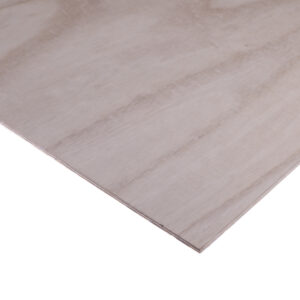
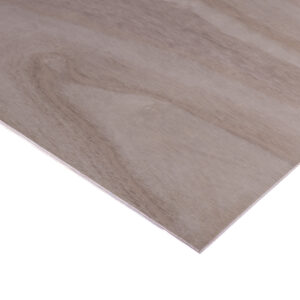
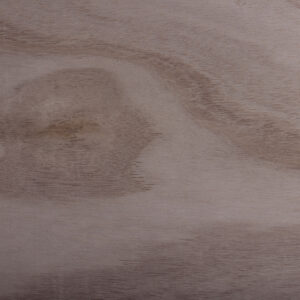
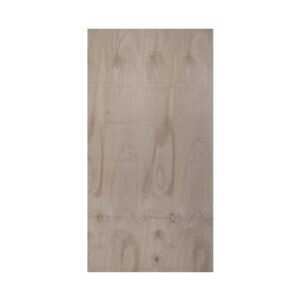
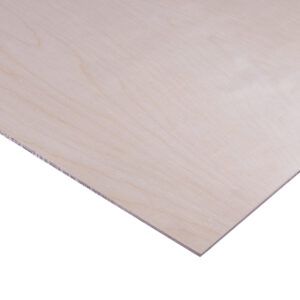
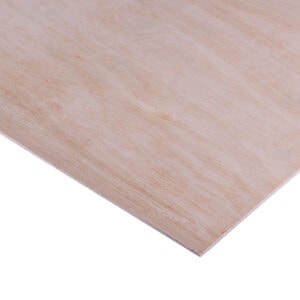
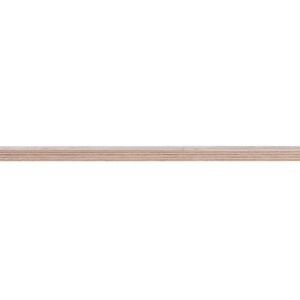
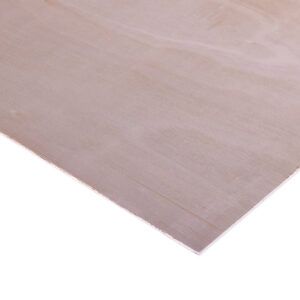
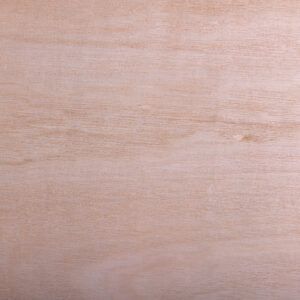
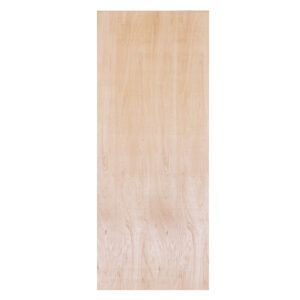
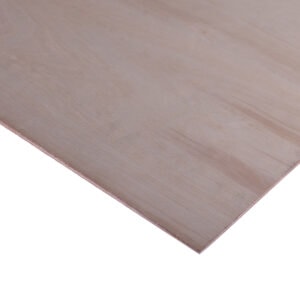
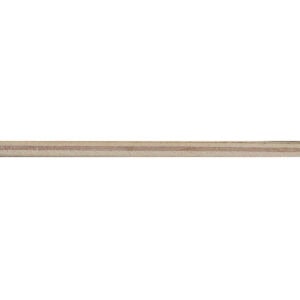
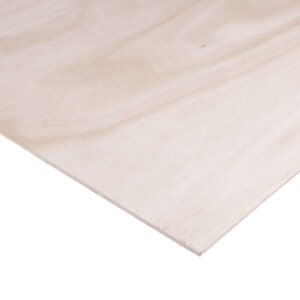
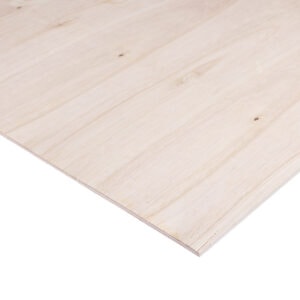
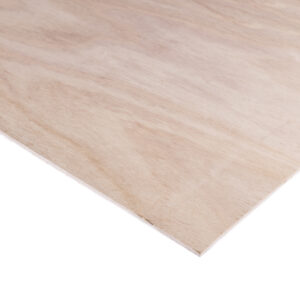
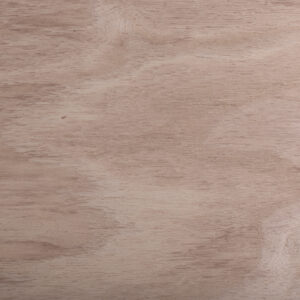
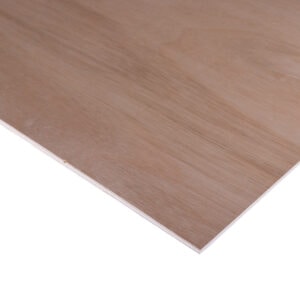
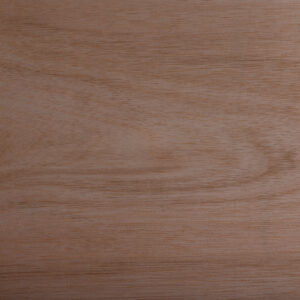
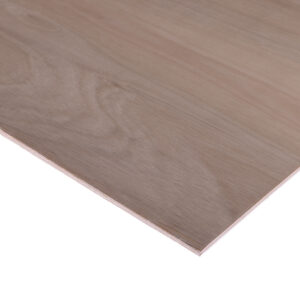
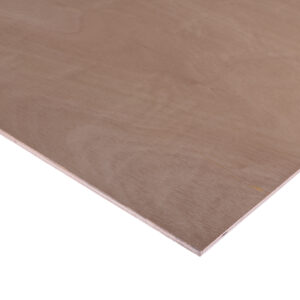
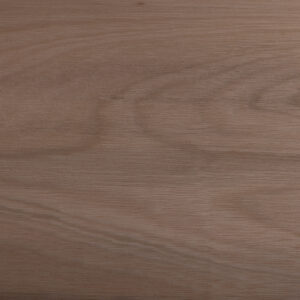
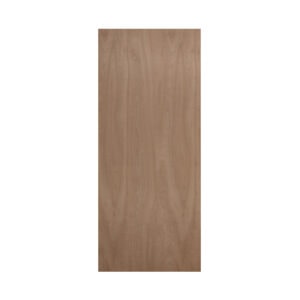
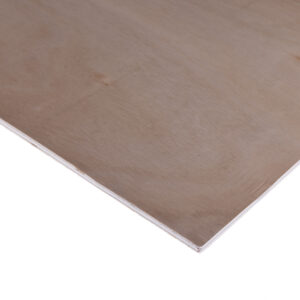
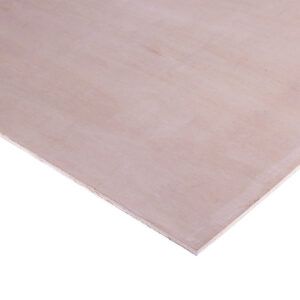
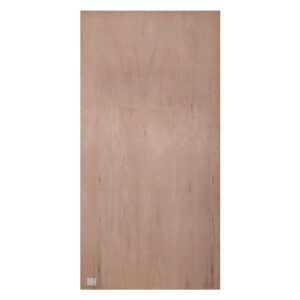
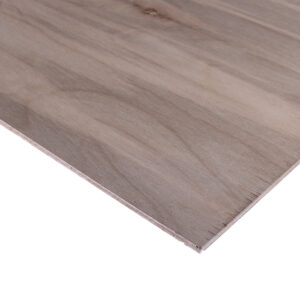
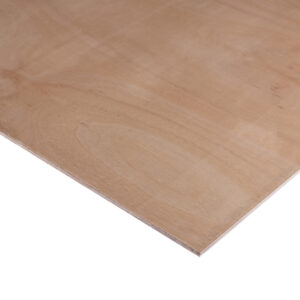
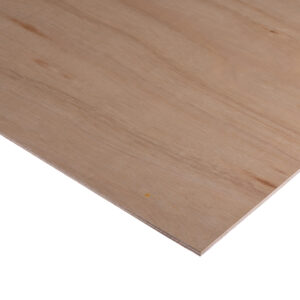
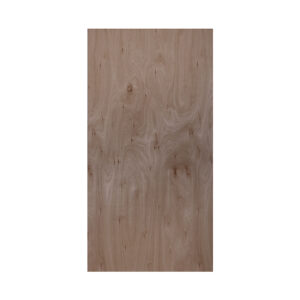
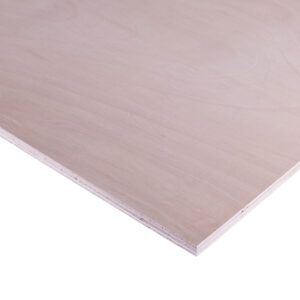
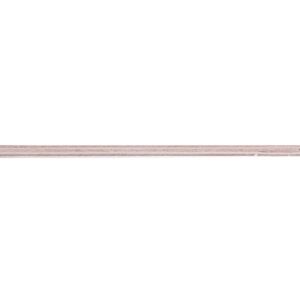
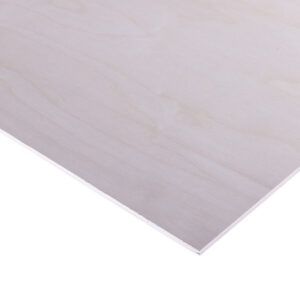
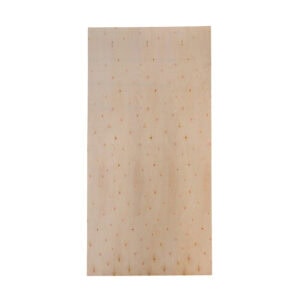
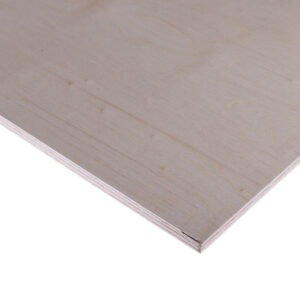
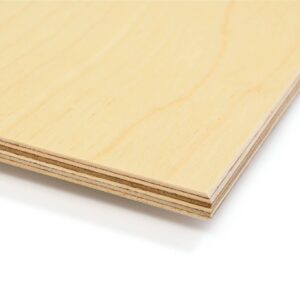
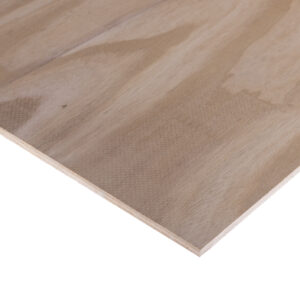
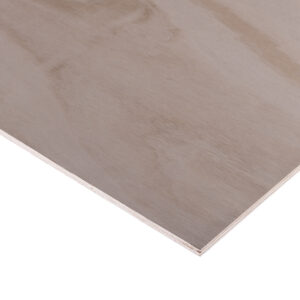
Plywood comprises narrow “plies” of wood veneer bonded together with the wood grain of the adjoining layers at 90 degrees from one another. A ply sheet is made by glueing wood veneers in its most basic form.
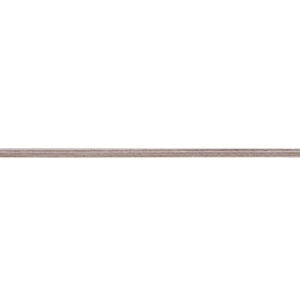
The alternated layers of plywood limit the organic movement of wood, which tends to expand and contract with moisture along the grain, leaving it more structurally stable. Because of its construction and materials, plywood doesn’t easily bend, break, crack or shrink. Three plies are the very minimum, although more are frequently preferred.
How is plywood made?
Plywood components are constructed differently based on how they will be utilised. If plywood is used for building, it is flattened into huge, sheet form. It can be made in custom curves if it is needed for furniture, boats, aeroplanes, or other complex structures.
Each layer of plywood has an angled grain. This reduces the potential of shrinking while retaining the strength and longevity of the layer. The plywood is made up of at least three layers of wood that are subsequently glued together.
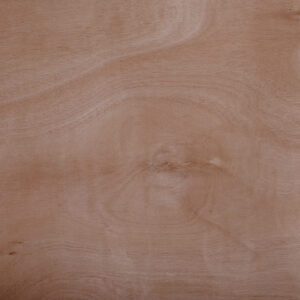
The front and back of the plywood are its two outer surfaces. The face is typically the visible half, while the rear is obscured from view. When 5+ plies are present, the extra internal layers are called the crossbands, while the primary layer is called the core.
Types of plywood
Plywood variants are made to work in specific environments, so you have to know what they are made for when buying. Here are some of the most common types:
Marine plywood
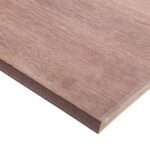
Also known as WBP or boiling waterproof plywood, it is commonplace in the boat-making industry, given its high water resistance. Marine plywood is derived from Western Larch and Douglas fir. It is not naturally water resistant and requires treatment before use in marine applications and sometimes outdoor beachside furniture.
Birch plywood
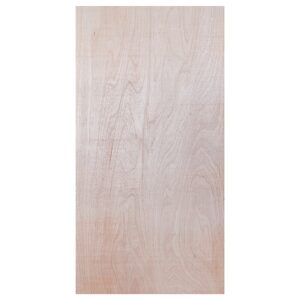
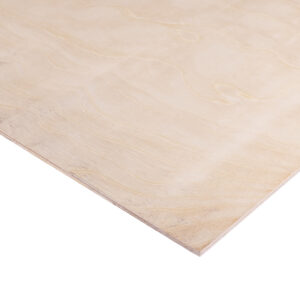
Birch plywood is a hardwood variant made from deciduous trees of the same name. Birch plywood boards are used in various applications, including home renovations, formwork, millwork, industrial and structural work, minor construction, and underlayment.
Plywood flooring
Plywood flooring is a form of flooring that leverages plywood board instead of other materials. Plywood flooring usually comes with regional approval stamps, improved cross-graining, a high-stress rating, higher quality bonding, preservative treatment, and specialised finishing to withstand floor stress.
Exterior plywood
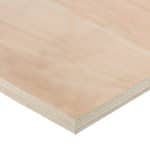
Exterior plywood is designed for outdoor use. The design gives it weather resistance, with specific or broad design adaptations for different environments. It often comes from Douglas Fir and is fused with waterproof glue to make it durable.
Interior plywood
Interior plywood is designed for indoor use. However, that doesn’t mean it is less desirable than outdoor counterparts since you can get variants with moisture and boiling water resistance. Interior plywood can make wall panelling, partitioning, cabinets, furniture, the ceiling, floors, and more.
Phenolic plywood
Phenolic plywood cores utilise several stacked, thin birch wood planks.
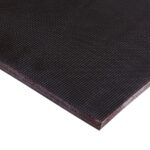
The veneer is made of birch, thick paper, and various appropriate wood types and covers the core. Its veneers are covered and soaked in a synthetic resin called phenolic, giving it the name. Given its safety, moisture protection, and durability, it is used for fixtures, floors, and furniture.
Hardwood plywood
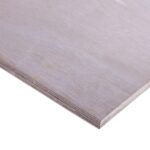
Hardwood plywood, as the name indicates, is constructed from hardwoods and is designed to be durable. Typically, the design has three or more layers and is created with a hardwood face and back veneer, as well as a hardwood or softwood core, before being faced and backed with a finish/veneer. It is frequently used in ornamental projects, millwork, cabinetry, and furniture construction.
Shuttering plywood
Shuttering plywood is specially densified plywood, which gives it at least nine layers of core veneers fused under high pressure and temperature. It comes with slick film on both faces of the board since it is primarily used in construction formwork to hold cement and put up ceilings. The pattern strengthens this plywood to carry a heavy load of concrete mixes and ceilings without breaking.
Flexible plywood
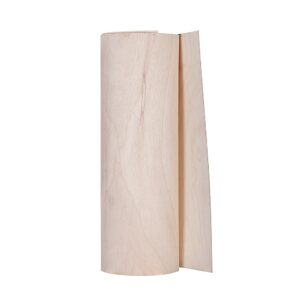
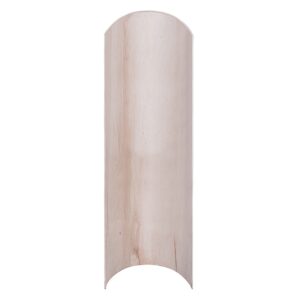
Flexible plywood has a unique structure that makes it easy to bend without breaking. The precise bending radii must be chosen based on the surface finishing required and the area of the surface to be treated. The bend forms an arc perpendicular to the grain orientation of the face and is ideal for veneering, furniture building, and ornamental reasons.
Poplar plywood
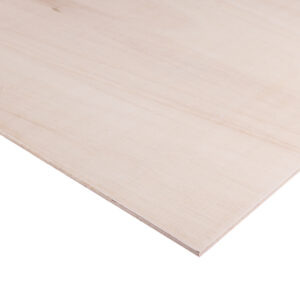
Poplar plywood offers a broad array of uses, is adaptable, and ranks among the most preferred plywood alternatives. Furthermore, numerous coatings may be put on poplar plywood to boost resistance and lifespan while blending well with the colour palettes used in your house. This is due to its ease of cutting, versatility, low weight, and sustainability.
Softwood plywood
Softwood plywood features a softwood veneer on the back and face. Softwood plywood panels are useful for structural applications because they feature a softwood or hardwood core and a softwood veneer on the face or back.
Fire-rated plywood
Fire-rated plywood is a kind that has been treated to slow or significantly minimise the impact of fire. During a fire, the substances in the wood lead it to char, limiting the spread of the fire and minimising oxidation. It is also made to last and is frequently utilised in construction owing to its unique qualities.
Formwork plywood
Formwork is a term used to describe a plywood application. Formwork plywood, also known as shuttering plywood, MDO-faced plywood, wood veneer-faced plywood, or film-faced plywood, is a type of plywood used to cast forms, particularly with concrete mixes or when surfaces demand lightweight but sturdy outer layers.
8×4 plywood
The “8×4” in the name refers to the size of the plywood rather than the kind. They are referring to 8-foot-by-4-foot plywood (an industry standard), which is comparable to 2440mm by 1220mm.
Large plywood sheets
Large plywood sheets can be purchased in bespoke sizes based on the needs of your project. Because plywood is easy to cut, it is simple to work with. The bigger sizes are available in the form of utility plywood, which may be 5 feet wide and 10 feet long.
Decorative plywood
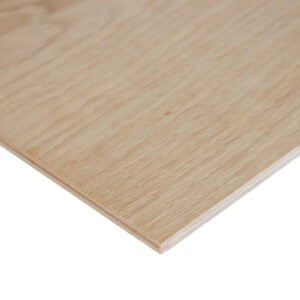
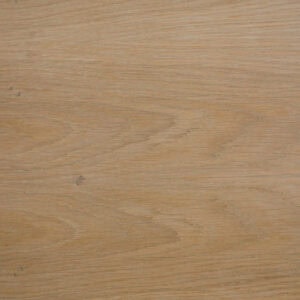
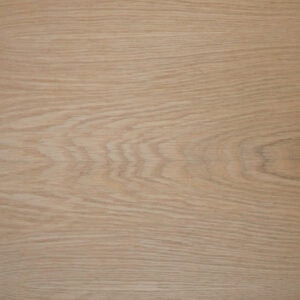
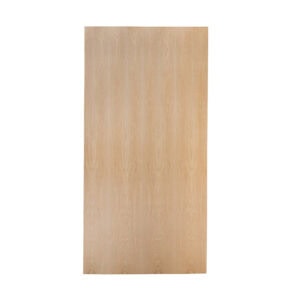
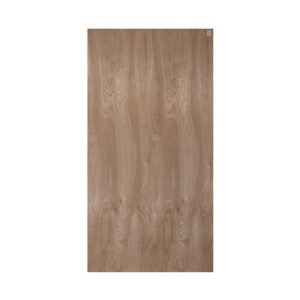
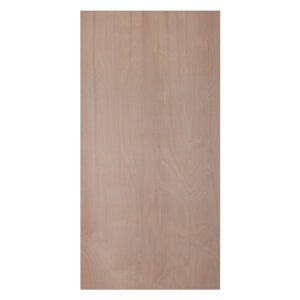
This plywood sheet is made for visible joinery, furniture panels, shopfitting and interiors where you want a cleaner finish straight off the saw. In this range, you will find sheets of plywood with oak veneered faces, as well as boards with a melamine surface for a crisp, wipe-clean look. Some options come with good reverse veneers too, which help when both sides will be on show. If you want to buy plywood for fitted work, this type keeps the finish consistent and saves time on extra layering.
Beech faced plywood
Beech-faced plywood is chosen for control and consistency. The beech veneer gives a fine, even grain and a harder surface compared to many decorative ply options. This makes the ply sheet suitable for joinery, internal fit-outs and furniture parts that see regular handling or contact. The beech face provides a stable base for clear finishes and light staining, keeping colour uniform across sheets of plywood within the same project. It is often used where clean lines and repeatable results matter more than strong visual contrast. Under the surface, the plywood sheet keeps its layered strength and dimensional stability, so it stays reliable during cutting, fixing and installation.
Melamine plywood
Melamine plywood is chosen when you need a clean, finished surface. The face comes ready to use. No extra laminating. No painting. The melamine layer is hard-wearing and easy to wipe down. This makes the ply sheet suitable for cabinets, shelving and fitted furniture. It works well in spaces that see daily use. Under the surface, it is still a plywood sheet. Stable. Easy to cut. Simple to fix. If you want to buy plywood that saves time on site and keeps the plywood price under control, this option makes sense.
Eucalyptus plywood
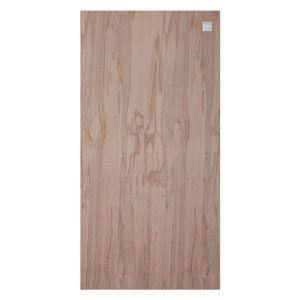
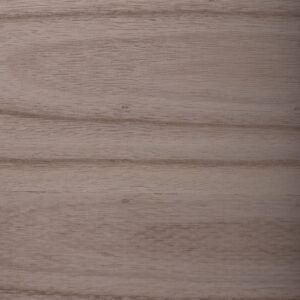
Eucalyptus ply is a strong plywood sheet made from eucalyptus veneers. The hardwood face has a tight grain and good natural durability. This makes it suitable for joinery, furniture carcasses and internal fit-outs. The board stays stable during cutting and fixing. It resists warping and twisting, so sheets of plywood stay flat on site. If you want to buy plywood that feels solid and dependable, eucalyptus ply is a practical choice.
Veneered plywood
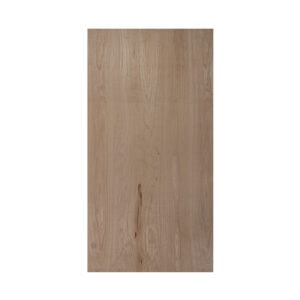
Veneered ply is a plywood sheet with a thin wood layer glued to the face. The veneer gives a natural wood look. This type is useful for furniture fronts, wall panels and joinery where appearance matters. Under the veneer, the board keeps the strength and stability of layered plywood. You still get a reliable ply sheet that cuts and fixes like any other board.
Q Mark plywood
This plywood sheet has a poplar core. The face is hardwood veneer. The board is lighter than many hardwood panels. It still stays strong in use. The Q-Mark grading confirms that the sheets meet structural control standards. It gives clear tolerance on thickness, which is important for roofing, flooring and wall construction. Depending on thickness, sheets of plywood can be used for internal structures, bracing, boarding and general construction work.
Buffalo board
Buffalo Board is a heavy-duty plywood sheet made for tough site conditions. It is built with a dense core and hard-wearing faces, giving the board high strength and impact resistance. This type of ply sheet is often used for flooring, hoardings, ramps and temporary works where standard sheets of plywood may not last. It holds fixings well and stays stable under load. If you need to buy plywood for demanding use, Buffalo Board is chosen for durability rather than finish.
Why choose our plywood sheet?
When you buy plywood, the difference is not only in the sheet itself. It is in how it is sourced, priced, packed and delivered. At Sheet Materials Wholesale, plywood is treated as a working material, not just a product name on a page.
Our plywood sheets come straight from reliable manufacturers and are kept in UK stock, ready for real projects. Whether you need a single ply sheet for home projects or bulk sheets of plywood for site use, you get the same clear approach to quality and supply.
Pricing is built for people who actually use plywood. We offer a competitive plywood price, volume discounts and pallet deals, so larger orders give real value for money. Trade customers can access trade discounts, and bulk or wholesale quantities are easy to quote.
Delivery works around your schedule. Fast UK delivery is available nationwide, with next-day delivery on many plywood sheets. Orders can be delivered to the site or to a home address. Kerbside delivery is available. You can track your order from dispatch to delivery. A VAT invoice is provided with every order.
Our plywood is responsibly sourced. FSC-certified options are available. Sheets are stored correctly and checked before dispatch. They arrive flat, clean and ready to use on your project.
If you need help choosing the right plywood sheet, a fast quote or advice on quantities, the team offers quotes in minutes and works with both trade and DIY customers. The goal is simple. To make buying plywood straightforward, priced properly and delivered without friction.
FAQ
Where to buy plywood?
You can buy plywood from Sheet Materials Wholesale online. Choose the plywood sheet you need, check the plywood price and order in minutes. Most sheets of plywood are available with next-day UK delivery.
Can plywood be laser cut?
Plywood can be laser cut, but results vary by sheet. The glue, thickness and core make a real difference. You need to choose a plywood sheet that matches your laser and the finish you want.
Can plywood be used outside?
Yes, plywood works outside when you choose the right grade. Exterior and marine plywood are made with waterproof glue and handle rain, damp and temperature changes well. They are a solid choice for sheds, outdoor furniture, and exterior building materials.
Can plywood be painted?
Yes, plywood takes paint well. A quick sand makes the surface smoother. Primer gives a cleaner finish. Do the edges first; they take in far more paint than the face.
Which plywood is best for furniture?
Birch plywood is a popular pick for furniture builds. It is strong, flat and looks clean. Hardwood plywood also works if the plywood price is a concern.
-
Decorative Plywood (23)
-

Beech Faced Plywood (12)
-
Buffalo Board (34)
-
Melamine Plywood (9)
-
Eucalyptus Plywood (23)
-
Plywood Cut To Size (200)
-
Veneered Plywood (11)
-
Marine Plywood (7)
-

Birch Plywood (44)
-
Plywood Flooring (18)
-
Exterior Plywood (170)
-
Phenolic Plywood (34)
-
Hardwood Plywood (154)
-
Shuttering Plywood (25)
-
Flexible Plywood (6)
-
Poplar Plywood (41)
-
Softwood Plywood (48)
-
Fire Retardant Plywood (12)
-
Formwork Plywood (5)
-
Interior Plywood (15)
-
Q Mark Plywood (8)
-
Large Plywood (20)
-
8x4 Plywood (195)
-
Plywood By Thickness (255)
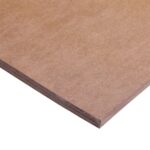
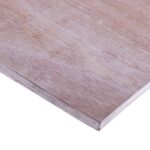
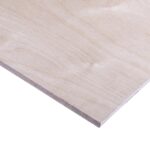
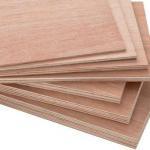
Showing 1–32 of 262 results
-
Buy in Bulk & Save
50-99 100+ £15.83£19.00 £14.95£17.94  There are 3 more images
3mm Flexible Plywood Cross Grain 1220mm x 2440mm (4′ x 8′)
A 3mm cross-grain design means that the grain pattern goes across the sheet, and the short edge of the sheet bends to join with the short edge. This flexible plywood panel is commonly called bendy plywood or flexibly, and is used extensively in furniture and shopfitting, wherever curves are desirable, thus demanding a panel that is extremely flexible.
£17.59£21.11 Ex VATInc VAT Add to cart -
Buy in Bulk & Save
50-99 100+ £16.01£19.21 £14.95£17.94 There are 1 more images3mm Flexible Plywood Long Grain 2440mm x 1220mm (8′ x 4′)
This flexible 3mm plywood panel is commonly called bendy plywood or flexibly, and is used extensively in furniture and shopfitting, wherever curves are desirable, thus demanding a panel that is extremely flexible.
£17.59£21.11 Ex VATInc VAT Add to cart -
Buy in Bulk & Save
150-299 300+ £23.61£28.33 £22.37£26.84 3mm Birch Plywood Throughout BB/BB 1525mm x 1525mm (5′ x 5′)
This 3mm 5×5 Birch plywood is often referred to as laser ply. It is often used for curved work, laminating layers, drawer bottoms, cabinet backs and laser/CNC projects. It is super light and easy to cut. For interior use only.
£24.85£29.82 Ex VATInc VAT Add to cart -
Buy in Bulk & Save
125-249 250+ £6.83£8.20 £6.39£7.67 3.6mm Chinese Eucalyptus Face Poplar Core External Grade Plywood B/BB CE4 2440mm x 1220mm (8′ X 4′)
Hardwood Eucalyptus faced structural plywood is used in permanent structures where the board is likely to be used in humid or interior conditions. This high-grade structural panel is less prone to bending and twisting and, with its excellent strength to weight ratio, makes it versatile and easy to handle.
£7.34£8.81 Ex VATInc VAT Add to cart -
SaleBuy in Bulk & Save
85-169 170+ £16.67£20.00 £15.80£18.96 3.6mm Chinese Hardwood Face Eucalyptus Poplar Core External Grade Plywood B/BB CE2+ 3050mm x 1220mm (10′ x 4′)
Hardwood faced structural plywood is used in permanent structures where the board is likely to be used in humid or interior conditions.
This high-grade structural panel is less prone to bending and twisting and, with its excellent strength to weight ratio, makes it versatile and easy to handle.
Original price was: £18.09 Ex VAT (£21.71 Inc VAT).£17.55£21.06Current price is: £17.55 Ex VAT (£21.06 Inc VAT). Ex VATInc VAT Add to cart -
3.6mm Chinese Hardwood Face Eucalyptus Poplar Core External Grade Plywood B/BB CE2+ 3050mm x 1525mm (10′ x 5′) Pack of 170
Hardwood faced structural plywood is used in permanent structures where the board is likely to be used in humid or interior conditions.
This high-grade structural panel is less prone to bending and twisting and, with its excellent strength to weight ratio, makes it versatile and easy to handle.
£3,188.06£3,825.67 Ex VATInc VAT£18.75£22.50 Per Sheet Add to cart -
3.6mm Chinese Hardwood Combi Core External Grade Plywood B/BB CE2+ 2440mm x 1220mm (8′ x 4′) Pack of 250
COMBI is short for combination. Combi core is a mixture of poplar veneer and eucalyptus veneer. The combi plywood is a balance between poplar plywood and eucalyptus plywood.
£1,607.40£1,928.88 Ex VATInc VAT£6.43£7.72 Per Sheet Add to cart -
3.6mm Malaysian Hardwood External Grade Plywood BB/CC 2440mm x 1220mm (8′ x 4′) Pack of 250
Our Malaysian structural plywood provides homeowners and merchants with a superior solution for interior and exterior applications using the highest quality tropical species. The veneers of Malaysian plywood are generally thicker than those of other plywood. The veneers of Malaysian plywood are generally thicker than those of other plywood. Remember to seal the sheets before using them externally ( i.e. exposed to weather conditions).
£2,257.92£2,709.50 Ex VATInc VAT£9.03£10.84 Per Sheet Add to cart -
Buy in Bulk & Save
25-49 50+ £33.20£39.84 £31.46£37.75 There are 1 more images3.6mm Oak Veneered Poplar Plywood 1 Side Crown Cut A/CC 2440mm x 1220mm (8′ X 4′)
Oak poplar plywood 3.6mm glued to the wood surface increases the beauty and charm of the furniture that no other decorative panels can. This is a much stronger and more durable version of the veneered board.
£34.95£41.94 Ex VATInc VAT Add to cart -
Buy in Bulk & Save
100-199 200+ £37.44£44.93 £35.47£42.56 4mm Birch Plywood Throughout B/BB 2440mm x 1220mm (8′ x 4′) FSC®
Birch plywood is made from only Birch veneers. Inner veneers are thicker than outer veneers, glued and laid up in alternating directions to the required thickness. It thus provides a superbly consistent strong panel with known engineering characteristics.
£39.41£47.29 Ex VATInc VAT Add to cart -
Buy in Bulk & Save
100-199 200+ £27.42£32.90 £25.97£31.16 4mm Birch Plywood Throughout BB/BB 1525mm x 1525mm (5′ x 5′)
This 4mm 5×5 Birch plywood is often referred to as laser ply. It is often used for curved work, laminating layers, drawer bottoms, cabinet backs and laser/CNC projects. It is super light and easy to cut. For interior use only.
£28.86£34.63 Ex VATInc VAT Add to cart -
Buy in Bulk & Save
90-179 180+ £21.17£25.40 £20.05£24.06 There are 4 more images5mm Flexible Plywood Cross Grain 1220mm x 2440mm (4′ x 8′)
A cross-grain design means that the grain pattern goes across the sheet, and the short edge of the sheet bends to join with the short edge. This flexible plywood panel is commonly called bendy plywood or flexibly, and is used extensively in furniture and shopfitting, wherever curves are desirable, thus demanding a panel that is extremely flexible.
£22.28£26.74 Ex VATInc VAT Add to cart -
Buy in Bulk & Save
90-179 180+ £20.75£24.90 £19.66£23.59 There are 2 more images5mm Flexible Plywood Long Grain 2440mm x 1220mm (8′ x 4′)
This flexible plywood panel is commonly called bendy plywood or flexibly, and is used extensively in furniture and shopfitting, wherever curves are desirable, thus demanding a panel that is extremely flexible.
£21.84£26.21 Ex VATInc VAT Add to cart -
Buy in Bulk & Save
82-164 165+ £8.71£10.45 £7.97£9.56 5.5mm Chinese Eucalyptus Face Poplar Core External Grade Plywood B/BB CE4 2440mm x 1220mm (8′ X 4′)
Hardwood Eucalyptus faced structural plywood is used in permanent structures where the board is likely to be used in humid or interior conditions. This high-grade structural panel is less prone to bending and twisting and, with its excellent strength to weight ratio, makes it versatile and easy to handle.
£9.27£11.12 Ex VATInc VAT Add to cart -
Buy in Bulk & Save
55-109 110+ £20.44£24.53 £19.86£23.83 There are 1 more images5.5mm Chinese Hardwood Face Eucalyptus Poplar Core External Grade Plywood B/BB CE2+ 3050mm x 1220mm (10′ x 4′)
Hardwood faced structural plywood is used in permanent structures where the board is likely to be used in humid or interior conditions. This high-grade structural panel is less prone to bending and twisting and, with its excellent strength to weight ratio, makes it versatile and easy to handle.
£21.02£25.22 Ex VATInc VAT Add to cart -
SaleBuy in Bulk & Save
55-109 110+ £23.22£27.86 £22.57£27.08 5.5mm Chinese Hardwood Face Eucalyptus Poplar Core External Grade Plywood B/BB CE2+ 3050mm x 1525mm (10′ x 5′)
Hardwood faced structural plywood is used in permanent structures where the board is likely to be used in humid or interior conditions. This high-grade structural panel is less prone to bending and twisting and, with its excellent strength to weight ratio, makes it versatile and easy to handle.
Original price was: £24.50 Ex VAT (£29.40 Inc VAT).£23.88£28.66Current price is: £23.88 Ex VAT (£28.66 Inc VAT). Ex VATInc VAT Add to cart -
5.5mm Fire Retardant Plywood Euroclass B 2440mm x 1220mm (8′ x 4′) FSC® Pack of 165
Fire retardant plywood is not suitable for structural use and is treated using chemicals that make it unable to oxidize. It makes it hard to burn. Where applied, the FRT plywood will char when on fire but will not burn. Thus, it can significantly reduce the progress of a fire.
£5,377.35£6,452.82 Ex VATInc VAT£32.59£39.11 Per Sheet Add to cart -
5.5mm Chinese Hardwood Combi Core External Grade Plywood B/BB CE4+ 2440mm x 1220mm (8′ x 4′) Pack of 165
COMBI is short for combination. Combi core is a mixture of poplar veneer and eucalyptus veneer. The combi plywood is a balance between poplar plywood and eucalyptus plywood.
£1,413.06£1,695.67 Ex VATInc VAT£8.56£10.27 Per Sheet Add to cart -
5.5mm Malaysian Hardwood External Grade Plywood BB/CC 2440mm x 1220mm (8′ x 4′) Pack of 165
Our Malaysian structural plywood provides homeowners and merchants with a superior solution for interior and exterior applications using the highest quality tropical species. Remember to seal the sheets before using them externally (i.e. exposed to weather conditions).
£1,986.00£2,383.20 Ex VATInc VAT£12.04£14.45 Per Sheet Add to cart -
5.5mm CFA Approved Hardwood Flooring Underlay Plywood Eucalyptus Throughout 2440mm x 1220mm (8′ x 4′) FSC® Pack of 165
TSU-01 is a SP101 direct alternative that is CFA approved and BS 8203 meeting or exceeding many regulations. Plywood density is 585-650kg/m3 and is mainly used as flooring plywood. The veneers of this 5.5mm flooring plywood are 1.3mm thick in order to prevent blisters and weak bonds. It also is constructed of 4 veneers instead of usual 3 layers. If you are looking to save some cash with something as high-performing as SP101, this is the plywood to go for your flooring project.
£3,197.95£3,837.54 Ex VATInc VAT£19.38£23.26 Per Sheet Add to cart -
5.5mm Eucalyptus Throughout Premium Hardwood Plywood B/BB 2440mm x 1220mm FSC®
5.5mm Chinese Eucalyptus Hardwood Plywood is a structural plywood that provides homeowners and merchants with a superior solution for interior and exterior applications using the highest quality species. Remember to seal the sheets before using them externally (i.e. exposed to weather conditions).
Original price was: £12.25 Ex VAT (£14.70 Inc VAT).£11.34£13.61Current price is: £11.34 Ex VAT (£13.61 Inc VAT). Ex VATInc VAT Add to cart -
5.5mm CFA Approved Hardwood Flooring Underlay Plywood Eucalyptus Throughout 2440mm x 1220mm (8′ x 4′) FSC®
TSU-01 is a SP101 direct alternative that is CFA approved and BS 8203 meeting or exceeding many regulations. Plywood density is 585-650kg/m3 and is mainly used as flooring plywood. The veneers of this 5.5mm flooring plywood are 1.3mm thick in order to prevent blisters and weak bonds. It also is constructed of 4 veneers instead of usual 3 layers. If you are looking to save some cash with something as high-performing as SP101, this is the plywood to go for your flooring project.
Original price was: £23.24 Ex VAT (£27.89 Inc VAT).£22.54£27.05Current price is: £22.54 Ex VAT (£27.05 Inc VAT). Ex VATInc VAT Add to cart -
SaleBuy in Bulk & Save
82-164 165+ £11.86£14.23 £11.36£13.63 5.5mm Beech Faced Chinese Hardwood Koala External Grade Plywood B/BB CE2+ 2440mm x 1220mm (8′ x 4′) FSC®
5.5mm “Koala” is an exterior grade, cost-effective, high-quality hardwood plywood, a direct alternative to a well known Jade 72. It is known that Koala has a better core and is better suited for CNC machinery. This versatile plywood that provides a good finish. It is ideal for outdoor use once sealed with a suitable coating or preservative.
Original price was: £15.75 Ex VAT (£18.90 Inc VAT).£12.35£14.82Current price is: £12.35 Ex VAT (£14.82 Inc VAT). Ex VATInc VAT Add to cart -
Buy in Bulk & Save
75-149 150+ £19.48£23.38 £17.18£20.62 There are 1 more images6mm Far Eastern Marine Grade Plywood 2440mm x 1220mm (8′ x 4′) BS1088
It is excellent hardwood plywood engineered with waterproof glue. This plywood is not chemically treated; therefore, it is not resistant to rot. 6mm Marine plywood Q-mark has good grades, are robust, lightweight and defect-free.
£20.95£25.14 Ex VATInc VAT Add to cart -
Buy in Bulk & Save
50-99 100+ £55.96£67.15 £51.24£61.49 6mm Birch Plywood Throughout B/BB 2440mm x 1220mm (8′ x 4′) FSC®
Birch plywood is made from only Birch veneers. Inner veneers are thicker than outer veneers, glued and laid up in alternating directions to the required thickness. It thus provides a superbly consistent strong panel with known engineering characteristics.
£58.90£70.68 Ex VATInc VAT Add to cart -
6mm Malaysian Hardwood External Grade Plywood BB/CC 2440mm x 1220mm (8′ x 4′) Pack of 150
Our Malaysian structural plywood provides homeowners and merchants with a superior solution for interior and exterior applications using the highest quality tropical species. Remember to seal the sheets before using them externally (i.e. exposed to weather conditions).
£1,975.68£2,370.82 Ex VATInc VAT£13.17£15.80 Per Sheet Add to cart -
6mm Oak Veneered Poplar Plywood 1 Side Crown Cut A/CC 2440mm x 1220mm (8′ X 4′)
Oak poplar plywood 6mm glued to the wood surface increases the beauty and charm of the furniture that no other decorative panels can. This is a much stronger and more durable version of the veneered board.
Original price was: £39.62 Ex VAT (£47.54 Inc VAT).£36.73£44.08Current price is: £36.73 Ex VAT (£44.08 Inc VAT). Ex VATInc VAT Add to cart -
Buy in Bulk & Save
75-149 150+ £31.20£37.44 £32.58£39.10 6mm Birch Plywood Throughout BB/BB 1525mm x 1525mm (5′ x 5′)
This 6mm 5×5 Birch plywood is often referred to as laser ply. It is often used for drawer sides, door panels, light carcass parts, small shelving, storage units and laser/CNC projects. It is super light and easy to cut. For interior use only.
£36.20£43.44 Ex VATInc VAT Add to cart -
Buy in Bulk & Save
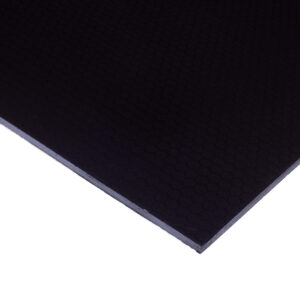
75-149 150+ £29.95£35.94 £28.41£34.09 6.5mm Eucalyptus Core Dark Brown Hexagon Pattern Anti Slip Phenolic Faced Film Plywood 2440mm X 1220mm (8′ X 4′) FSC®
6.5mm Anti-Slip Hexagon Pattern Mesh Eucalyptus Core Phenolic Resin Hardwood Plywood is designed and manufactured especially for internal & external applications, has an anti-slip mesh pattern on one side and a smooth film face finish on the other side. 6.5mm Hexa phenolic mesh plywood sheets have been manufactured to high standards, making them resistant to corrosion and moisture. Edges of this board are sealed.
£30.88£37.06 Ex VATInc VAT Add to cart -
Buy in Bulk & Save
45-89 90+ £80.09£96.11 £75.87£91.04 6.5mm Lacquered Birch Plywood Throughout BB/BB 2440mm x 1220mm (8′ x 4′)
High quality 6.5mm birch plywood with a factory applied decorative lacquer that’s saving your time. Ready-to-use lacquered birch plywood with smooth surface to work on your furniture, interior walls, ceilings and more applications.
£84.30£101.16 Ex VATInc VAT Add to cart -
Buy in Bulk & Save
55-109 110+ £35.33£42.40 £34.33£41.20 There are 2 more images8mm Flexible Plywood Cross Grain 1220mm x 2440mm (4′ x 8′)
A cross-grain design means that the grain pattern goes across the sheet, and the short edge of the sheet bends to join with the short edge.
This flexible plywood panel is commonly called bendy plywood or flexibly, and is used extensively in furniture and shopfitting, wherever curves are desirable, thus demanding a panel that is extremely flexible.
£36.33£43.60 Ex VATInc VAT Add to cart -
Buy in Bulk & Save
55-109 110+ £34.15£40.98 £32.36£38.83 There are 2 more images8mm Flexible Plywood Long Grain 2440mm x 1220mm (8′ x 4′)
This flexible plywood panel is commonly called bendy plywood or flexibly, and is used extensively in furniture and shopfitting, wherever curves are desirable, thus demanding a panel that is extremely flexible.
£35.95£43.14 Ex VATInc VAT Add to cart